Skip to content

July 28
in history

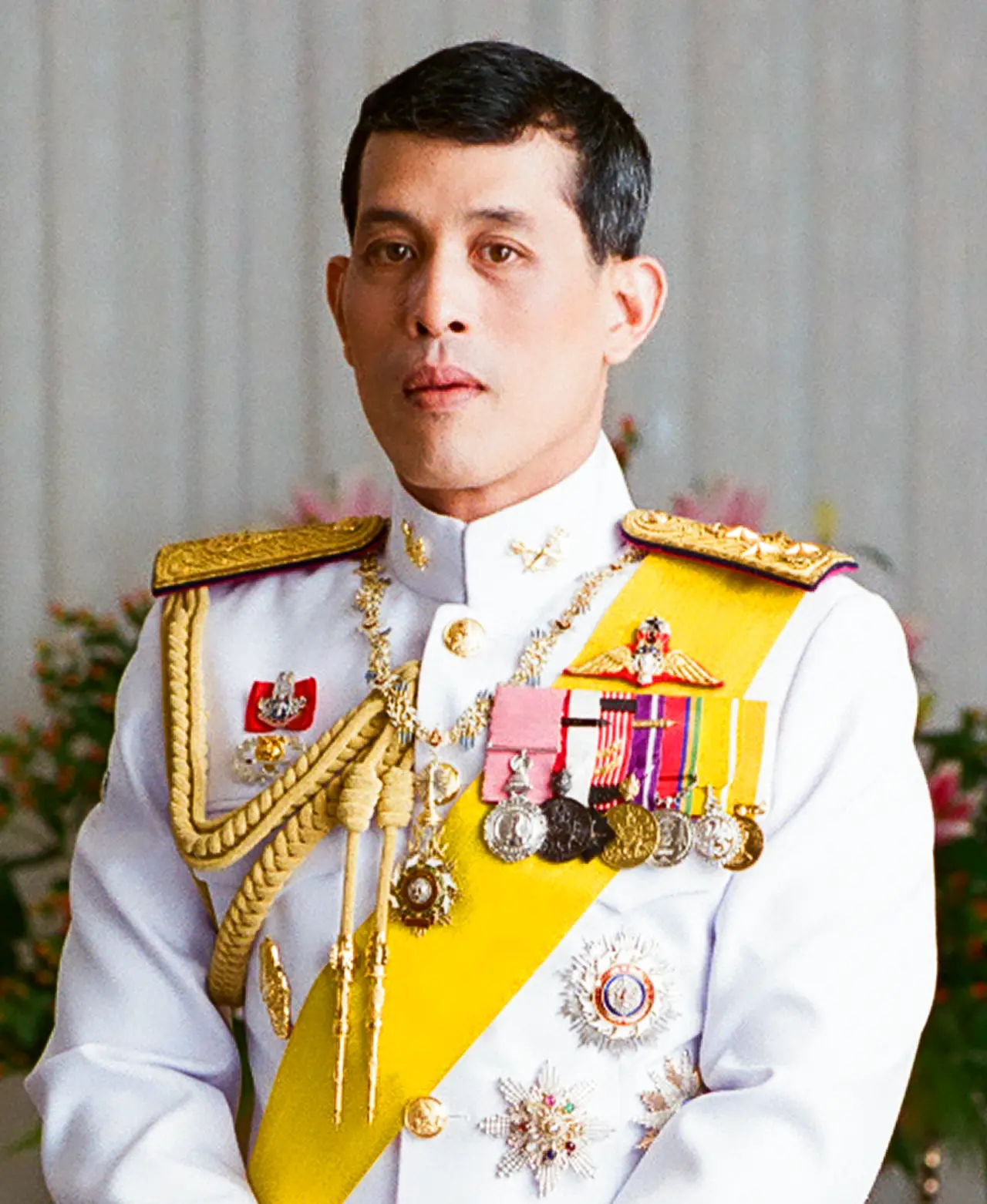
Johnson orders US troop numbers in South Vietnam raised (1965), and Austria-Hungary declares war on Serbia (1914). Born on this day: Hugo Chávez, Vajiralongkorn and Karl Popper. Died: Johann Sebastian Bach, Antonio Vivaldi and Francis Crick.

32 events, 70 births and 71 deaths on this date.

1965

Johnson orders US troop numbers in South Vietnam raised

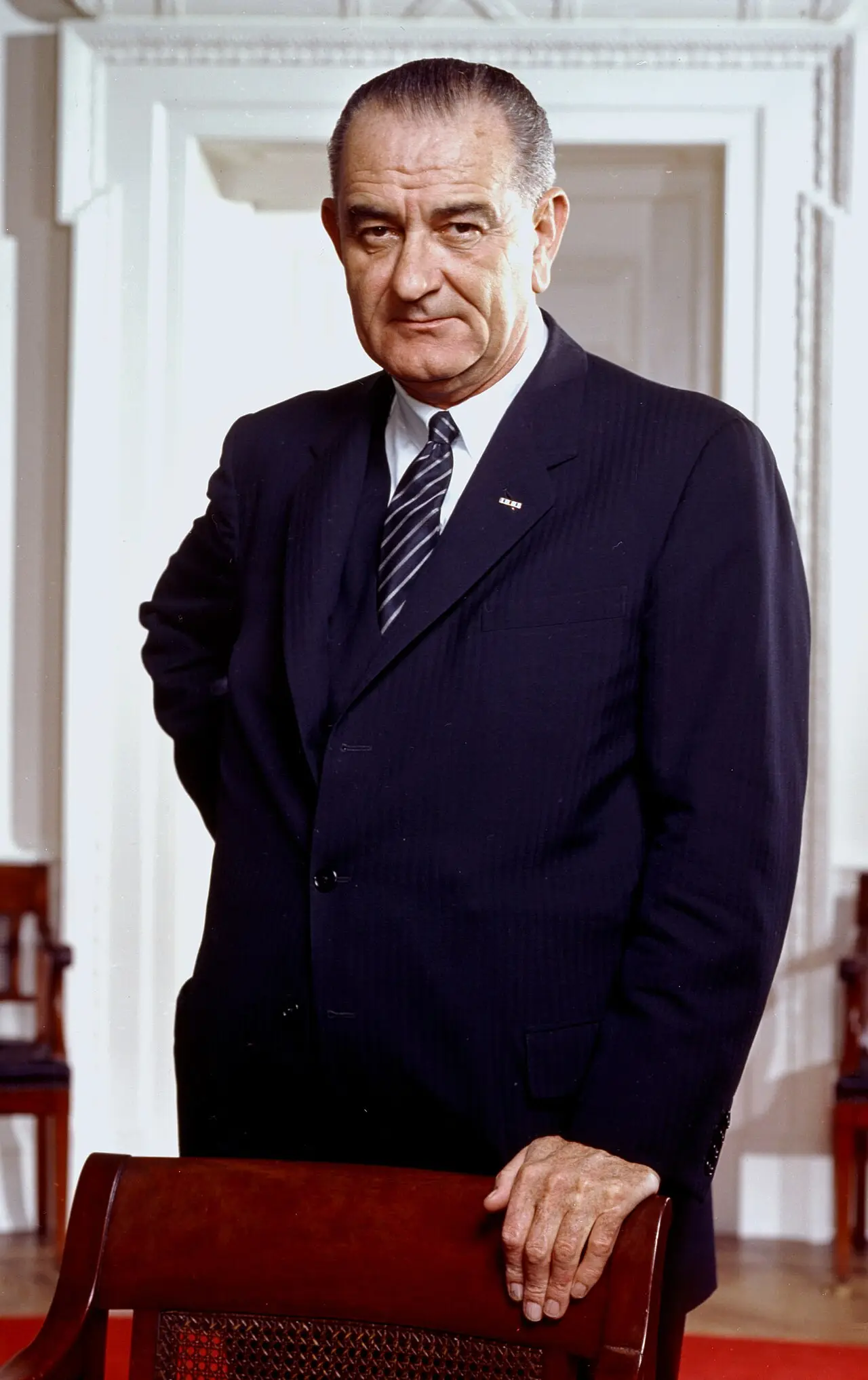
President Lyndon B. Johnson announced he would expand the American force in South Vietnam by 50,000 soldiers, a major step in the escalation of the Vietnam War. The decision marked a turning point in the conflict and in American involvement abroad.

Arnold Newman · Public domain

Events

  1. 1914

    Austria-Hungary declares war on Serbia

    Austria-Hungary's declaration of war on Serbia, a month after Archduke Franz Ferdinand's assassination, set off a chain of alliances that drew much of Europe into the conflict. The fighting that followed became the First World War, which killed between 15 and 22 million people.

  2. 1896

    Miami is incorporated as a city in Florida

    The settlement on Biscayne Bay was formally made a city, a step that set the stage for its growth into a major financial and cultural hub. Its origins lie in a small community that grew around the railway built by Henry Flagler.

  3. 1996

    Prehistoric remains found near Kennewick, Washington

    Human remains found on the bank of the Columbia River in Washington State turned out to be some 9,000 years old. The find, later called Kennewick Man, sparked a long legal and scientific dispute over who should study and keep them.

  4. 1778

    Cantabria's constitution is ratified at Bárcena la Puente

    The province's first constitution was approved at the Assembly Hall in Reocín, setting out how the region would be governed. Cantabria still marks the day each year as the Day of the Institutions.

  5. 1540

    Henry VIII marries Catherine Howard, his fifth wife

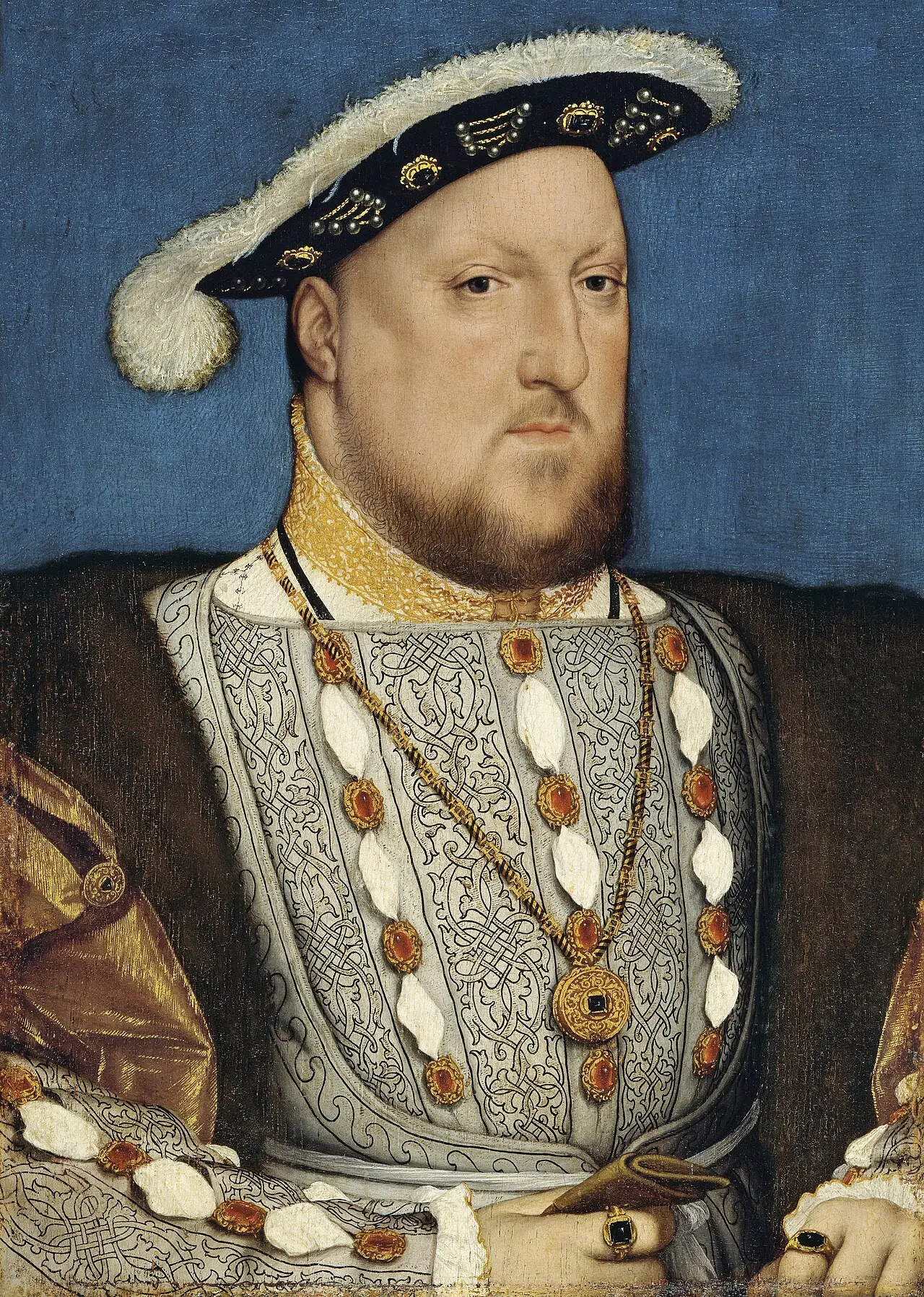
    Henry took Catherine Howard as his fifth wife, one of six marriages he is remembered for. He later ordered her beheaded, the second of his wives to die that way.

    Hans Holbein the Younger · Public domain
  6. 1794

    Maximilien Robespierre is executed without trial in Paris

    In the app
  7. 1808

    Mahmud II becomes Sultan of the Ottoman Empire and Caliph of Islam

    In the app
  8. 484

    Rome excommunicates Patriarch Acacius over the Henoticon

    In the app

26 more events on July 28

For the full day, download Chunks today. Every date, the stories behind them, and a new day each morning. Free to start.

Born on July 28

67 more in the app
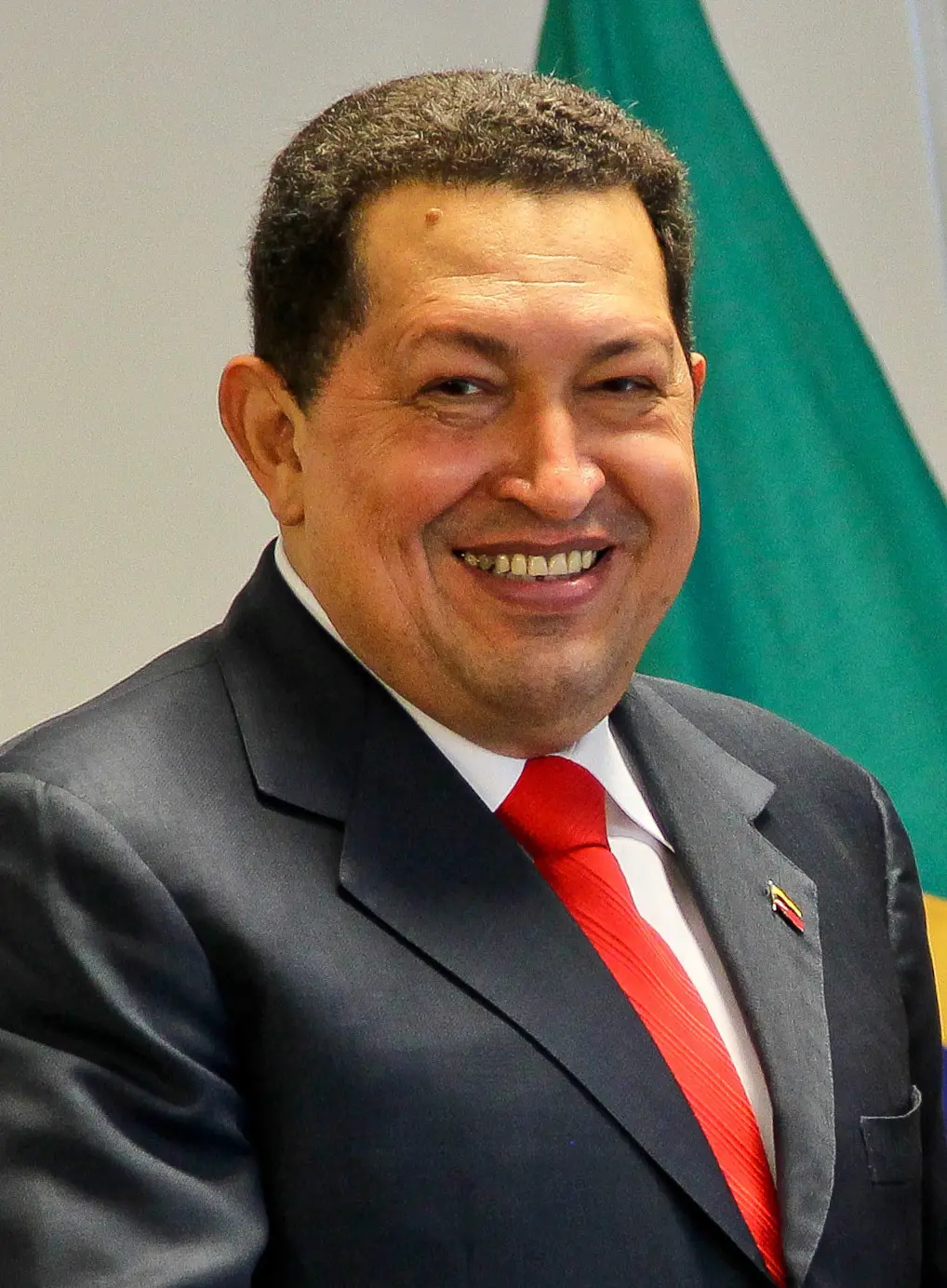
  • Hugo Chávez
    1954 – 2013 · Politician

    Hugo Chávez

    Hugo Chávez was a military officer who became president of Venezuela in 1999 and led the Bolivarian revolution, reshaping the country's politics. He ruled until his death in 2013, and his ideas gave rise to the movement known as Chavismo.

    Roberto Stuckert Filho · CC BY-SA 2.0
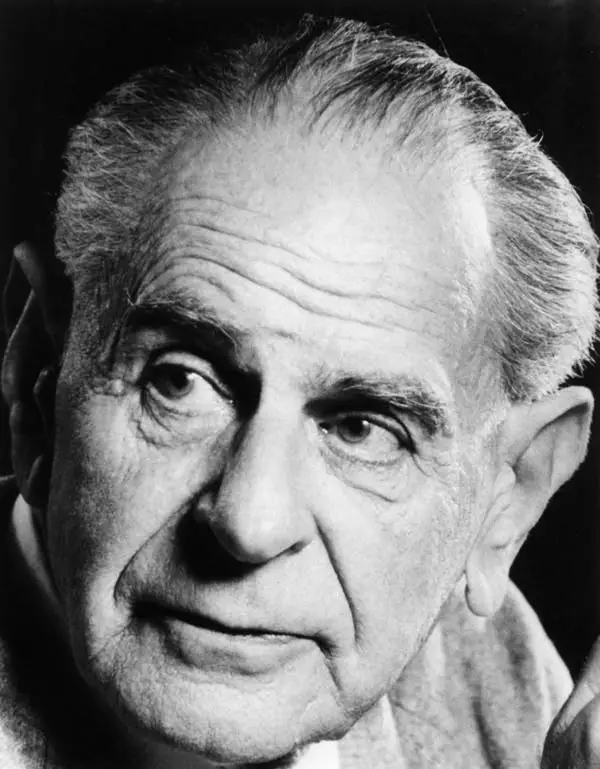
  • Karl Popper
    1902 – 1994 · Philosopher

    Karl Popper

    Austrian-British philosopher who argued that scientific theories can never be proven, only falsified. He also defended open societies against totalitarian ideas, and helped found the philosophy department at the London School of Economics.

    Franz Barta · No restrictions

Died on July 28

68 more in the app
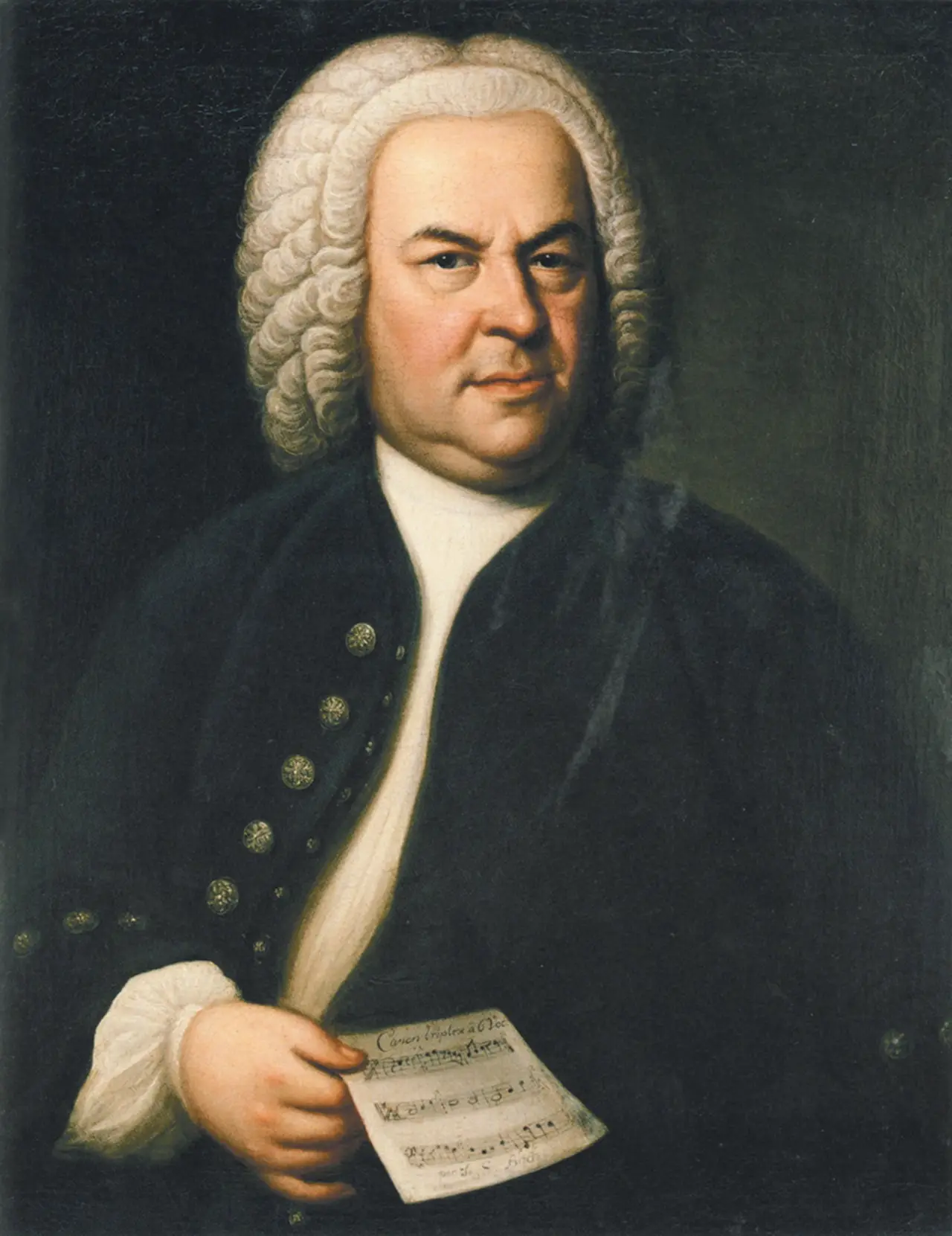
  • Johann Sebastian Bach
    1685 – 1750 · Composer

    Johann Sebastian Bach

    Johann Sebastian Bach composed the Brandenburg Concertos, the Goldberg Variations and the St Matthew Passion, and is remembered for his mastery of counterpoint. A 1829 performance of the St Matthew Passion by Felix Mendelssohn helped start a revival of his reputation.

    Elias Gottlob Haussmann · Public domain
  • Antonio Vivaldi
    1678 – 1741 · Composer

    Antonio Vivaldi

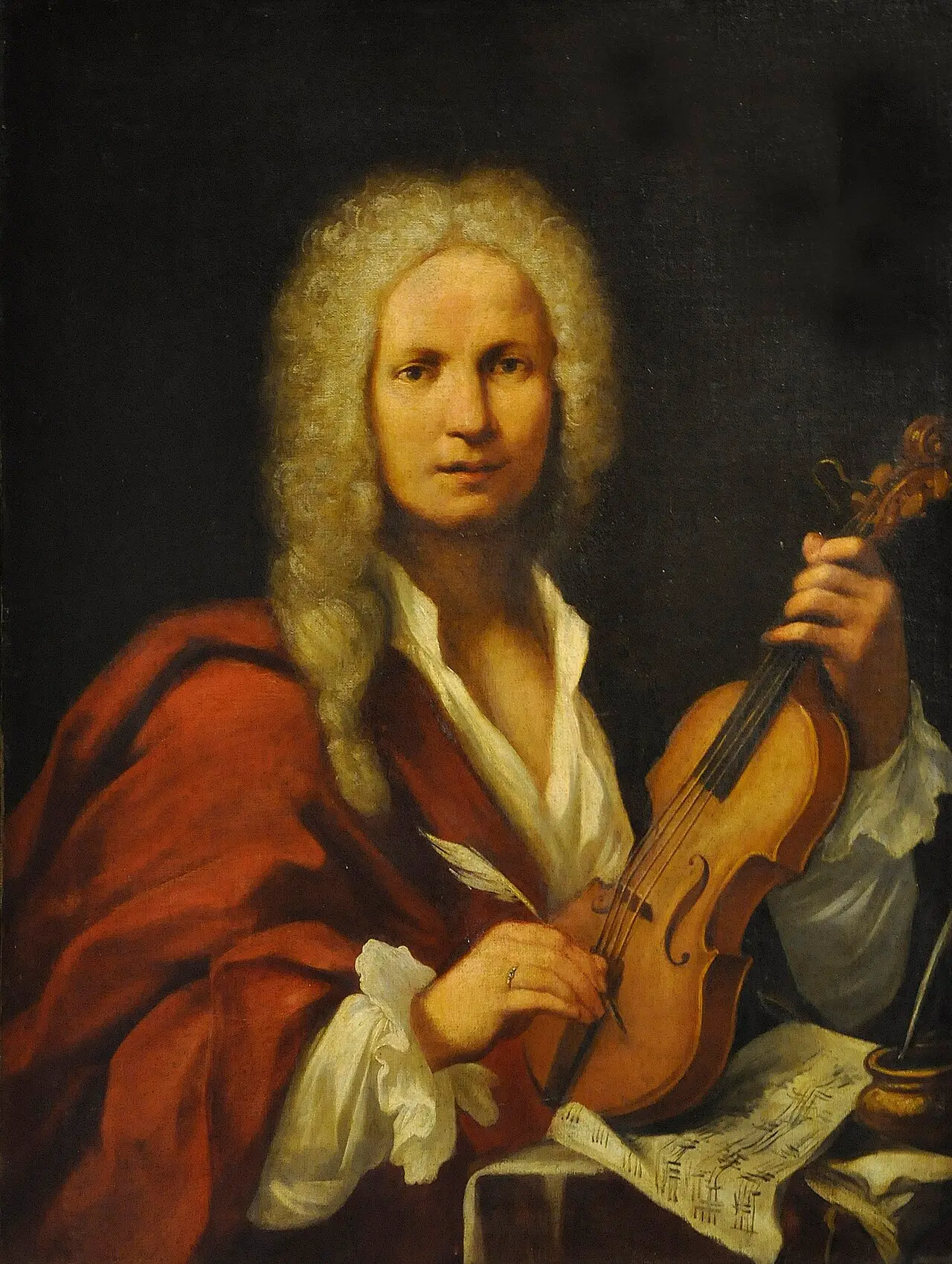
    Vivaldi wrote The Four Seasons, a set of violin concertos that remains among the most played works of the Baroque era. He had moved to Vienna hoping for the backing of Emperor Charles VI, who died soon after Vivaldi arrived there.

    Unknown author Unknown author · Public domain
  • Francis Crick
    1916 – 2004 · Biologist

    Francis Crick

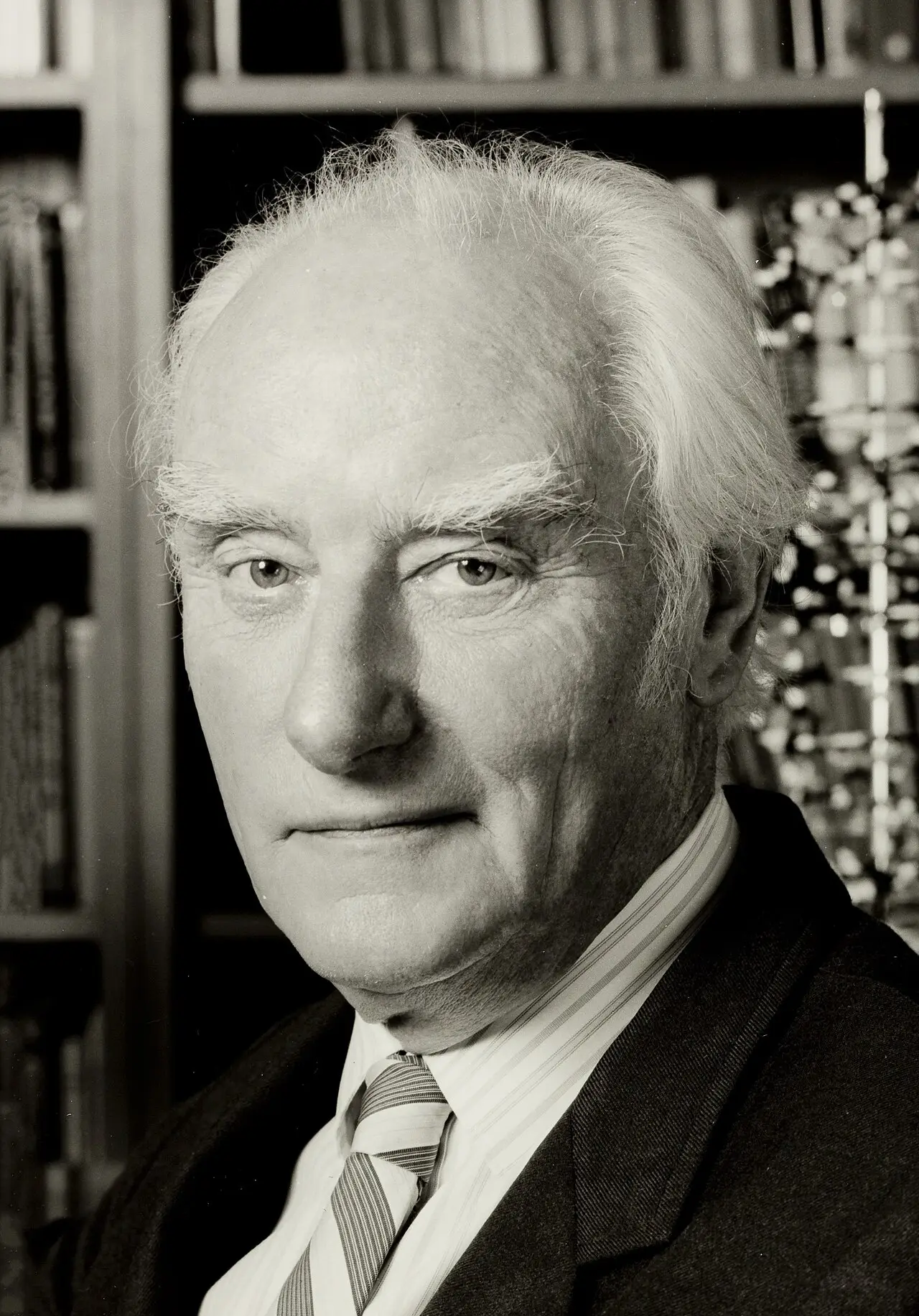
    Crick co-discovered the double helix structure of DNA with James Watson in 1953, and later coined the term "central dogma" for how genetic information flows. He spent his final decades studying consciousness at the Salk Institute in California.

    Unknown author Unknown author · CC BY 4.0

Explore another day

Every date of the year has its own page. Try your birthday.