Skip to content

July 16
in history

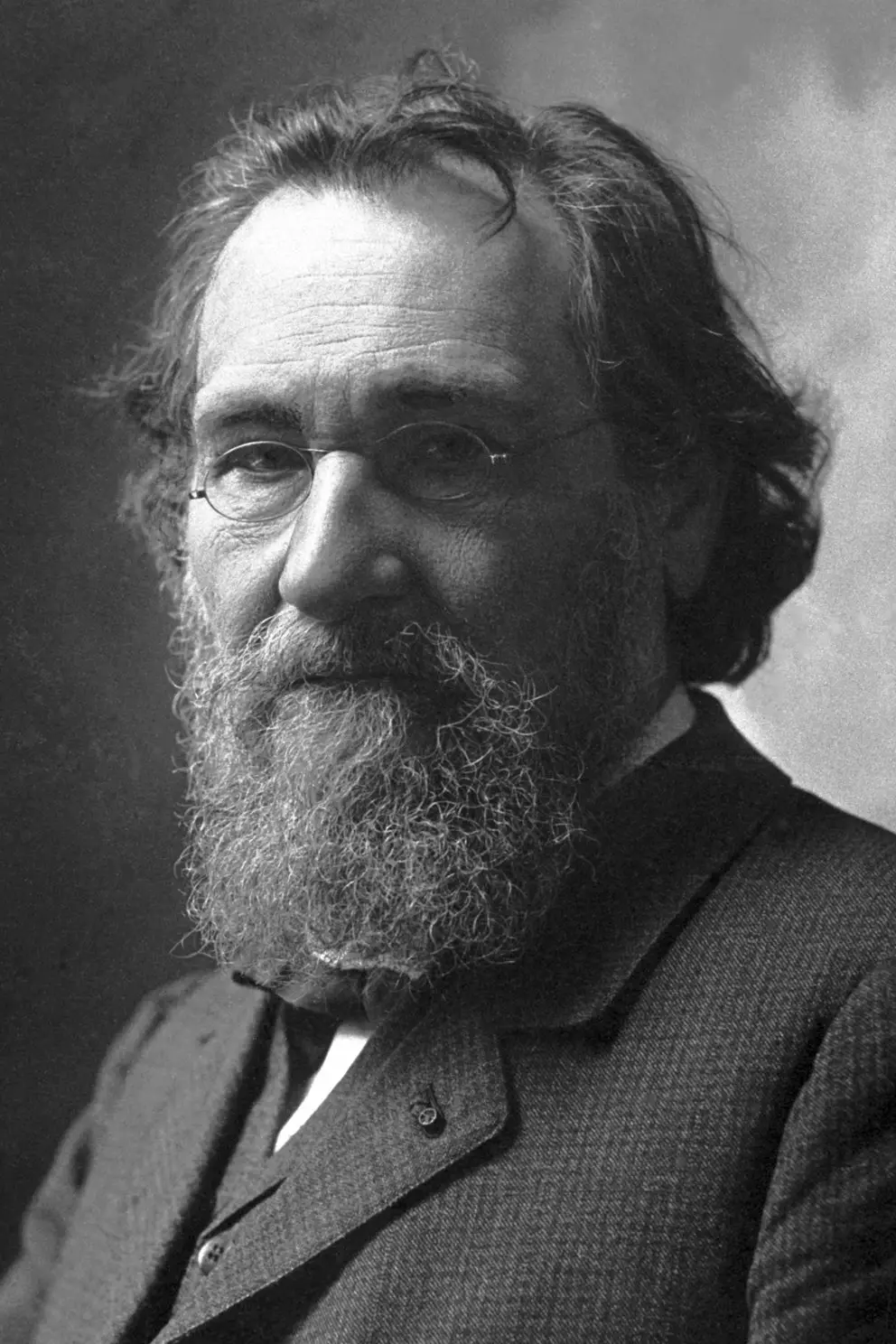
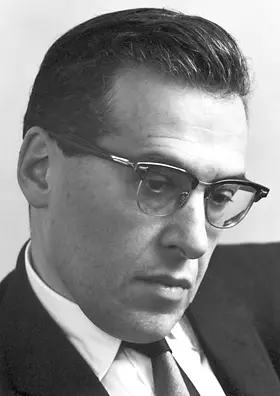
Cartier returns to St Malo from St Lawrence voyage (1536), and George Washington signs Residence Act choosing Potomac capital site (1790). Born on this day: Roald Amundsen, Trygve Lie and Barbara Stanwyck. Died: Heinrich Böll, Élie Metchnikoff and Julian Seymour Schwinger.

32 events, 62 births and 50 deaths on this date.

1536

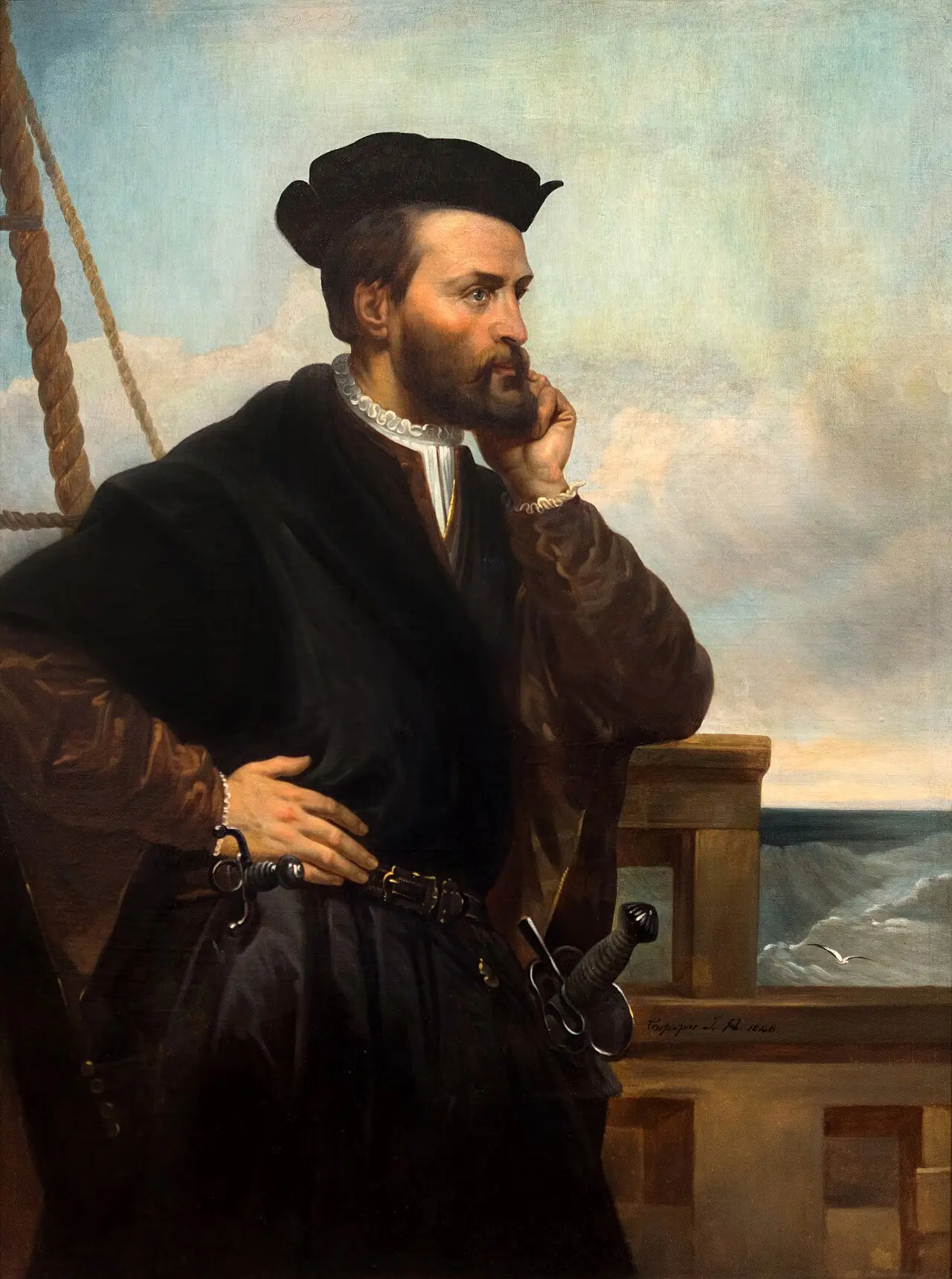
Cartier returns to St Malo from St Lawrence voyage

Breton navigator Jacques Cartier arrived home in St Malo after mapping the Gulf of St Lawrence and visiting the Iroquoian settlements of Stadacona and Hochelaga. The trip gave France a claim to the river region, and the name Canada came from local Iroquoian words.

Théophile Hamel / After François Nicholas Riss · CC BY-SA 4.0
Events

  1. 1790

    George Washington signs Residence Act choosing Potomac capital site

    Washington signed the law choosing a permanent capital on the Potomac, a site that would later bear his name. Carved from land in Maryland and Virginia, the district is treated as the city's founding.

  2. 1861

    Union troops march into Virginia toward first major battle of the Civil War

    On Lincoln's orders, Union soldiers set off on a 25-mile advance into Virginia. The move led to the Battle of Bull Run, the first large land fight of the war.

  3. 1809

    La Paz declares independence from Spain

    Rebels in La Paz, in today's Bolivia, set up the Junta Tuitiva under Pedro Domingo Murillo, the first self-governing body of its kind in Spanish America. The break from Spain made it a landmark in the wider struggle for independence across South America.

  4. 1969

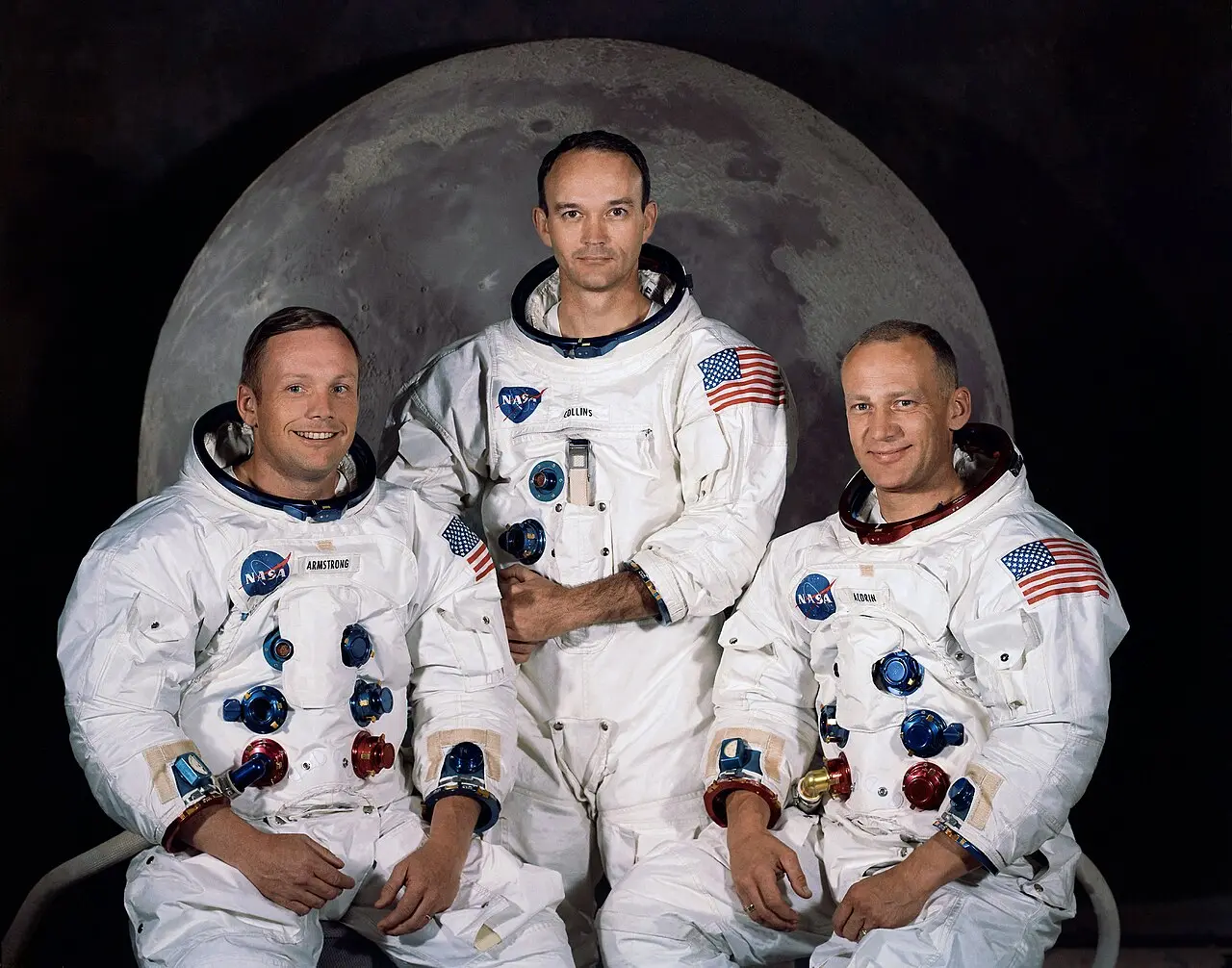
    Apollo 11 lands the first humans on the Moon

    Neil Armstrong and Buzz Aldrin landed the lunar module Eagle in the Sea of Tranquility, and Armstrong became the first person to step onto the Moon. Their mission, the culmination of the Space Race, ended with a safe splashdown in the Pacific four days later.

    NASA · Public domain
  5. 1931

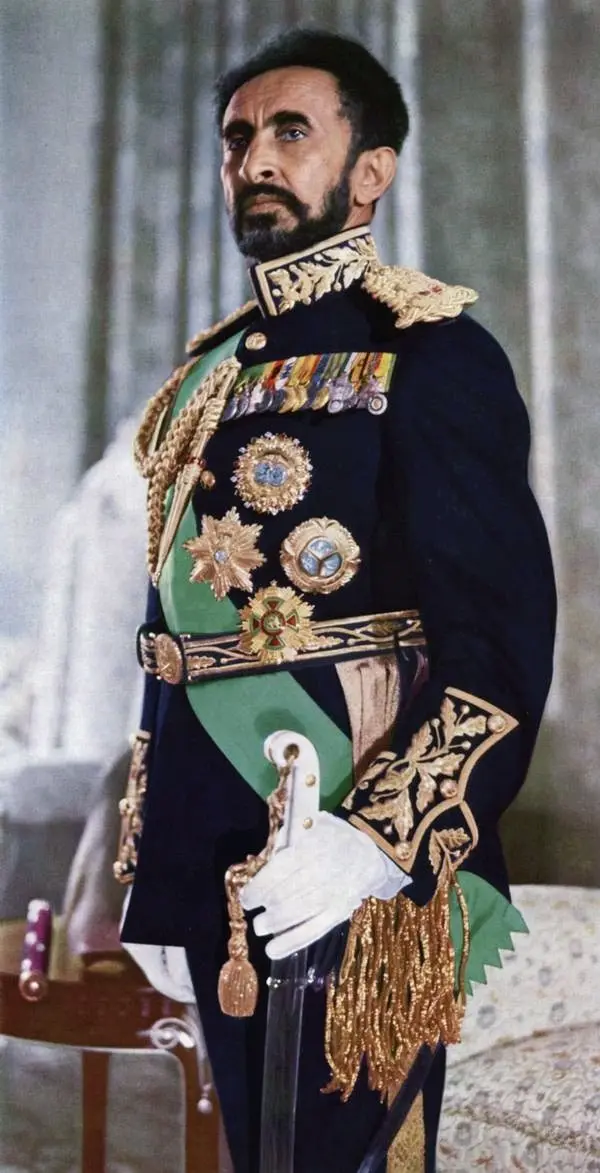
    Haile Selassie promulgates Ethiopia's first modern constitution

    Emperor Haile Selassie issued Ethiopia's first modern written constitution, a step in his effort to modernise the empire's government. It set out a parliament and limits on the monarchy, though real power stayed firmly with the emperor.

    unknown; according to [1] and [2] an official portrait of which b/w copies were distributed by the Ethiopian government · Public domain
  6. 1661

    Stockholms Banco issues Europe's first banknotes

    In the app
  7. 622

    Muhammad leaves Mecca for Medina, starting the Hijrah

    In the app
  8. 1951

    Publication of J.D. Salinger's The Catcher in the Rye

    In the app

26 more events on July 16

For the full day, download Chunks today. Every date, the stories behind them, and a new day each morning. Free to start.

Born on July 16

59 more in the app
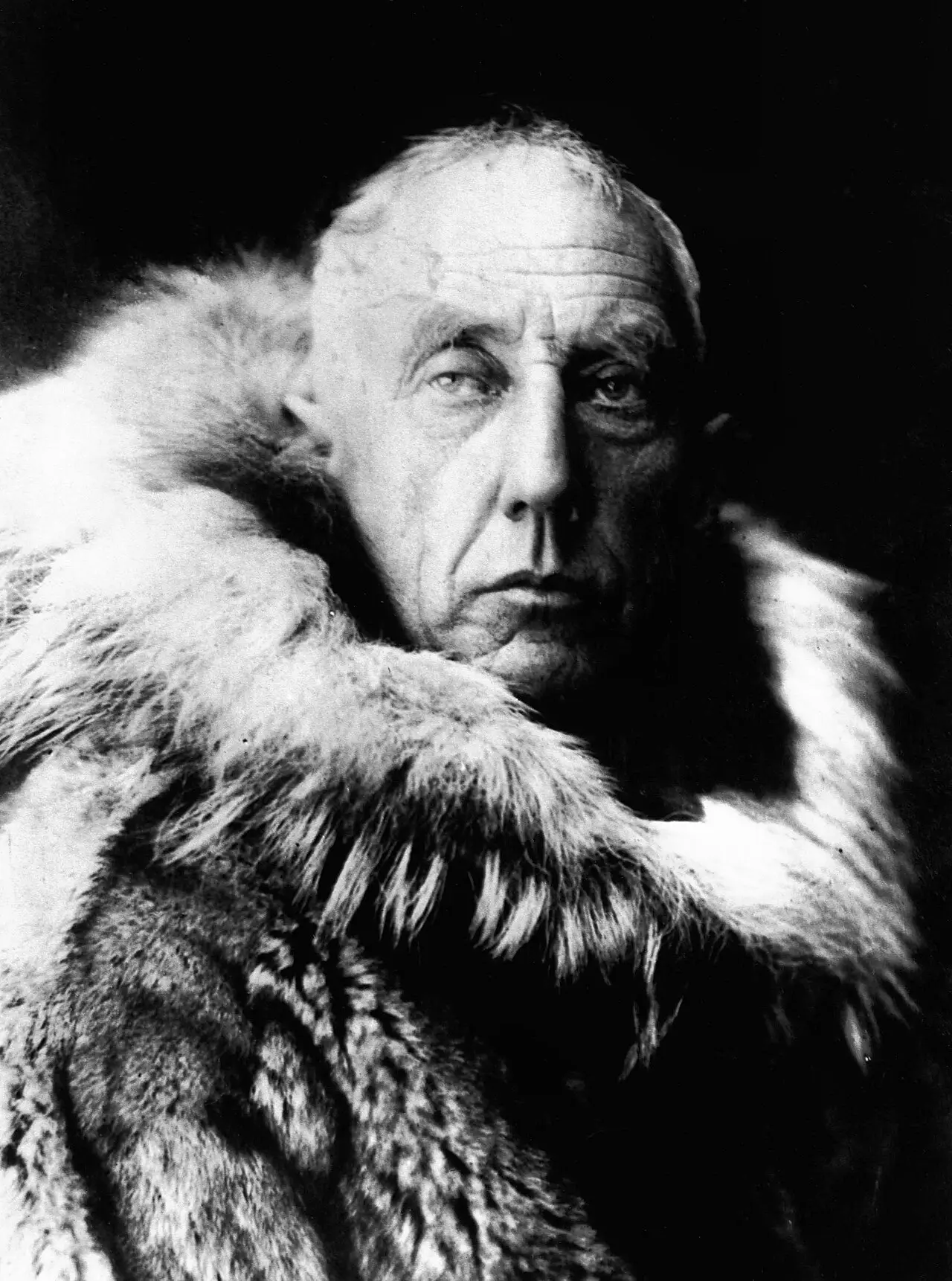
  • Roald Amundsen
    1872 – 1928 · Explorer

    Roald Amundsen

    Norwegian explorer who led the first team to reach the South Pole, in December 1911, beating Robert Falcon Scott by about five weeks. He later became the first verified person to reach the North Pole, by airship, in 1926.

    Anonymous Unknown author · Public domain
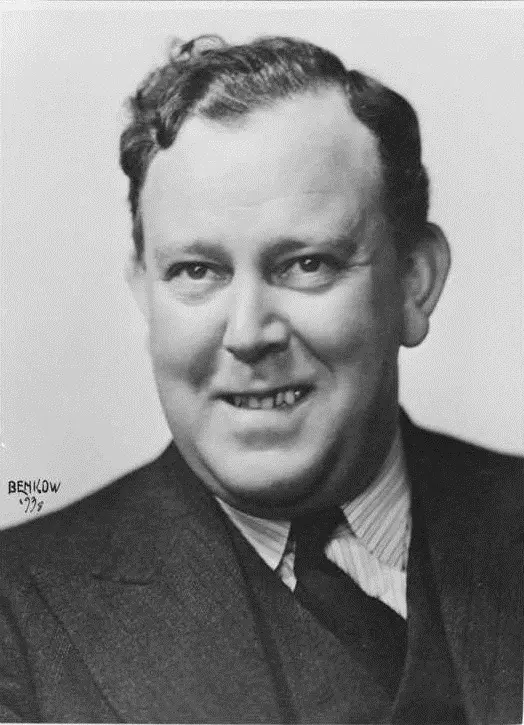
  • Trygve Lie
    1896 – 1968 · Politician

    Trygve Lie

    Norwegian politician and jurist who became the United Nations' first leader in 1946, guiding the young organisation through its earliest years. Earlier, he served as foreign minister for Norway's government in exile in London during the Second World War.

    atelier Benkow · CC BY-SA 3.0
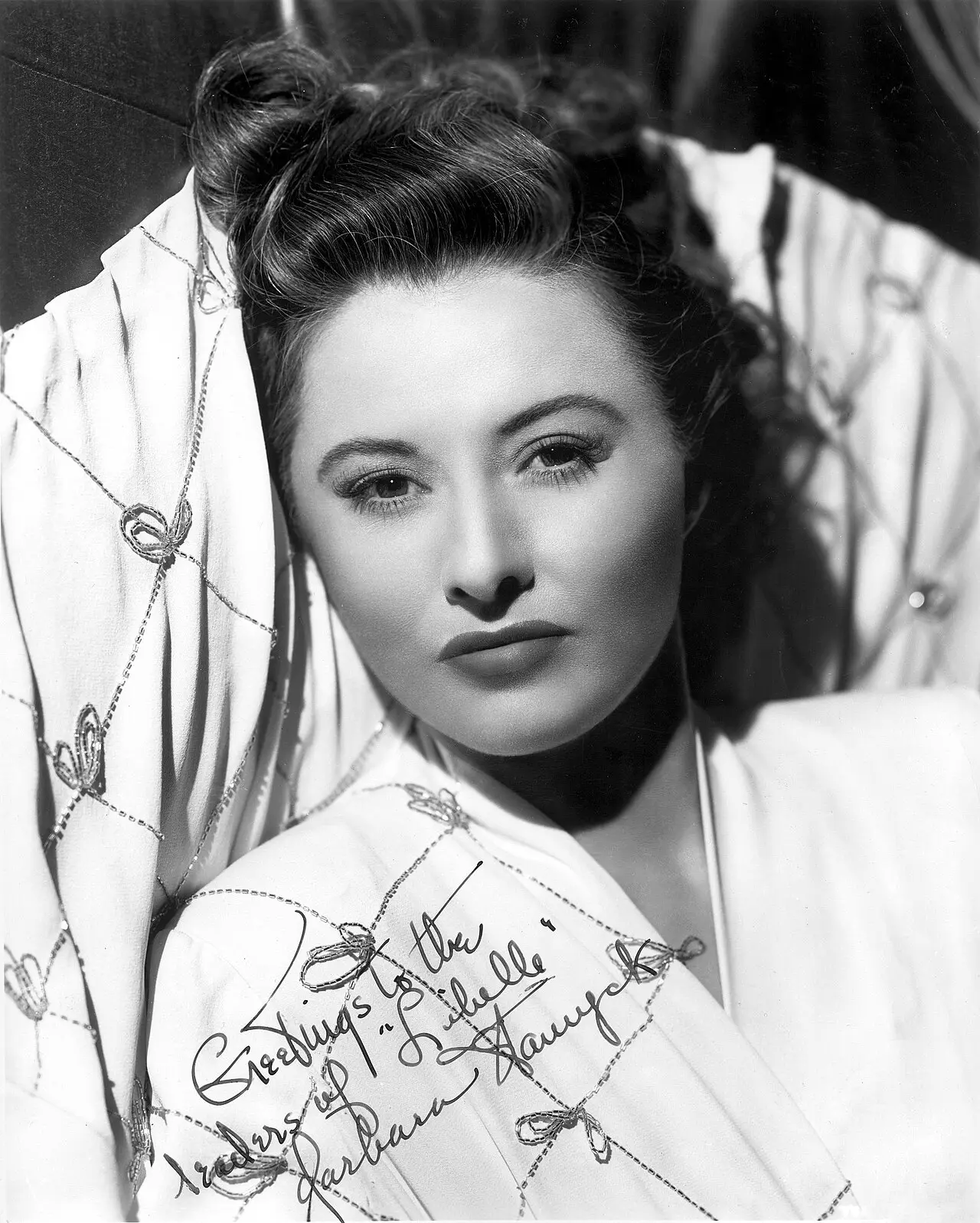
  • Barbara Stanwyck
    1907 – 1990 · Television actor

    Barbara Stanwyck

    American actress and dancer who spent six decades on stage, in film and on television, known for her realistic screen presence. Directors including Frank Capra and Cecil B. DeMille prized her, and she was nominated for four Academy Awards.

    Unknown author Unknown author · Public domain

Died on July 16

47 more in the app
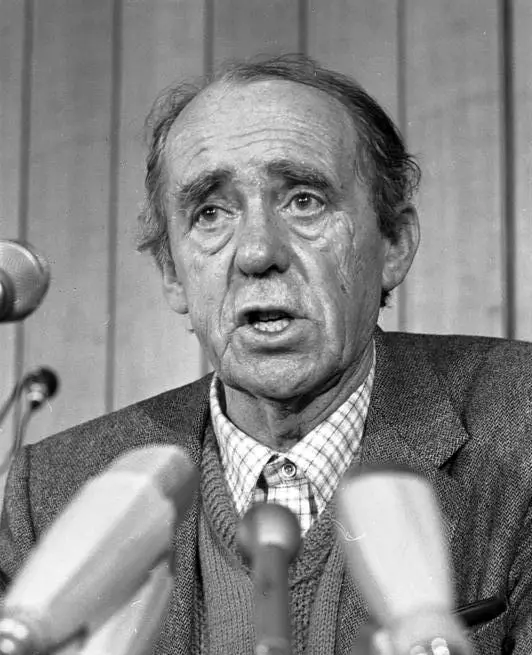
  • Heinrich Böll
    1917 – 1985 · Lyricist

    Heinrich Böll

    Heinrich Böll was a German writer who won the Nobel Prize for Literature in 1972. He is remembered as one of Germany's most important post-war novelists, known for works that confronted the country's wartime past.

    Hoffmann, Harald · CC BY-SA 3.0 de
  • Élie Metchnikoff
    1845 – 1916 · Biologist

    Élie Metchnikoff

    The Russian Empire zoologist who discovered that certain immune cells engulf invading microbes, a finding that became the foundation of modern immunology. He shared the 1908 Nobel Prize in Physiology or Medicine with Paul Ehrlich.

    Nadar · Public domain
  • Julian Seymour Schwinger
    1918 – 1994 · University teacher

    Julian Seymour Schwinger

    Julian Schwinger was an American theoretical physicist who shared the 1965 Nobel Prize in Physics for reworking quantum electrodynamics, the theory of how light and electrons interact. His equations and methods remain standard tools in modern particle physics.

    Nobel foundation · Public domain

Explore another day

Every date of the year has its own page. Try your birthday.