
Podcast
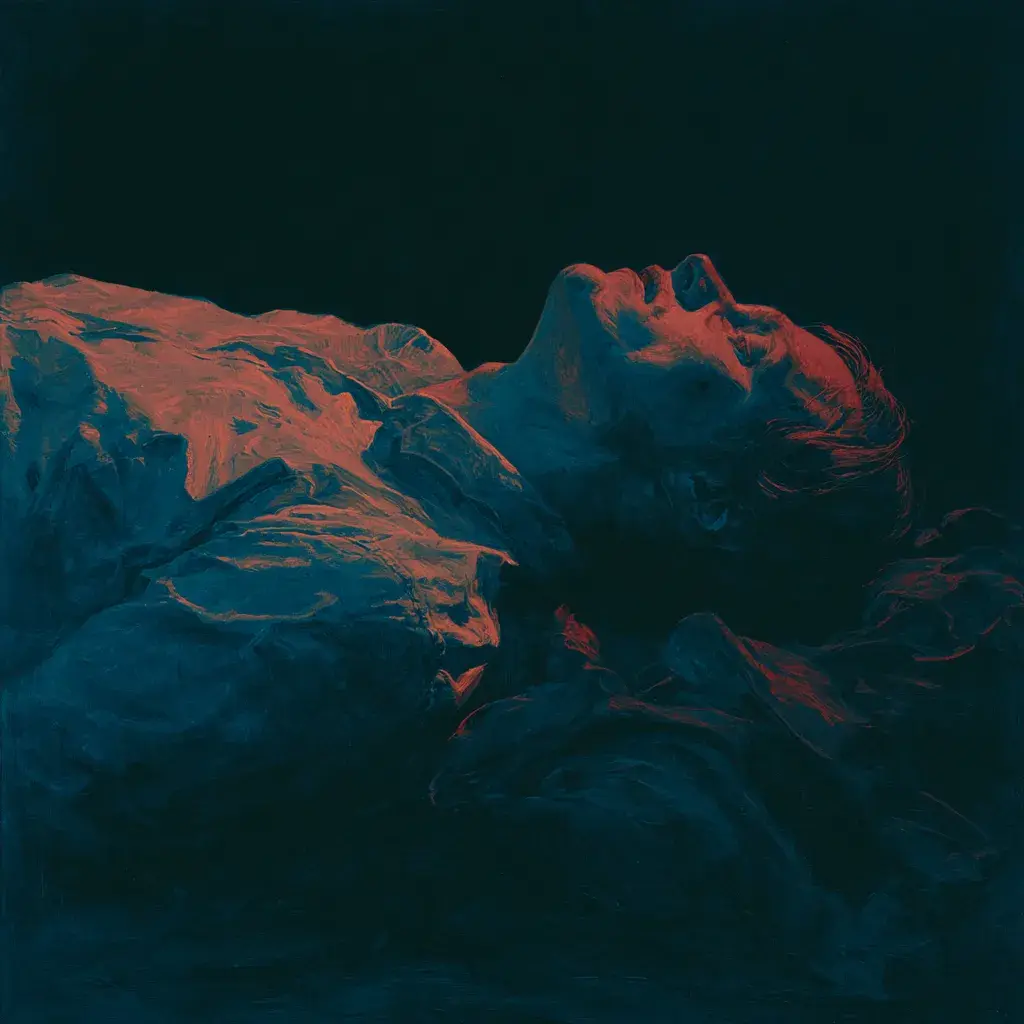
The Biological Mechanics of Human Sleep
From circadian rhythms and sleep cycles to the chemistry of dreams and memory, discover how your body repairs, resets and recharges each night, and why this nightly ritual is essential to your health, mind, and survival.
1:00
60-second preview · Full episode (45:28) in the app
Related stories
 Sigmund Freud: The Man Who Mapped the MindSigmund Freud, the Viennese doctor who invented psychoanalysis, from the 'talking cure' to his flight from the Nazis to London.
 ArchimedesDiscover how Archimedes moved ships with pulleys, calculated pi with 96-sided shapes, and defended Syracuse.
 Henrietta Leavitt's Cosmic YardstickHow a quiet astronomer cataloging stars on photographic plates created a tool that measured the universe and changed astronomy forever.
 The Formation of the Grand CanyonHow the Grand Canyon formed: nearly two billion years of rock, a rising plateau and the Colorado River cutting down through it.
 The San Andreas Fault: California's Sleeping GiantThe San Andreas Fault, the boundary where two tectonic plates grind past each other beneath California, and why scientists expect another big earthquake.
 Synesthesia: Tasting Colors, Seeing SoundsThe neurological phenomenon where stimulating one sense triggers another, affecting 1 in 23 people with experiences like seeing sounds as color.
 Frances Kelsey and ThalidomideThe FDA reviewer who refused to approve thalidomide in 1960, preventing a U.S. tragedy and changing drug laws forever.
 Black HolesExplore black holes, from their prediction by Karl Schwarzschild on WWI front lines to the first-ever photo of M87*’s event horizon.
 How Cats Domesticated ThemselvesHow wildcats became house cats, from 12,000-year-old origins in the Fertile Crescent to the truth of their self-domestication.
 The Boxing Day TsunamiHow the December 2004 Sumatra earthquake set off the deadliest tsunami on record, what happened from Aceh to Thailand and Somalia, and the Indian Ocean warning system built afterwards.
 Pavlov's DogsThe true story of Ivan Pavlov, who discovered classical conditioning while conducting Nobel-winning research on digestion.
 The Placebo EffectWhy a sugar pill can ease real pain: discover the science of the placebo effect, from the 1950s to the brain's chemistry.
Download the Chunks Microlearning app to explore more
 Download on iOS
 Download on Android