
Into the Cosmos
How we learned the size, age and strangeness of the universe, and how we first reached into it.
- space
- astronomy
- science
Some of the stories included
- Henrietta Leavitt's Cosmic YardstickHow a quiet astronomer cataloging stars on photographic plates created a tool that measured the universe and changed astronomy forever.
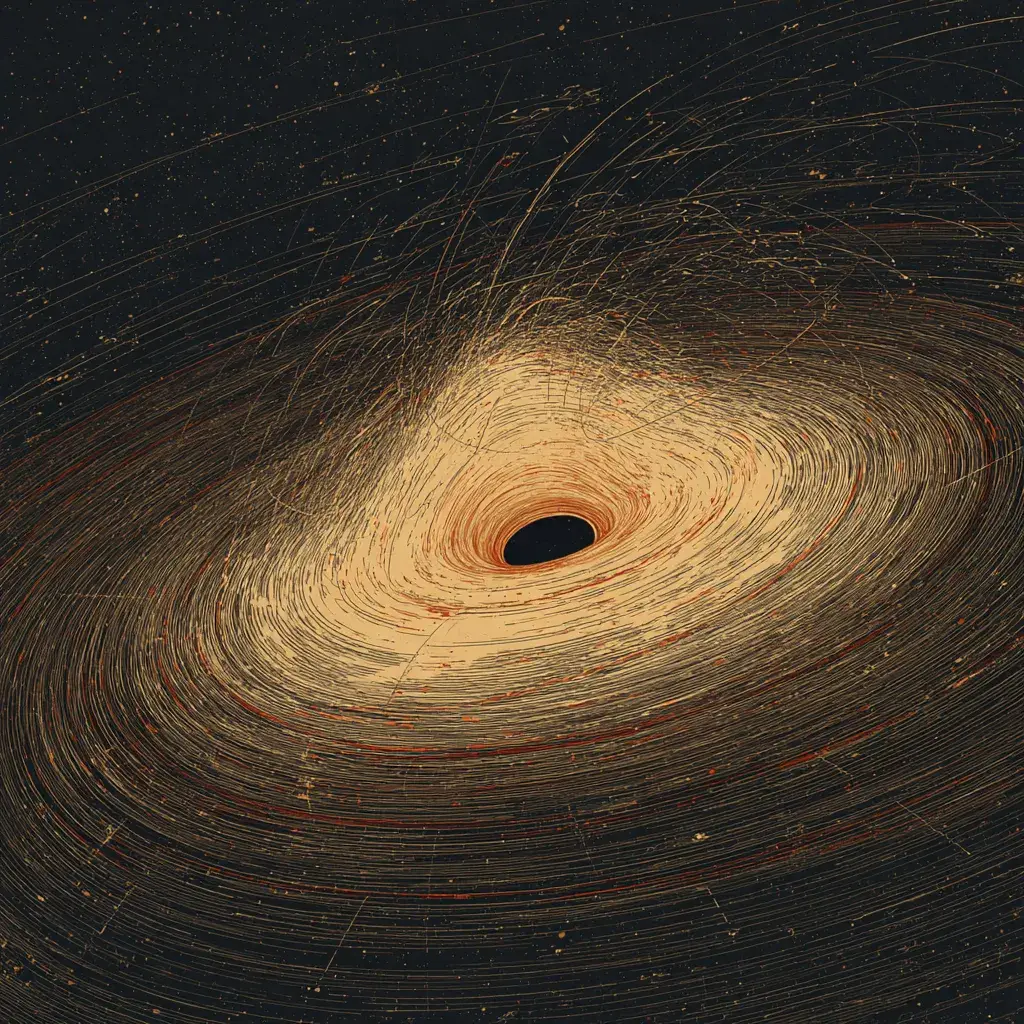 Black HolesExplore black holes, from their prediction by Karl Schwarzschild on WWI front lines to the first-ever photo of M87*’s event horizon.
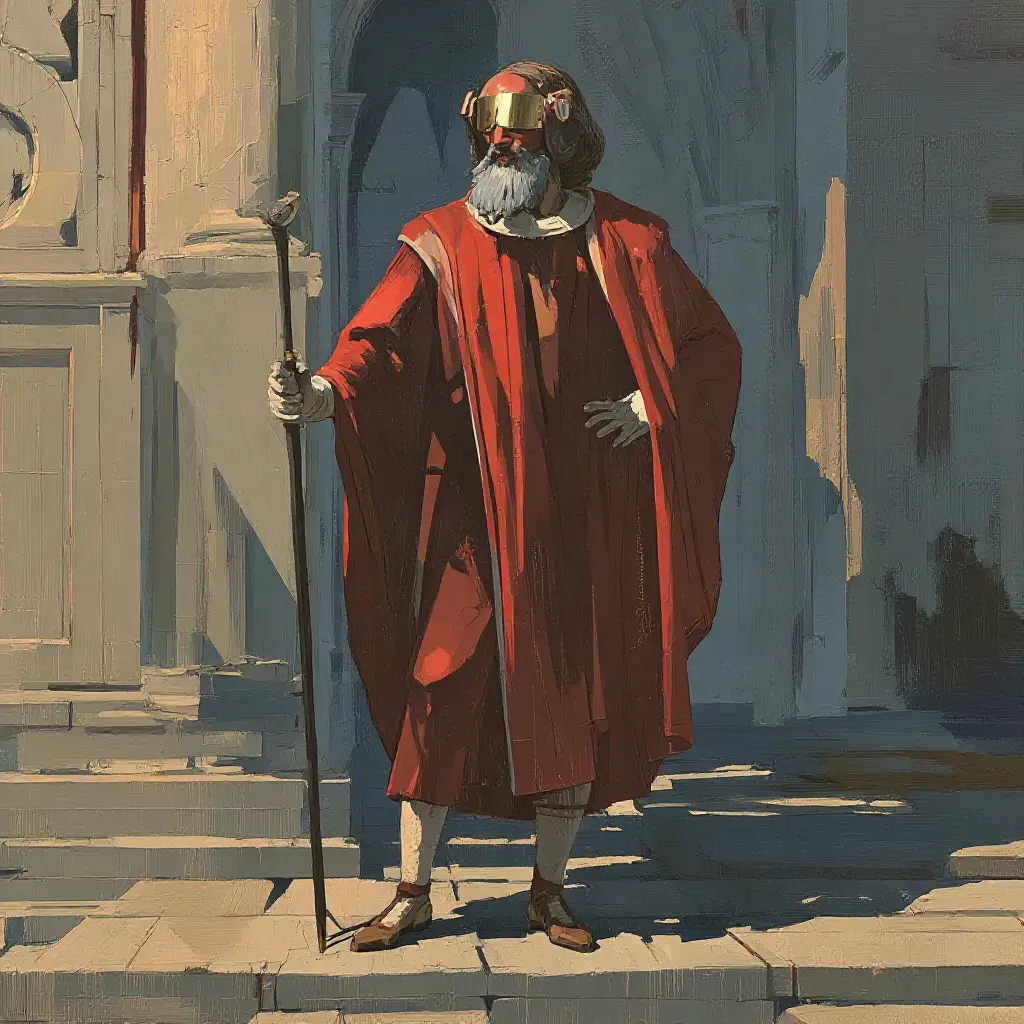 GalileoIn 1609, Galileo Galilei's telescope revealed a new cosmos, leading to a clash with the Church that would define an era of science.
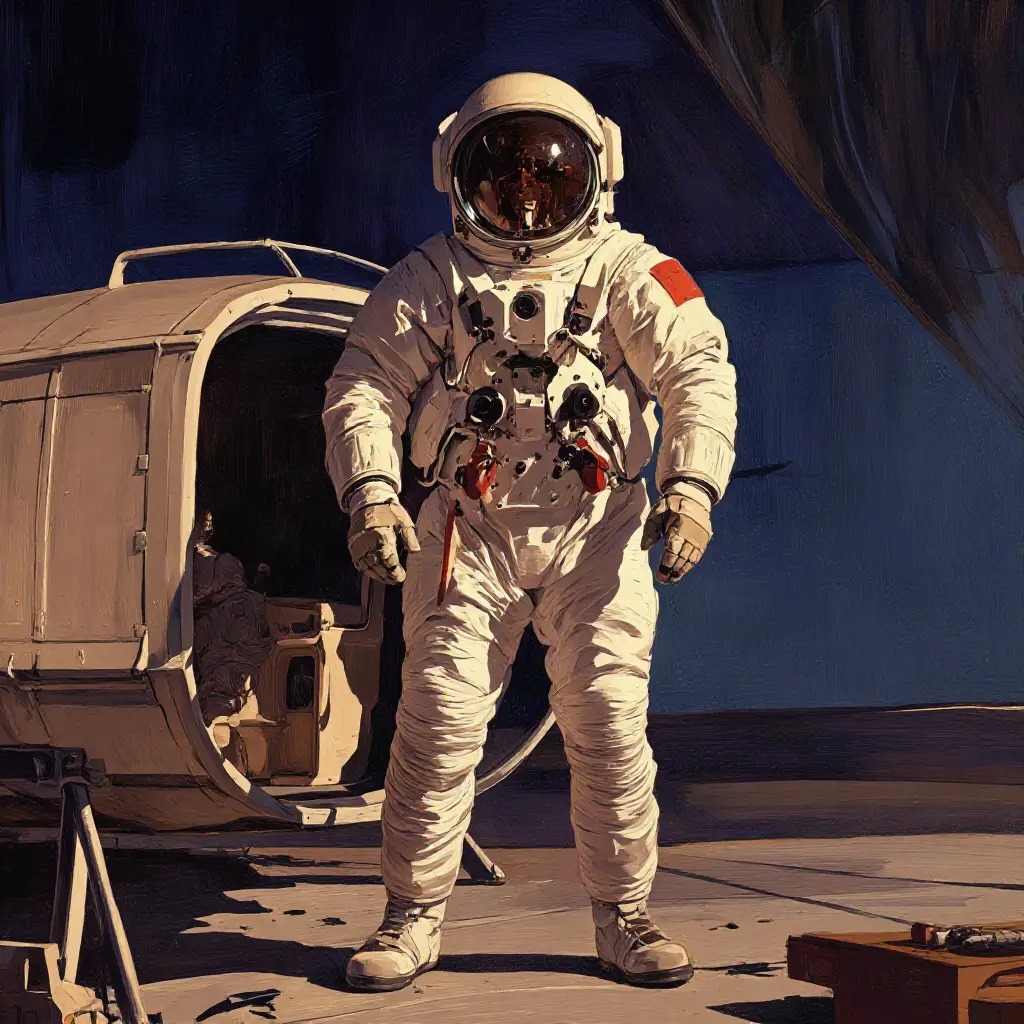 The 1202 Alarm: Margaret Hamilton Saves Apollo 11Five computer alarms and a fuel gauge running low: how Margaret Hamilton's software saved the first Moon landing.
 Katherine Johnson and the Apollo 11 TrajectoryThe career of NASA mathematician Katherine Johnson, who calculated flight paths for Alan Shepard, checked John Glenn's orbit and worked on Apollo trajectories and backup navigation.
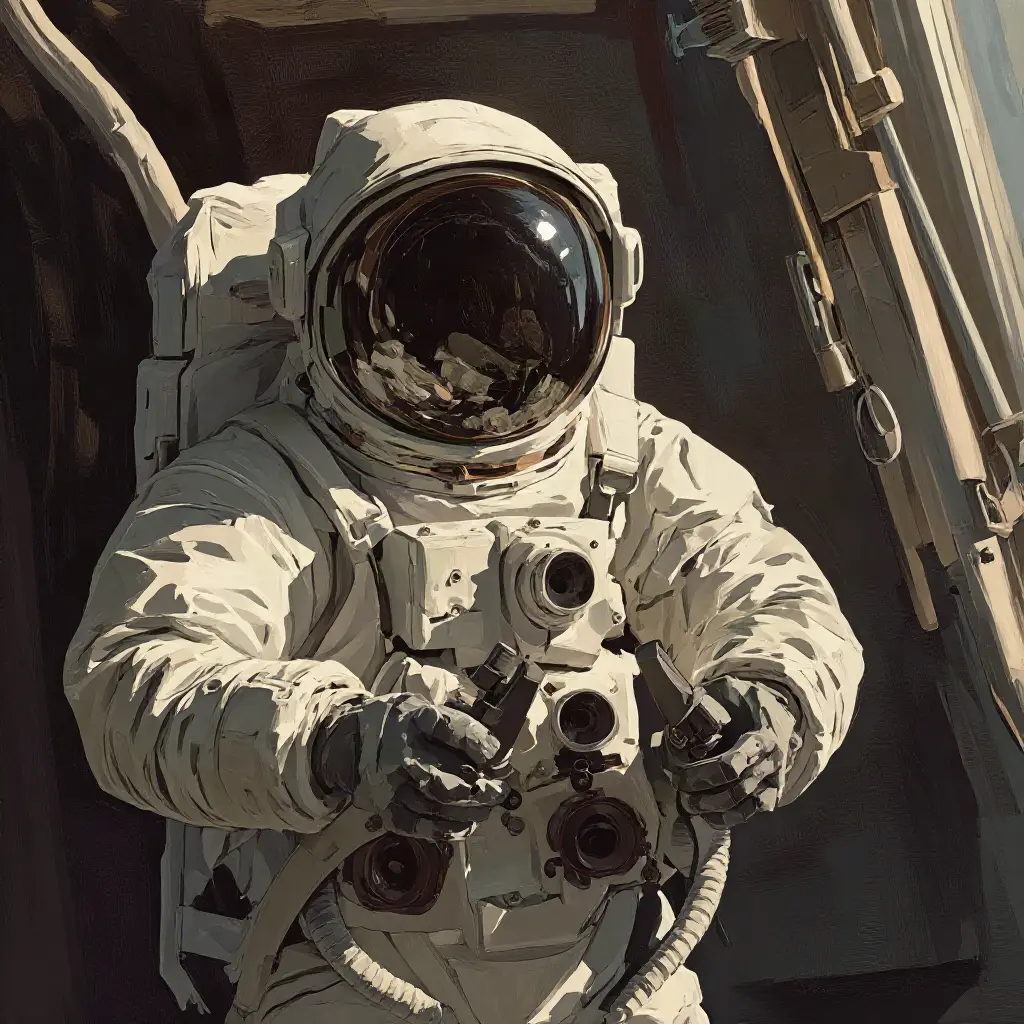 Apollo 13: A Successful FailureAn explosion 330,000 km from Earth turned Apollo 13 into a desperate, ingenious race against time to bring three astronauts home alive.
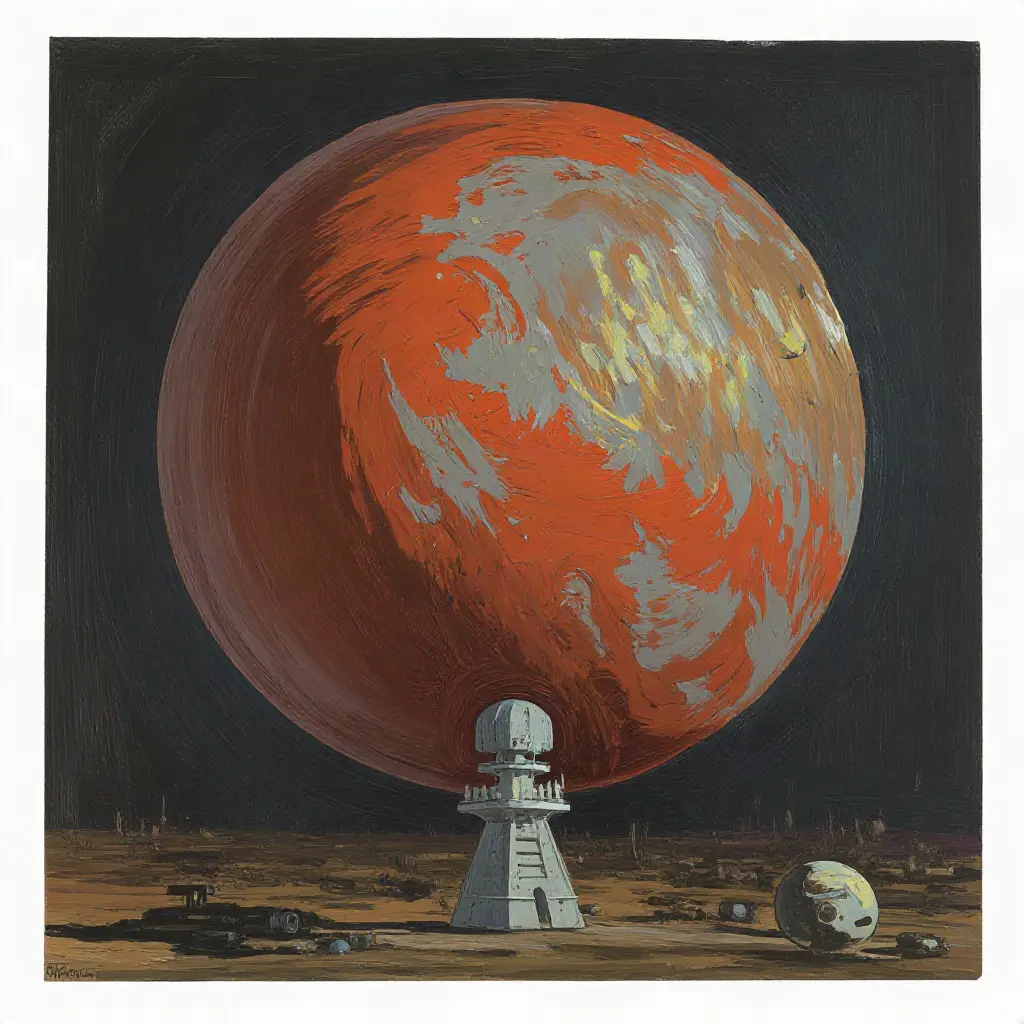 Exoplanets: The Hunt for Seven New WorldsThe story of finding new planets, from the 1995 discovery of 51 Pegasi b to the seven Earth-sized worlds of TRAPPIST-1.
 Annie Jump Cannon and the Harvard ComputersAnnie Jump Cannon and the Harvard 'Computers' classified hundreds of thousands of stars, creating a system astronomers still use today.
 The Big Bang TheoryHow scientists worked out that the universe began in a hot, dense state, from Hubble's expanding galaxies to the cosmic microwave background and the COBE satellite's 1992 map.
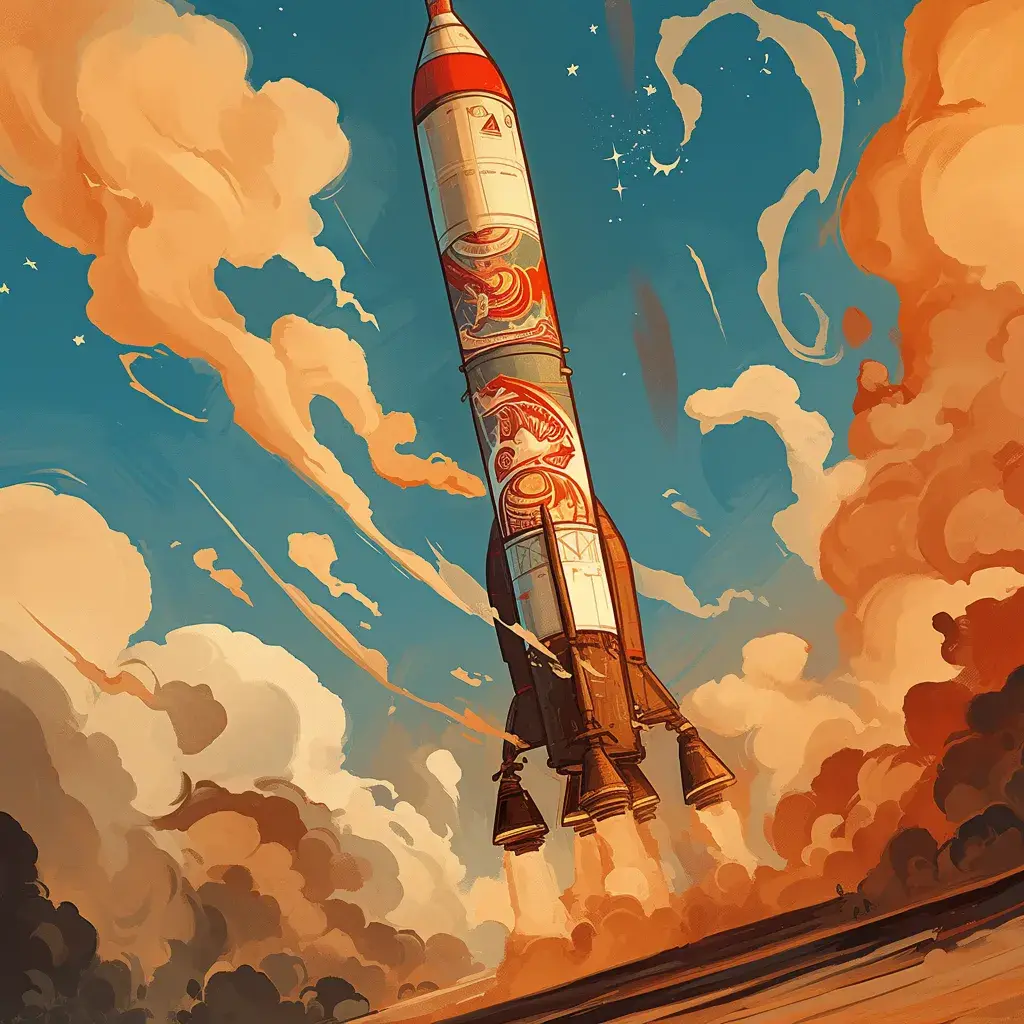 The Space RaceFrom Sputnik to the Moon, two superpowers raced into space. The journey included the first human orbit and ended with a handshake in space.
More like this

To view the rest of the story pack, download the Chunks Microlearning app and start learning
Or get it straight away:
 Download on iOS
 Download on Android