Skip to content

October 14
in history

Martin Luther King Jr. awarded Nobel Peace Prize (1964), and U-47 sinks HMS Royal Oak at Scapa Flow (1939). Born on this day: Dwight D. Eisenhower, Hannah Arendt and Lillian Gish. Died: Bing Crosby, Erwin Rommel and Julius Nyerere.

33 events, 76 births and 51 deaths on this date.

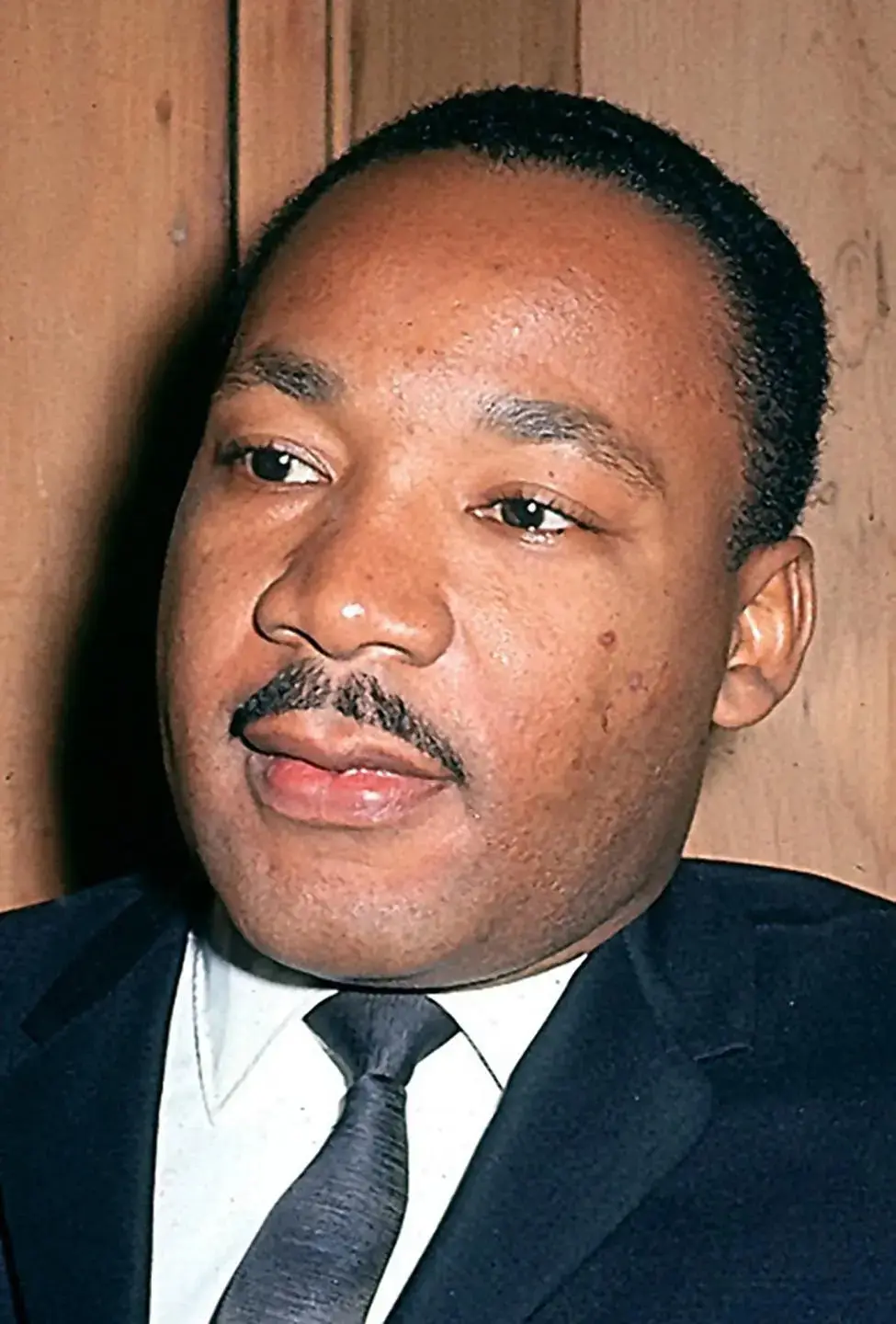
1964

Martin Luther King Jr. awarded Nobel Peace Prize

The Nobel committee honoured King for fighting racial inequality through nonviolent protest, a method he had used across the American South. He received it while the fight for voting and desegregation rights was still under way.

Associated Press · Public domain
Events

  1. 1939

    U-47 sinks HMS Royal Oak at Scapa Flow

    A German U-boat slipped into the anchorage at Scapa Flow in Orkney and torpedoed the battleship while her crew slept or ate. The loss of more than 800 men shook the Royal Navy and exposed the weakness of its home fleet base.

  2. 1940

    A bomb strikes the road above Balham station, London

    A German bomb hit the street above Balham Underground station, which was packed with people sheltering from air raids. At least 64 people died in the blast, one of the deadliest single incidents of the Blitz in the capital.

  3. 1994

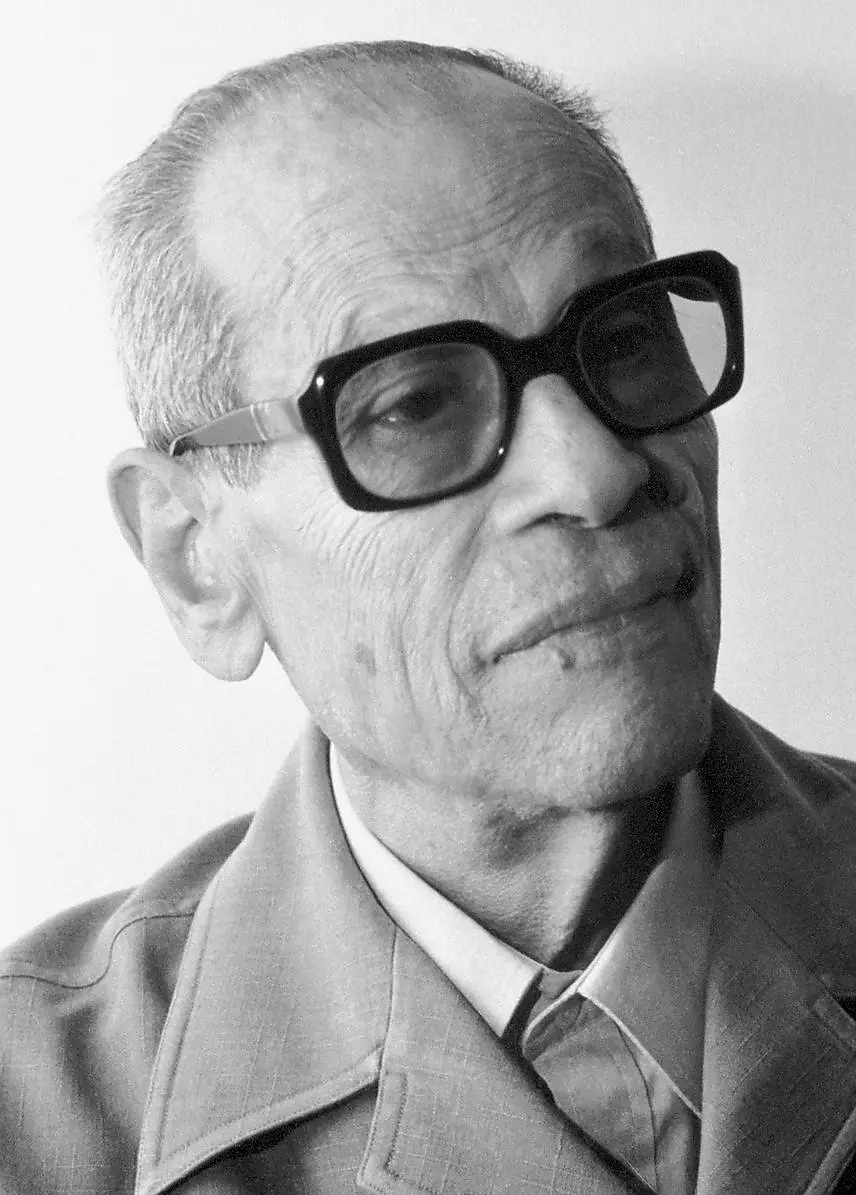
    Naguib Mahfouz survives assassination attempt

    The Egyptian novelist who won the 1988 Nobel Prize in Literature, the only Egyptian to do so, was the target of a murder bid and lived. He is best known for The Cairo Trilogy, and his novels all take place in Egypt.

    Unknown author Unknown author · Public domain
  4. 1956

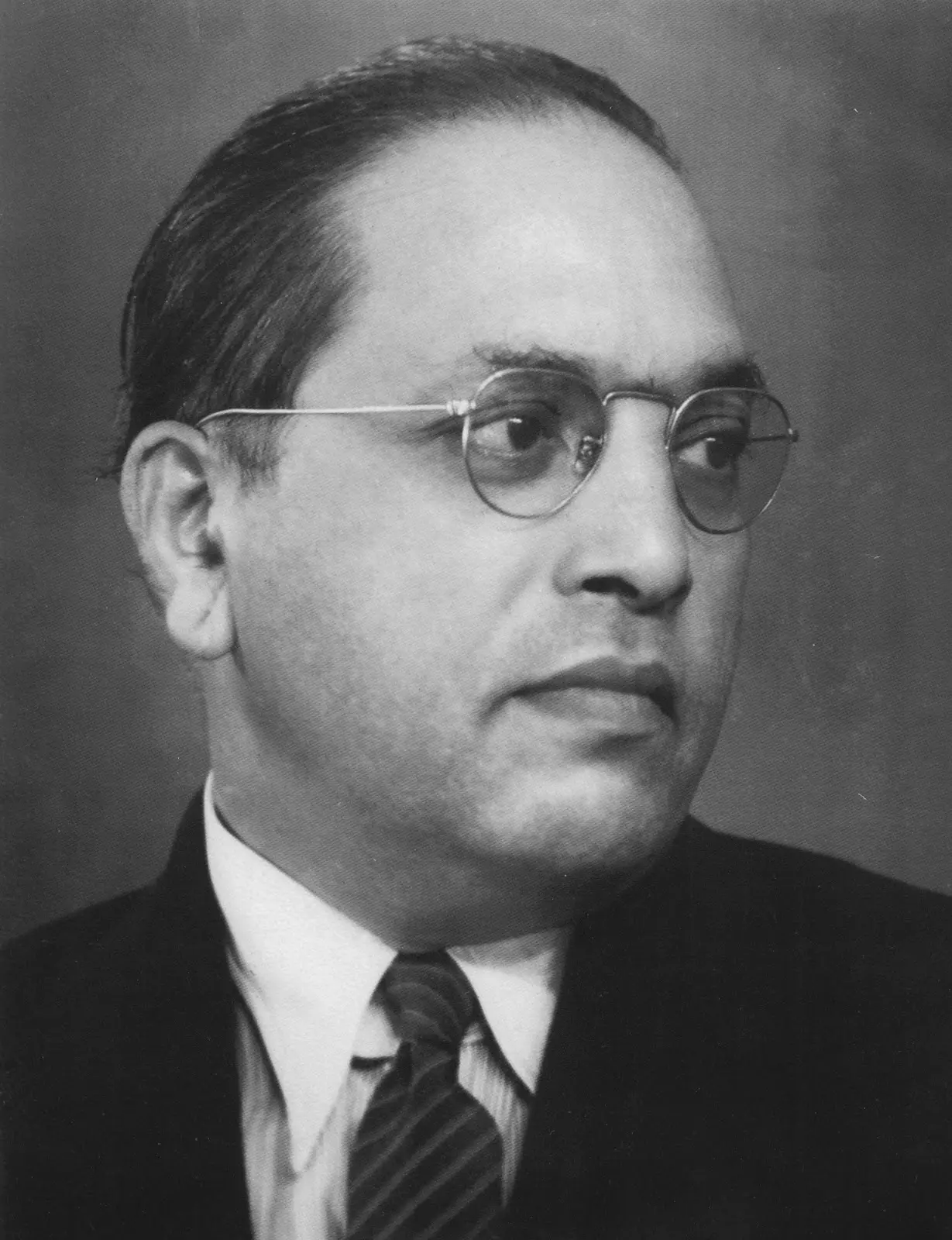
    Ambedkar converts to Buddhism in Nagpur

    Ambedkar led a mass public conversion to Buddhism, rejecting Hinduism's caste hierarchy. The move launched the Dalit Buddhist movement, which still carries his name and inspires followers today.

    Unknown author Unknown author · Public domain
  5. 1953

    Israeli forces attack the West Bank village of Qibya

    Ariel Sharon's Unit 101 raided Qibya, a village on the West Bank, levelling 45 buildings and killing 42 villagers. The attack drew wide international condemnation and became one of the most controversial reprisal raids of the period.

  6. 1586

    Mary, Queen of Scots stands trial for plotting against Elizabeth I

    In the app
  7. 1066

    Norman forces defeat King Harold's English army near Hastings

    In the app
  8. 1884

    George Eastman receives US patent for paper-strip photographic film

    In the app

27 more events on October 14

For the full day, download Chunks today. Every date, the stories behind them, and a new day each morning. Free to start.

Born on October 14

73 more in the app
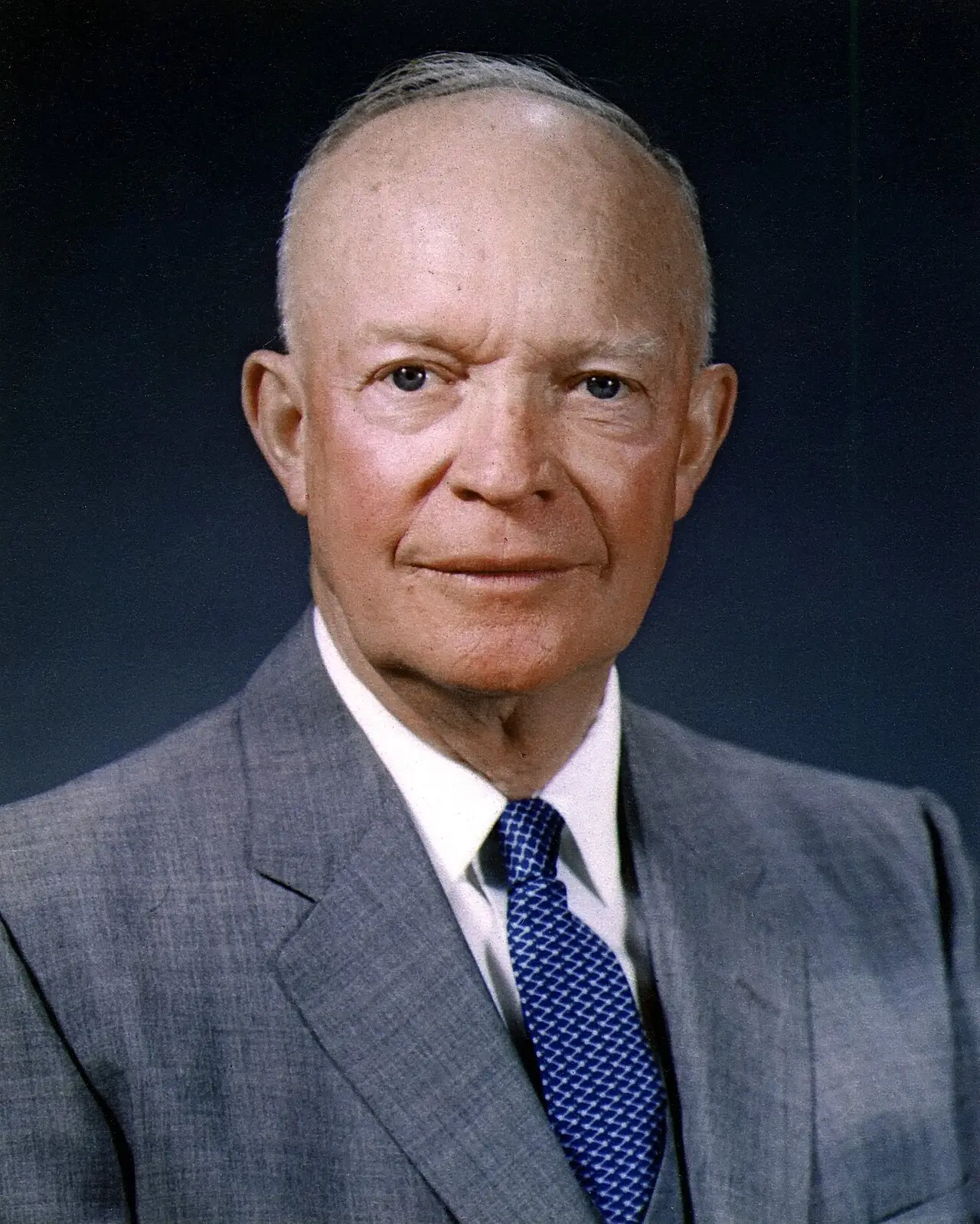
  • Dwight D. Eisenhower
    1890 – 1969 · Politician

    Dwight D. Eisenhower

    Eisenhower led Allied forces in Europe during the Second World War, including the D-Day landings in Normandy. He later served two terms as the 34th president of the United States, from 1953 to 1961.

    White House · Public domain
  • Hannah Arendt
    1906 – 1975 · Philosopher

    Hannah Arendt

    Hannah Arendt was a German-American philosopher whose study of totalitarian regimes changed how many people think about power. She covered the trial of Adolf Eichmann and suggested that ordinary, unthinking people could carry out monstrous crimes while following orders.

    Unknown author Unknown author · Public domain

Died on October 14

48 more in the app
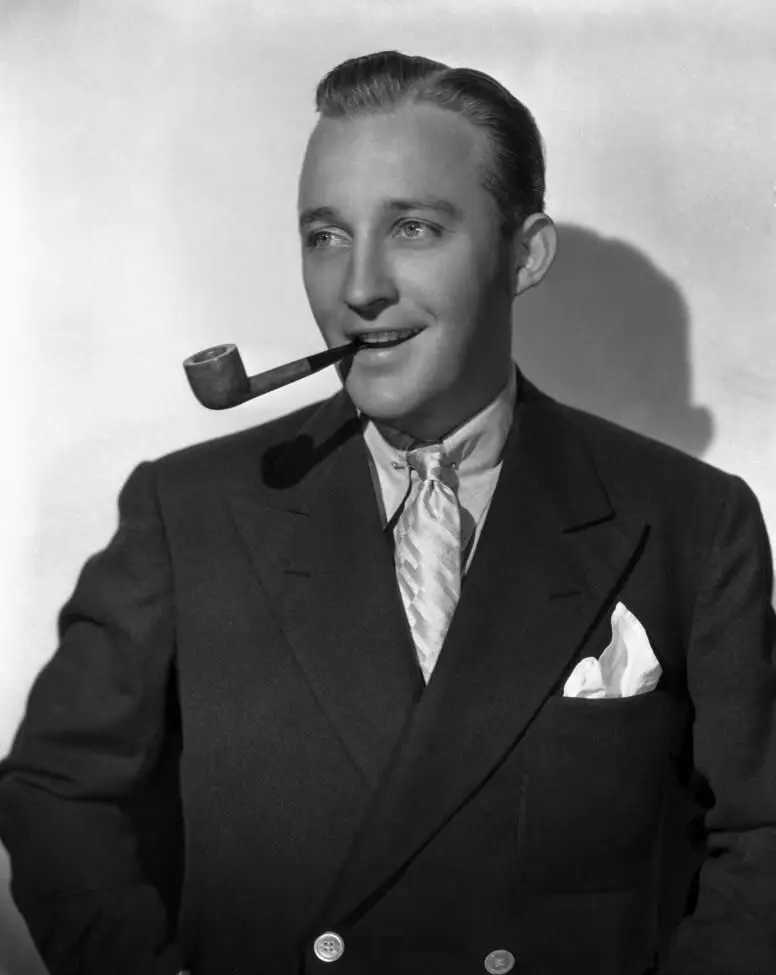
  • Bing Crosby
    1903 – 1977 · Singer

    Bing Crosby

    Bing Crosby was one of the first multimedia stars, a singer and actor whose easy, intimate style shaped generations of male vocalists. He won the Academy Award for Best Actor for Going My Way in 1944 and was among the best-selling recording artists of his era.

    Anonymous Unknown author · Public domain
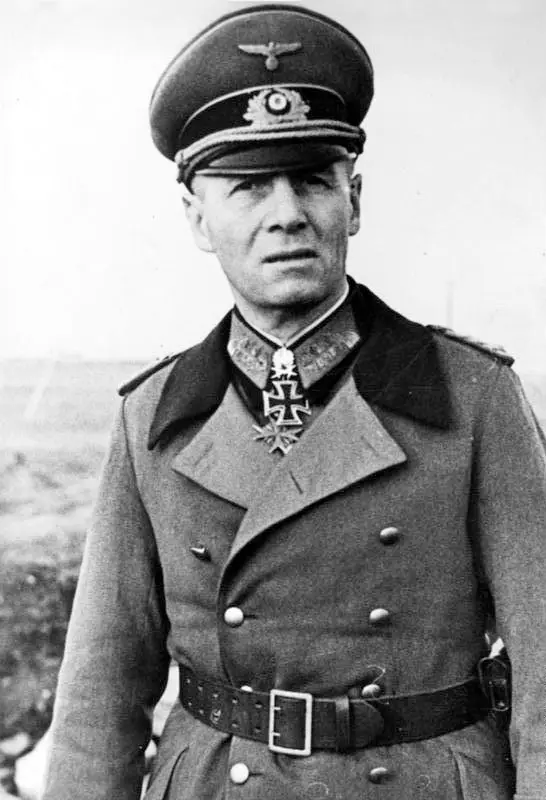
  • Erwin Rommel
    1891 – 1944 · Military officer

    Erwin Rommel

    Known as the Desert Fox, Rommel led German and Italian forces in North Africa, earning a reputation as one of the war's ablest tank commanders. He was later implicated in the 20 July plot to assassinate Hitler.

    Winkelmann · CC BY-SA 3.0 de
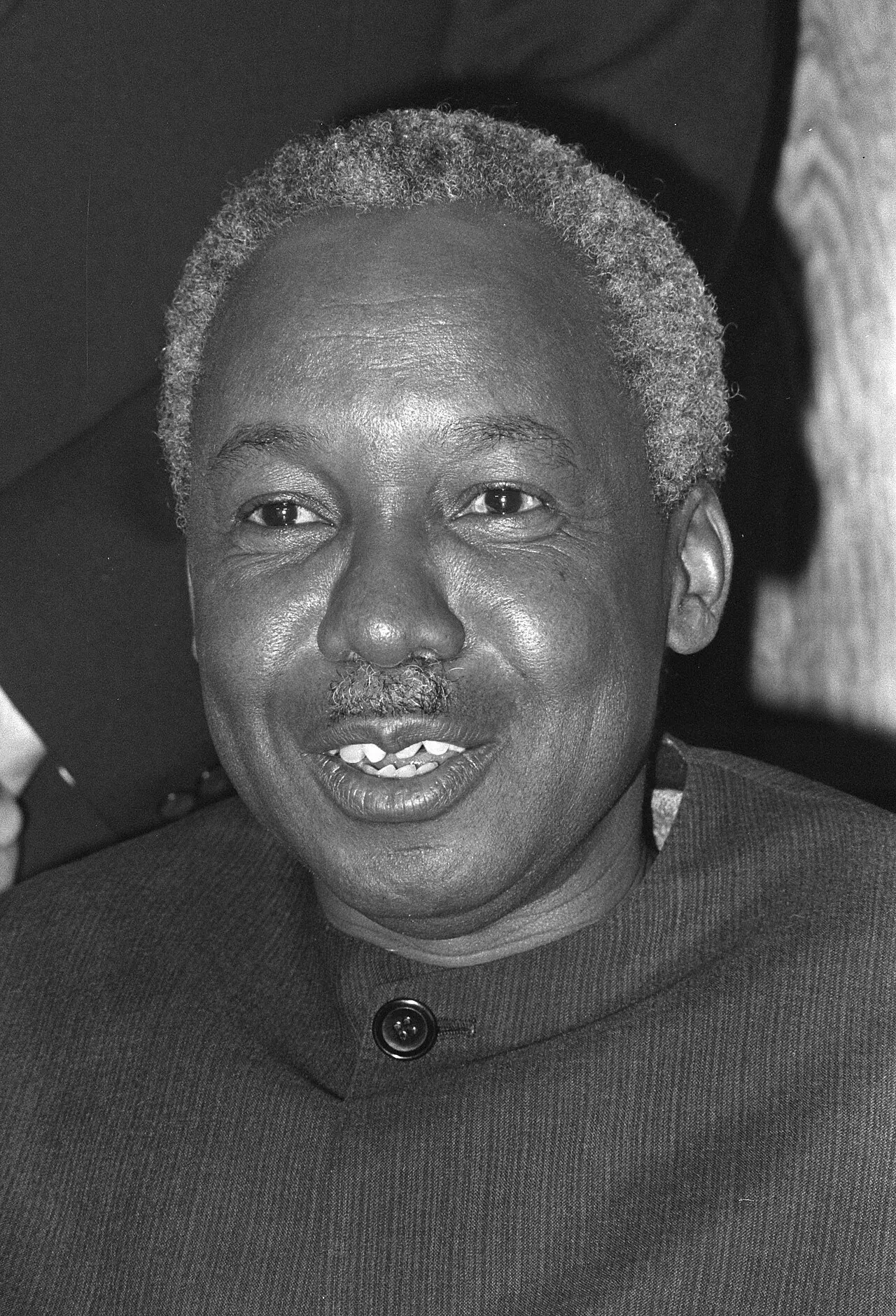
  • Julius Nyerere
    1922 – 1999 · Linguist

    Julius Nyerere

    Tanzania's first president, a teacher who led the country from British rule to independence and promoted Ujamaa, his own form of African socialism. He died in 1999, aged 77, after decades shaping the nation he helped create.

    Rob Mieremet / Anefo · CC0

Explore another day

Every date of the year has its own page. Try your birthday.