Skip to content

November 15
in history

Xi Jinping replaces Hu Jintao as Communist Party chief (2012), and Brazil is declared a republic after Emperor Pedro II is deposed (1889). Born on this day: William Herschel, Gerhart Hauptmann and Erwin Rommel. Died: Johannes Kepler, Émile Durkheim and Henryk Sienkiewicz.

32 events, 63 births and 55 deaths on this date.

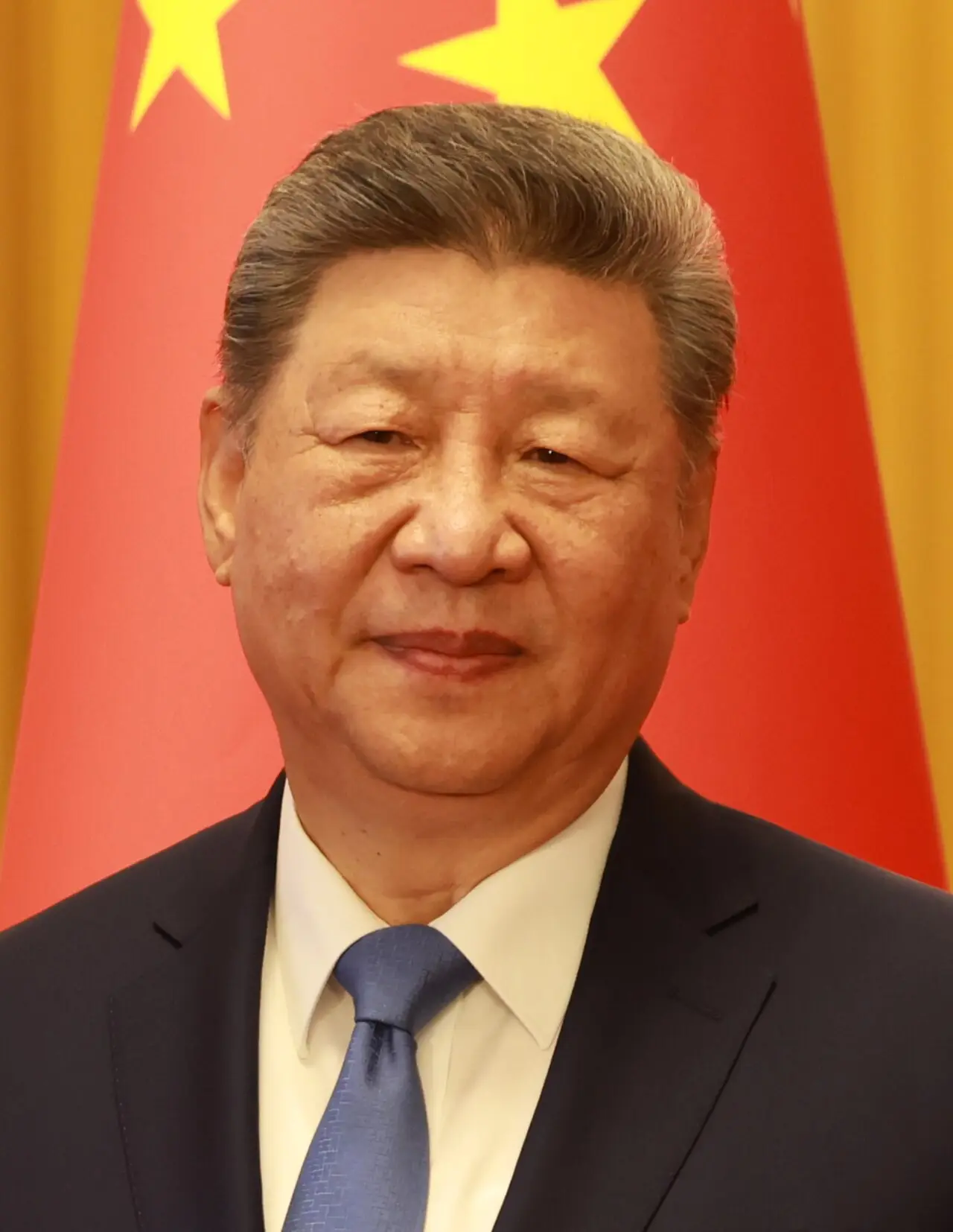
2012

Xi Jinping replaces Hu Jintao as Communist Party chief

Xi Jinping took over the Communist Party's top post from Hu Jintao, becoming China's most powerful figure. He was the first leader born after the People's Republic was founded, and his wide-ranging anti-corruption drive would come to define his time in office.

Presidencia de la República del Ecuador · Public domain

Events

  1. 1889

    Brazil is declared a republic after Emperor Pedro II is deposed

    A military coup led by Marshal Deodoro da Fonseca ended the Brazilian monarchy and set up a republic. The overthrow brought the reign of Pedro II, Brazil's last emperor, to an abrupt close.

  2. 1969

    Protesters march against the Vietnam War in Washington

    Crowds estimated at 250,000 to half a million gathered in the capital for a peaceful protest against the war in Vietnam. A symbolic procession, the March Against Death, aimed to highlight the human cost of the fighting.

  3. 1938

    Jewish children barred from German state schools

    Days after the Kristallnacht pogrom, the Nazi government excluded Jewish pupils from German state schools, cutting off another part of ordinary life for the country's Jewish families. It was one step in a steady run of laws that pushed Jews out of German society.

  4. 1983

    Northern Cyprus declares independence, recognised only by Turkey

    The Turkish Cypriot north of the island proclaimed itself an independent republic, a move the United Nations rejected as legally invalid. Turkey alone recognised it, and the state has depended on Ankara ever since.

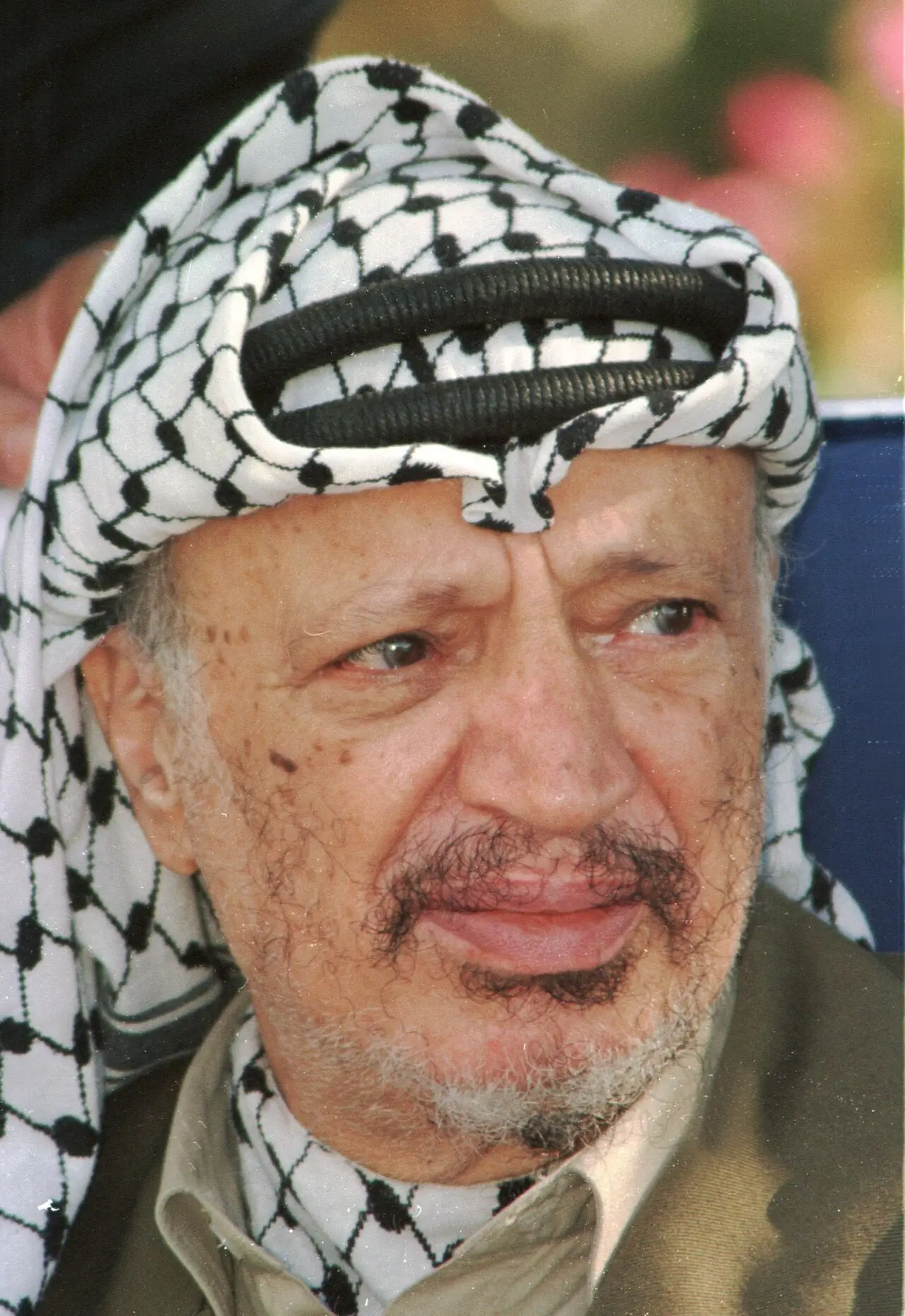
  5. 1988

    Yasser Arafat proclaims a Palestinian state

    Yasser Arafat declared an independent Palestinian state while leading the Palestine Liberation Organization, a claim to statehood he had pursued for decades. He later became president of Palestine and of the Palestinian Authority, which he led until his death in 2004.

    Gideon Markowiz · CC BY 4.0
  6. 2000

    Jharkhand officially becomes India's 28th state

    In the app
  7. 1920

    League of Nations holds its first Assembly in Geneva

    In the app
  8. 2002

    Hu Jintao takes over as head of China's Communist Party

    In the app

26 more events on November 15

For the full day, download Chunks today. Every date, the stories behind them, and a new day each morning. Free to start.

Born on November 15

60 more in the app
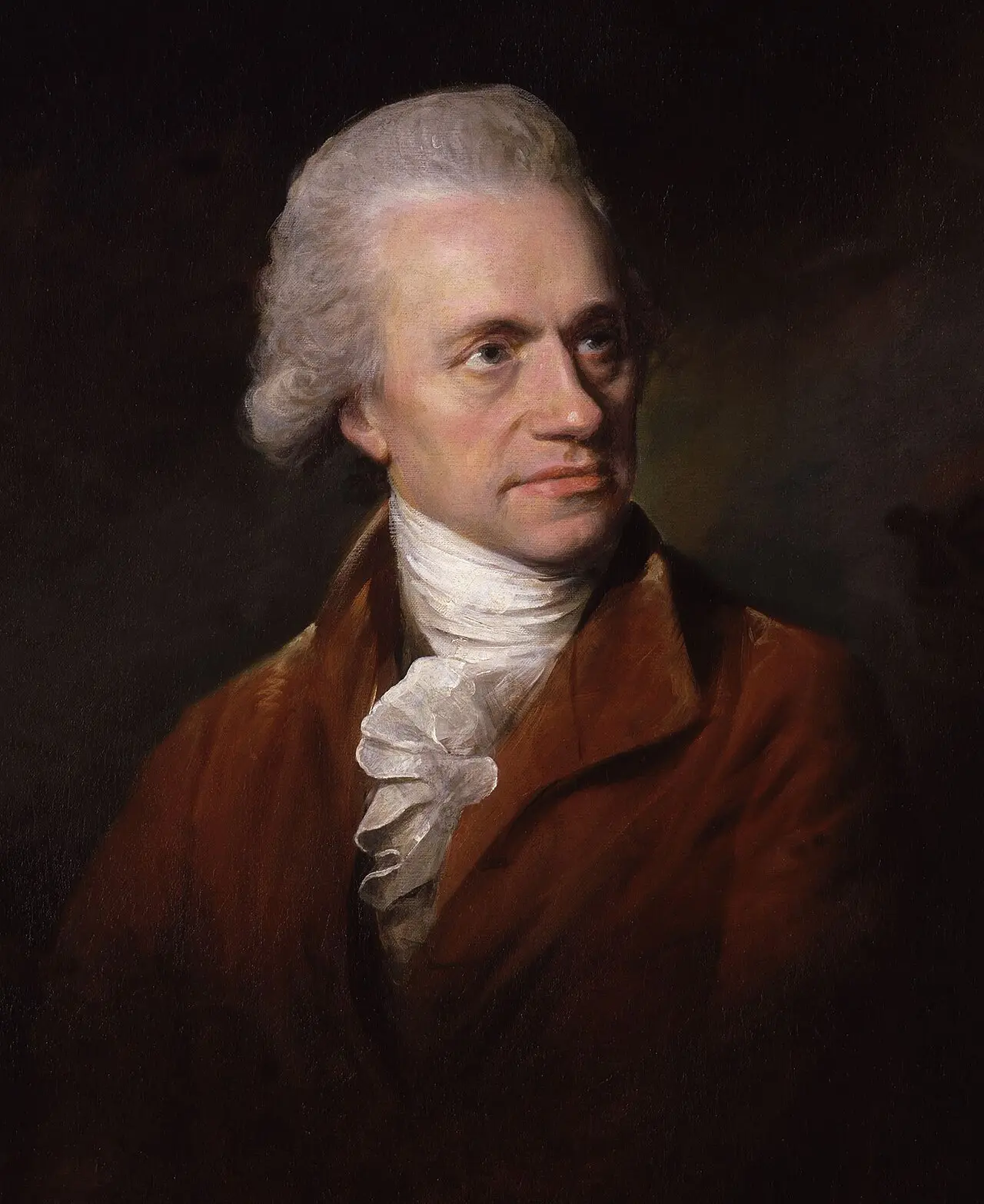
  • William Herschel
    1738 – 1822 · Astronomer

    William Herschel

    German-born astronomer and composer who settled in Britain and is remembered for discovering Uranus in 1781, the first planet found since antiquity. He also found infrared radiation while studying starlight.

    Lemuel Francis Abbott · Public domain
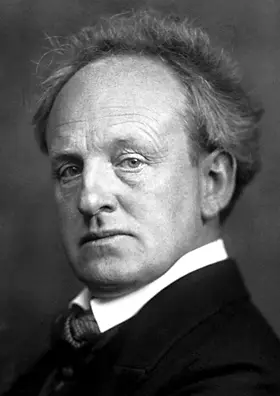
  • Gerhart Hauptmann
    1862 – 1946 · Playwright

    Gerhart Hauptmann

    German playwright and novelist who championed literary naturalism, drawing audiences with plays about the lives of ordinary and struggling people. He won the Nobel Prize in Literature in 1912.

    Unknown author Unknown author · Public domain
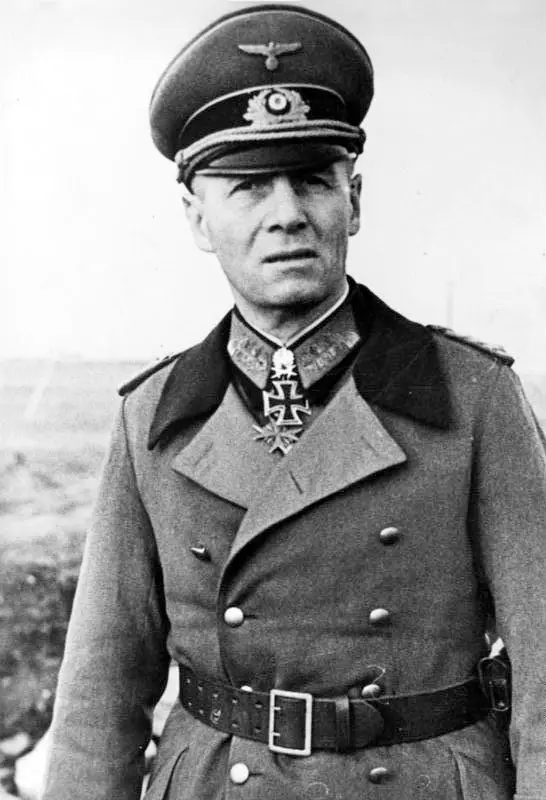
  • Erwin Rommel
    1891 – 1944 · Military officer

    Erwin Rommel

    Erwin Rommel was a German field marshal remembered as the Desert Fox, a tank commander whose North African campaign earned him a reputation for chivalry among his British opponents. He was born in 1891 and later took his own life in 1944 after being implicated in the plot against Hitler.

    Winkelmann · CC BY-SA 3.0 de

Died on November 15

52 more in the app
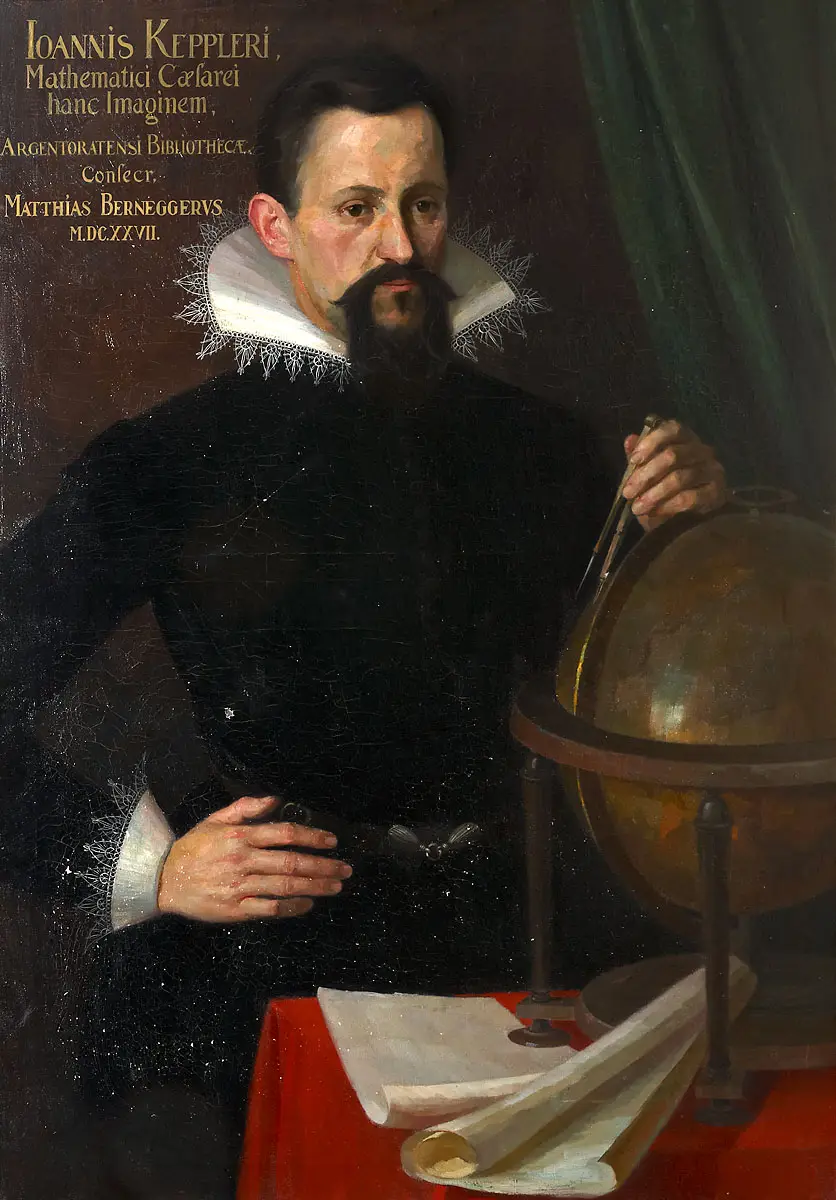
  • Johannes Kepler
    1571 – 1630 · Naturalist

    Johannes Kepler

    Kepler worked out the laws of planetary motion, showing that planets travel in ellipses rather than perfect circles. He also wrote Somnium, often cited as an early work of science fiction.

    August Köhler [1] · Public domain
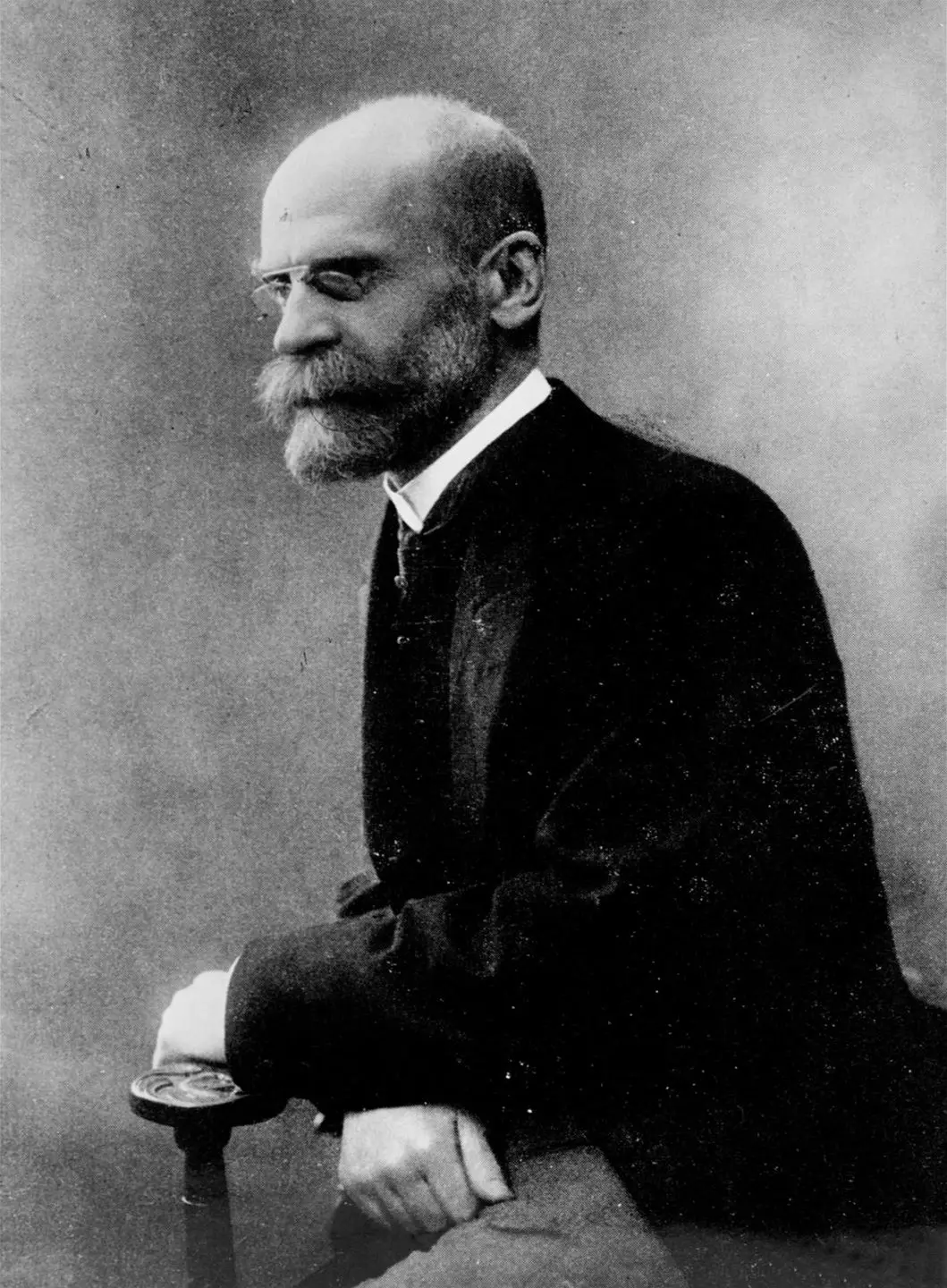
  • Émile Durkheim
    1858 – 1917 · Anthropologist

    Émile Durkheim

    Émile Durkheim was a French sociologist who helped establish sociology as an academic discipline. He is remembered for studying suicide rates across Catholic and Protestant communities, using statistics to show that social forces shaped even the most personal choices.

    Unknown author Unknown author · Public domain
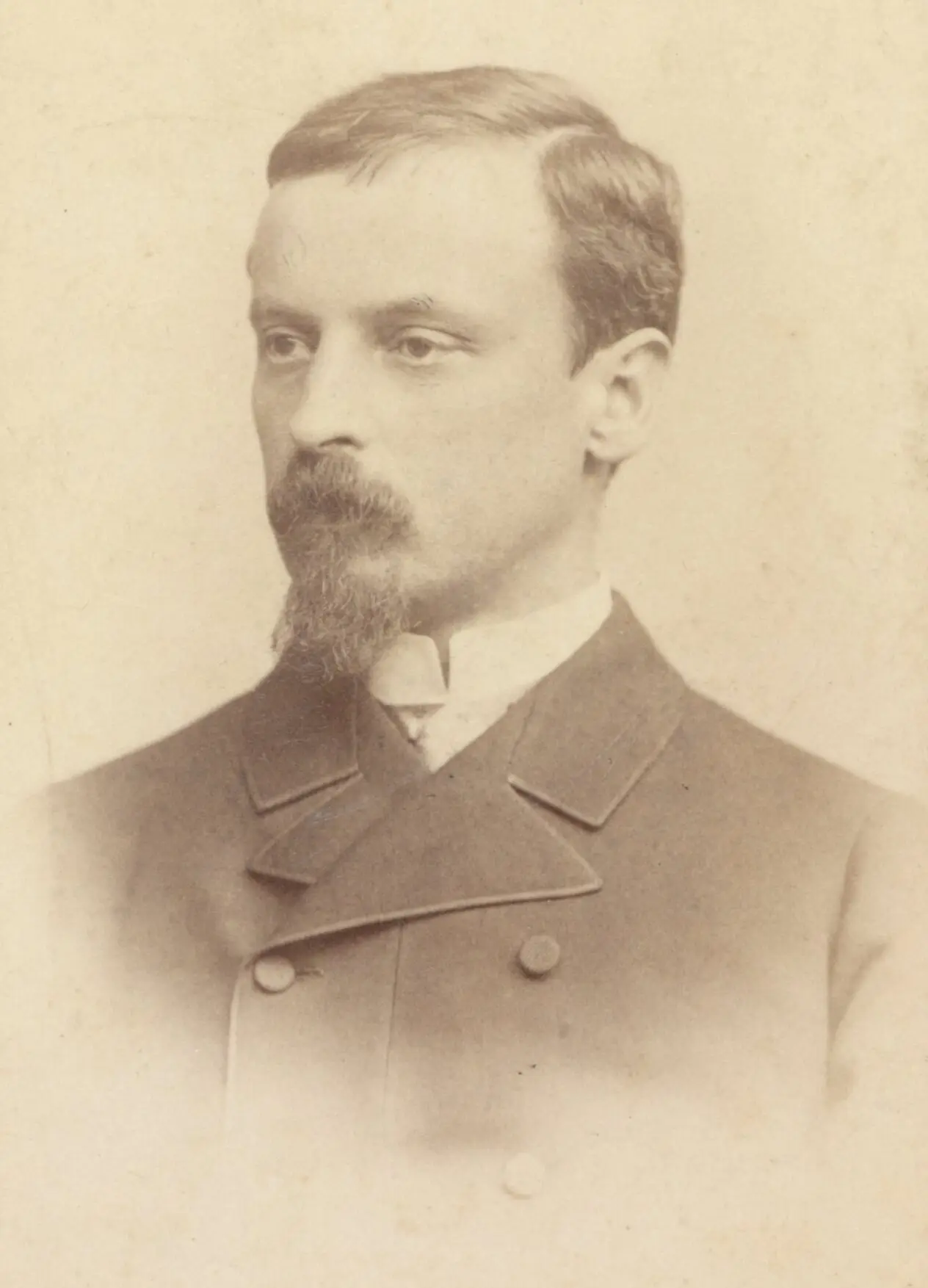
  • Henryk Sienkiewicz
    1846 – 1916 · Novelist

    Henryk Sienkiewicz

    Polish novelist whose historical books, especially Quo Vadis, made him one of the most widely read writers of his age. He won the 1905 Nobel Prize in Literature for his epic storytelling.

    Unknown author Unknown author · Public domain

Explore another day

Every date of the year has its own page. Try your birthday.