Skip to content

November 14
in history

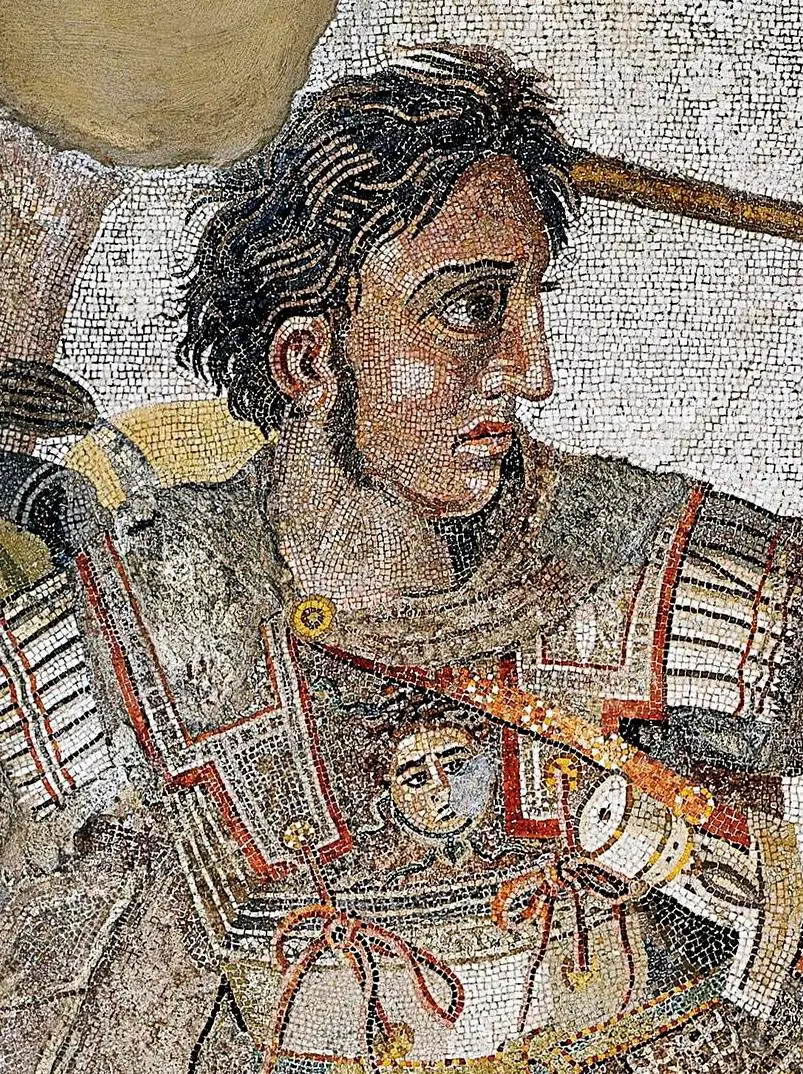
Alexander the Great takes Egypt's throne as pharaoh (332 BC), and France conducts Aphrodite nuclear test in Pacific (1978). Born on this day: Charles III, Jawaharlal Nehru and Claude Monet. Died: Gottfried Wilhelm Leibniz, Georg Wilhelm Friedrich Hegel and Justinian I.

28 events, 77 births and 76 deaths on this date.

Events

  1. 1978

    France conducts Aphrodite nuclear test in Pacific

    France detonated the Aphrodite device, the 25th of 29 nuclear tests it carried out between 1975 and 1978. The tests were part of a programme that kept France building its own nuclear arsenal despite growing international criticism.

  2. 1941

    HMS Ark Royal sinks while under tow to Gibraltar

    Torpedoed the day before, the Royal Navy aircraft carrier was being towed toward Gibraltar for repairs when she foundered off Spain. Only one sailor died in the sinking, a loss that shocked a navy already short of carriers.

  3. 1970

    Soviet Union joins the International Civil Aviation Organization

    The Soviet Union became a member of the International Civil Aviation Organization, a United Nations body that coordinates air travel between countries. Russian was added as one of the organisation's official languages, the fourth of them.

  4. 1995

    Federal government partially shuts down over budget dispute

    Budget talks between Bill Clinton and Congress, led by Newt Gingrich, collapsed, leaving non-essential federal services without funding. The clash showed how far apart the two sides were on federal spending.

  5. 1982

    Solidarity leader Lech Wałęsa freed after eleven months' internment

    After nearly a year held near the Soviet frontier, Solidarity's leader walked free, though the union remained banned. His release let him keep challenging Poland's communist authorities, a campaign that later brought him the presidency.

  6. 1918

    Czechoslovakia's Provisional National Assembly meets to draft a constitution

    In the app
  7. 1941

    HMS Ark Royal sinks after torpedo damage

    In the app
  8. 2003

    Sedna, a distant dwarf planet, is discovered beyond Neptune

    In the app

22 more events on November 14

For the full day, download Chunks today. Every date, the stories behind them, and a new day each morning. Free to start.

Born on November 14

74 more in the app
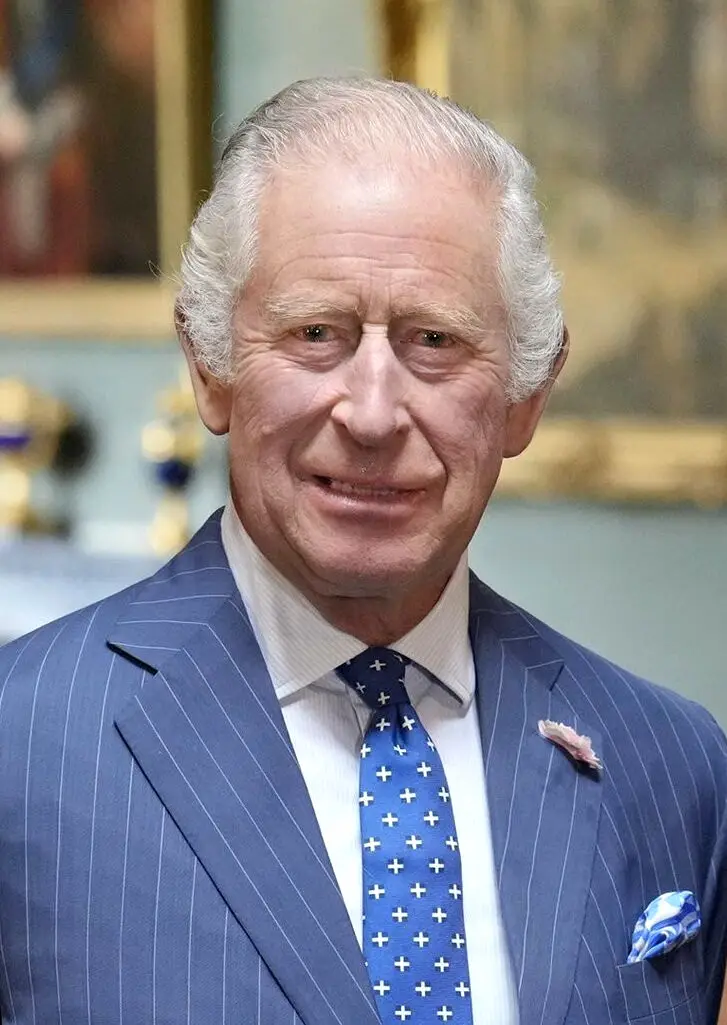
  • Charles III
    1948 · Writer

    Charles III

    Charles III is the King of the United Kingdom and fourteen other Commonwealth realms, and is best known for his long wait as heir to the throne. He also founded the Prince's Trust in 1976 and holds patronages across hundreds of other charities and organisations.

    White House · Public domain
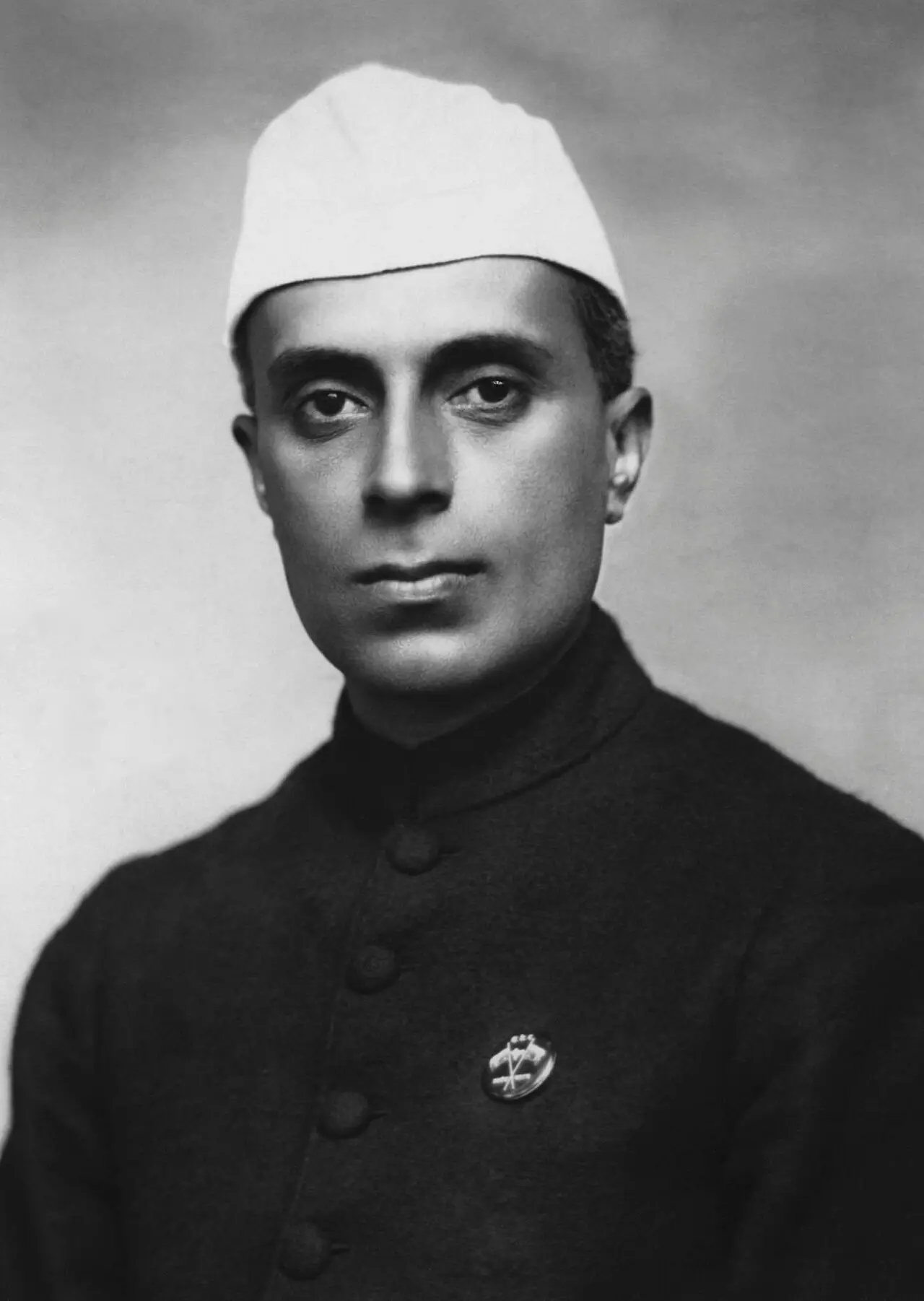
  • Jawaharlal Nehru
    1889 – 1964 · Writer

    Jawaharlal Nehru

    Nehru was India's first prime minister after independence, serving for sixteen years and steering the country through its early decades as a secular, parliamentary democracy. He was also a widely read writer, remembered for books such as The Discovery of India and his letters to his daughter.

    Keystone View Company/FPG · Public domain
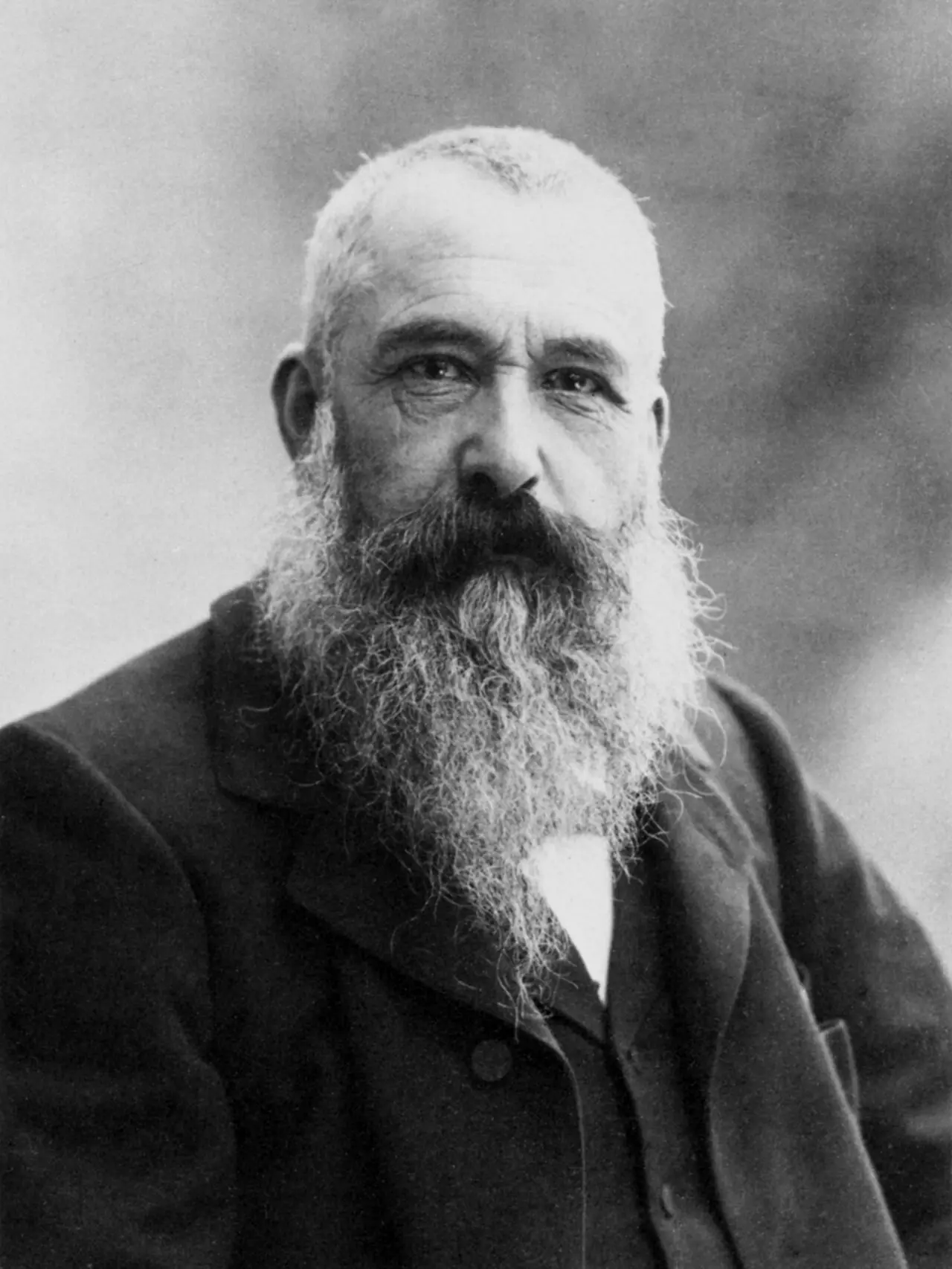
  • Claude Monet
    1840 – 1926 · Painter

    Claude Monet

    Claude Monet was a French painter who helped found Impressionism, painting outdoors to capture how light and weather changed a scene. He is remembered for series such as his water-lily pictures at Giverny.

    Nadar · Public domain

Died on November 14

73 more in the app
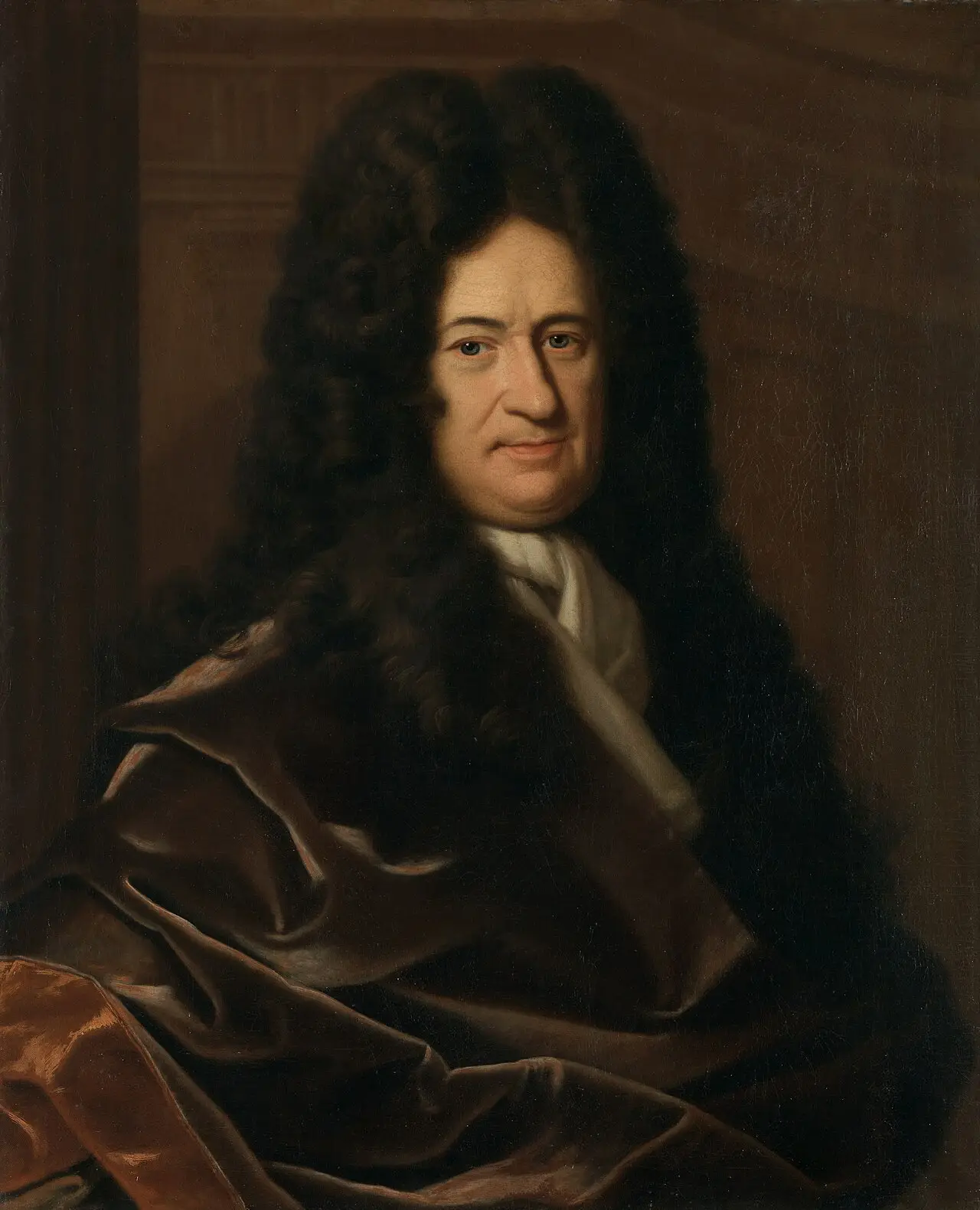
  • Gottfried Wilhelm Leibniz
    1646 – 1716 · Mathematician

    Gottfried Wilhelm Leibniz

    Leibniz was a German polymath who developed calculus separately from Isaac Newton, and he also left lasting ideas in philosophy, logic and library classification. He is often called the last universal genius, a figure whose knowledge spanned nearly every field of his time.

    Christoph Bernhard Francke · Public domain
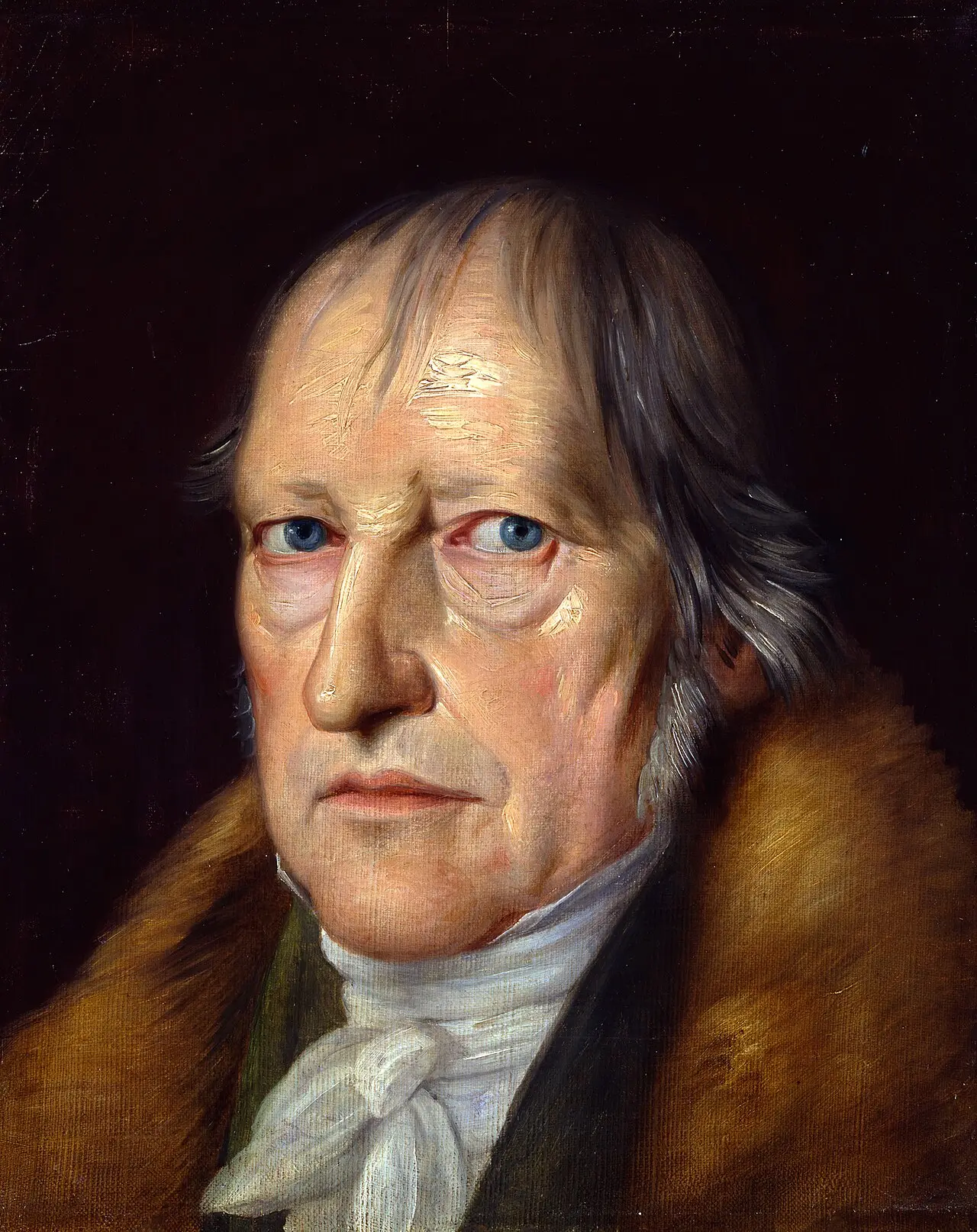
  • Georg Wilhelm Friedrich Hegel
    1770 – 1831 · Philosopher

    Georg Wilhelm Friedrich Hegel

    German philosopher whose dialectical method, built around the idea of spirit developing through history, shaped nineteenth-century thought. He taught at the University of Berlin until his death, and works such as the Phenomenology of Spirit remain central to philosophy.

    Jakob Schlesinger · Public domain
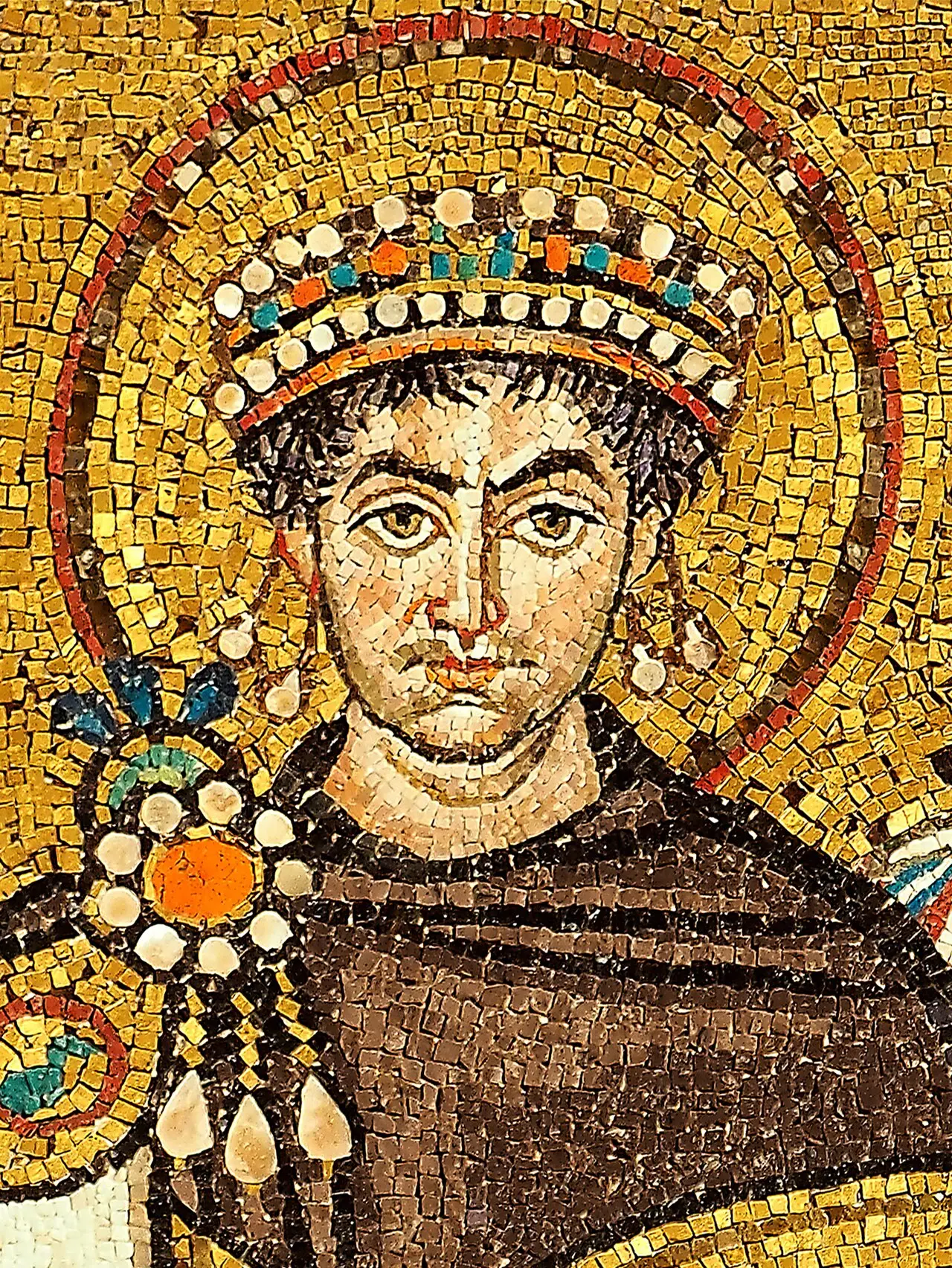
  • Justinian I
    482 – 565 · Legislator

    Justinian I

    Byzantine emperor whose reign saw his generals win back North Africa, Italy and parts of Spain, and whose overhaul of Roman law, the Corpus Juris Civilis, still shapes legal systems today. He also oversaw the building of the Hagia Sophia in Constantinople.

    Petar Milošević · CC BY-SA 4.0

Explore another day

Every date of the year has its own page. Try your birthday.