Skip to content

January 30
in history

Cromwell's body is exhumed for posthumous execution (1661), and Turkey expels Patriarch Constantine VI from Istanbul (1925). Born on this day: Franklin D. Roosevelt, Felipe VI and Dick Cheney. Died: Mahatma Gandhi, Charles I and John Bardeen.

31 events, 73 births and 57 deaths on this date.

1661

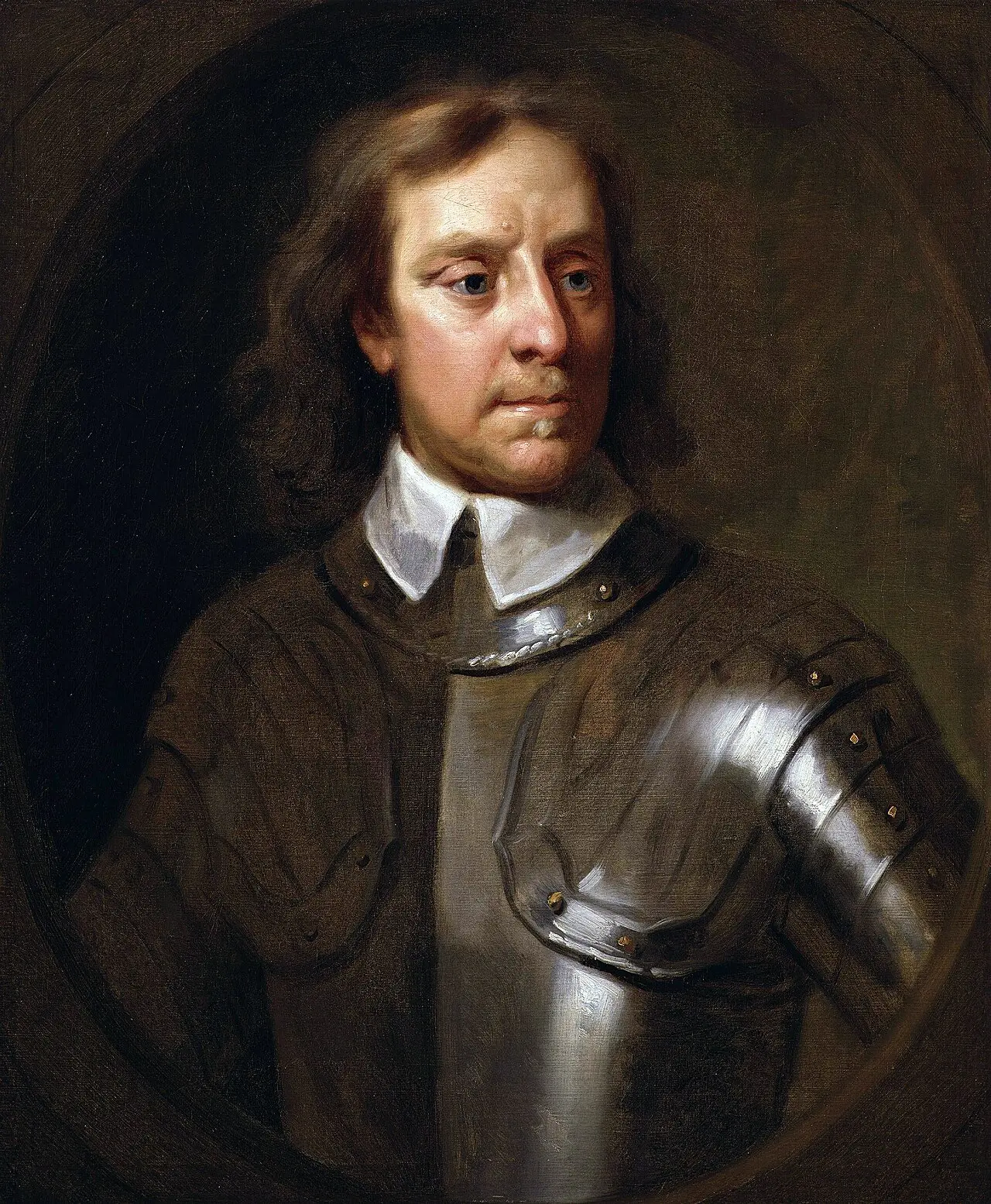
Cromwell's body is exhumed for posthumous execution

The Restoration government dug up Oliver Cromwell two years after his death to punish him posthumously. His head was then set on a spike above Westminster Hall, where it stayed until 1685.

After Samuel Cooper · Public domain


Events

  1. 1925

    Turkey expels Patriarch Constantine VI from Istanbul

    Ankara's government forced Patriarch Constantine VI, leader of the Greek Orthodox community in Istanbul, out of the city. The move showed how the young Turkish republic was reshaping the place of the city's religious minorities.

  2. 1972

    Pakistan leaves the Commonwealth over Bangladesh recognition

    Pakistan withdrew from the Commonwealth of Nations to protest against Commonwealth members recognising Bangladesh, which had broken away from Pakistan the previous year. The move ended Pakistan's membership for nearly two decades, until it rejoined in 1989.

  3. 2020

    WHO declares the COVID-19 outbreak a global health alert

    The World Health Organization classed the spreading coronavirus outbreak as a global health crisis, the highest alarm it can sound under its international rules. The designation was meant to prompt coordinated action across countries to slow transmission and share information.

  4. 1858

    The Hallé orchestra gives its first concert in Manchester

    With this concert, Manchester's Hallé orchestra became a full-time professional body, and its official history begins here. It has remained one of Britain's best-known orchestras ever since.

  5. 1862

    USS Monitor launched as the first American ironclad warship

    The Monitor was a low, iron-plated warship with a rotating gun turret, a design that broke sharply with the wooden sailing ships of the day. Its launch marked the start of the US Navy's move toward armoured steam vessels, and it fought the Confederate ironclad Virginia the following March in the first battle between ironclads.

  6. 1648

    Spain and the Dutch Republic sign peace at Münster

    In the app
  7. 1931

    Charlie Chaplin's City Lights premieres

    In the app
  8. 1972

    Soldiers shoot unarmed civilians during Derry protest march

    In the app

25 more events on January 30

For the full day, download Chunks today. Every date, the stories behind them, and a new day each morning. Free to start.

Born on January 30

70 more in the app
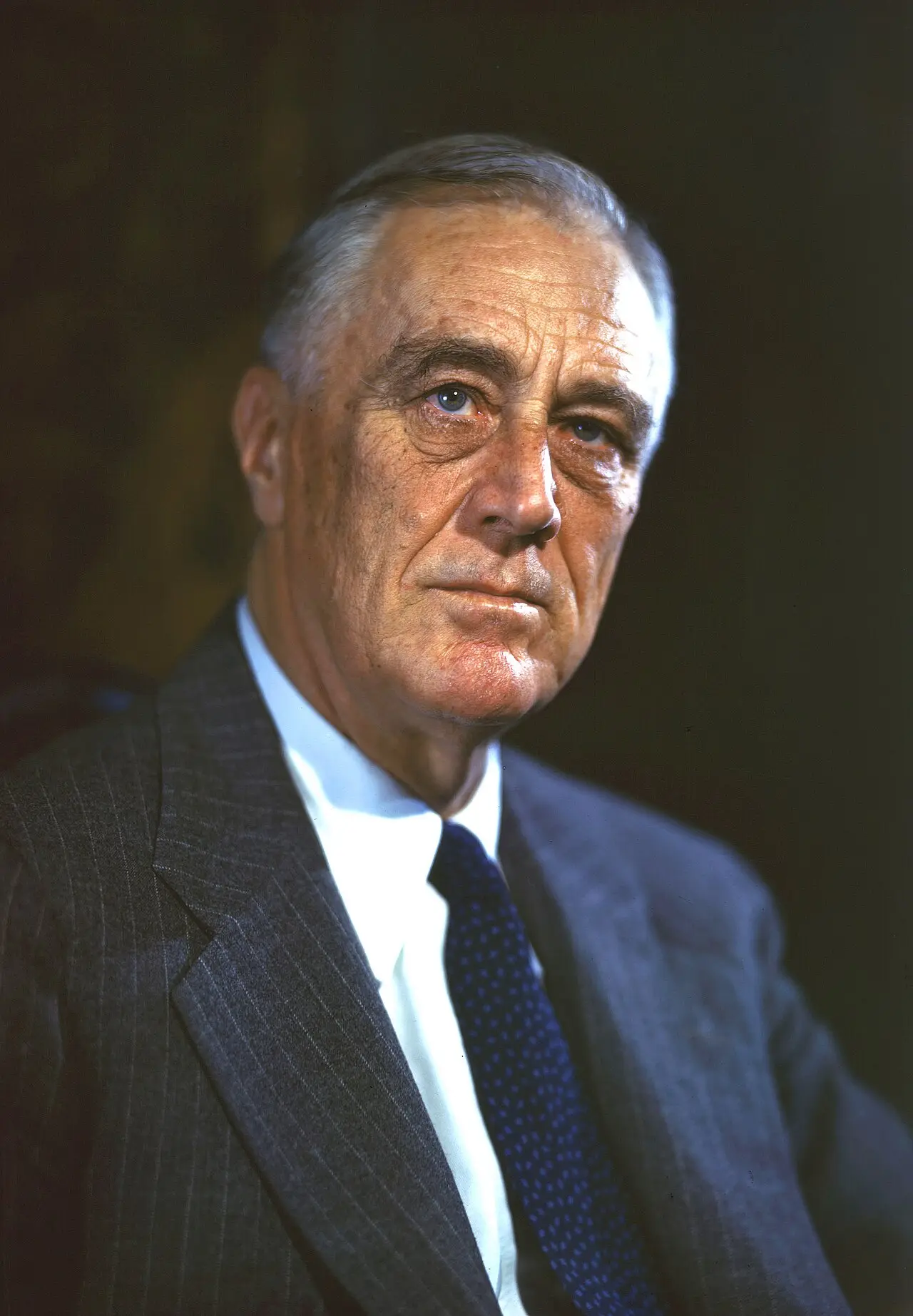
  • Franklin D. Roosevelt
    1882 – 1945 · Statesperson

    Franklin D. Roosevelt

    Franklin D. Roosevelt was the only American president elected to four terms, leading the country through the Great Depression and most of the Second World War. He is remembered for the New Deal, a sweeping set of programmes that reshaped the federal government.

    Leon Perskie · CC BY 2.0
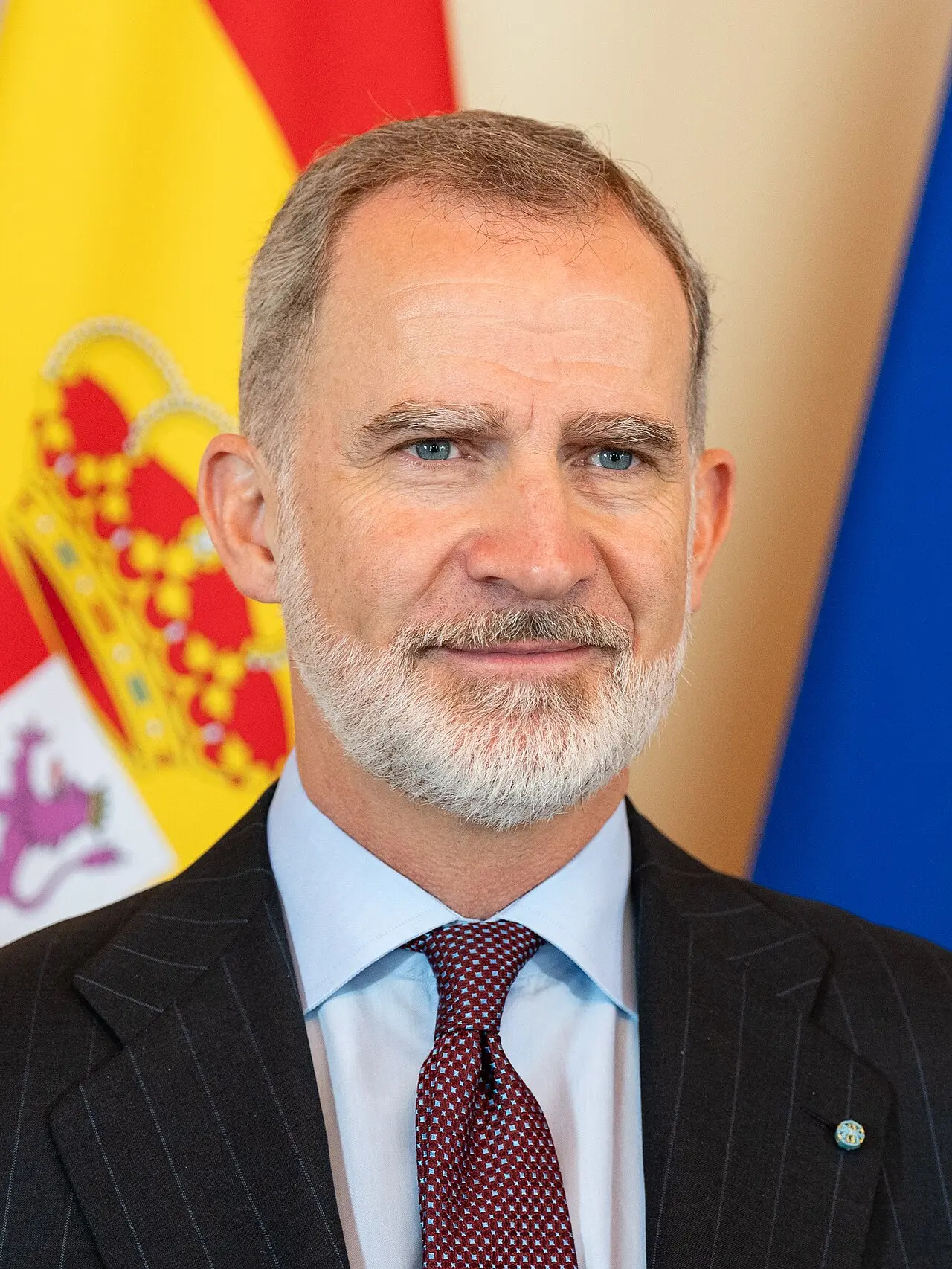
  • Felipe VI
    1968 · Sovereign

    Felipe VI

    Felipe VI has been King of Spain since 2014, succeeding his father Juan Carlos after his abdication. Born in Madrid during Franco's dictatorship, he trained as a military officer before becoming king.

    Saeima · CC BY-SA 2.0
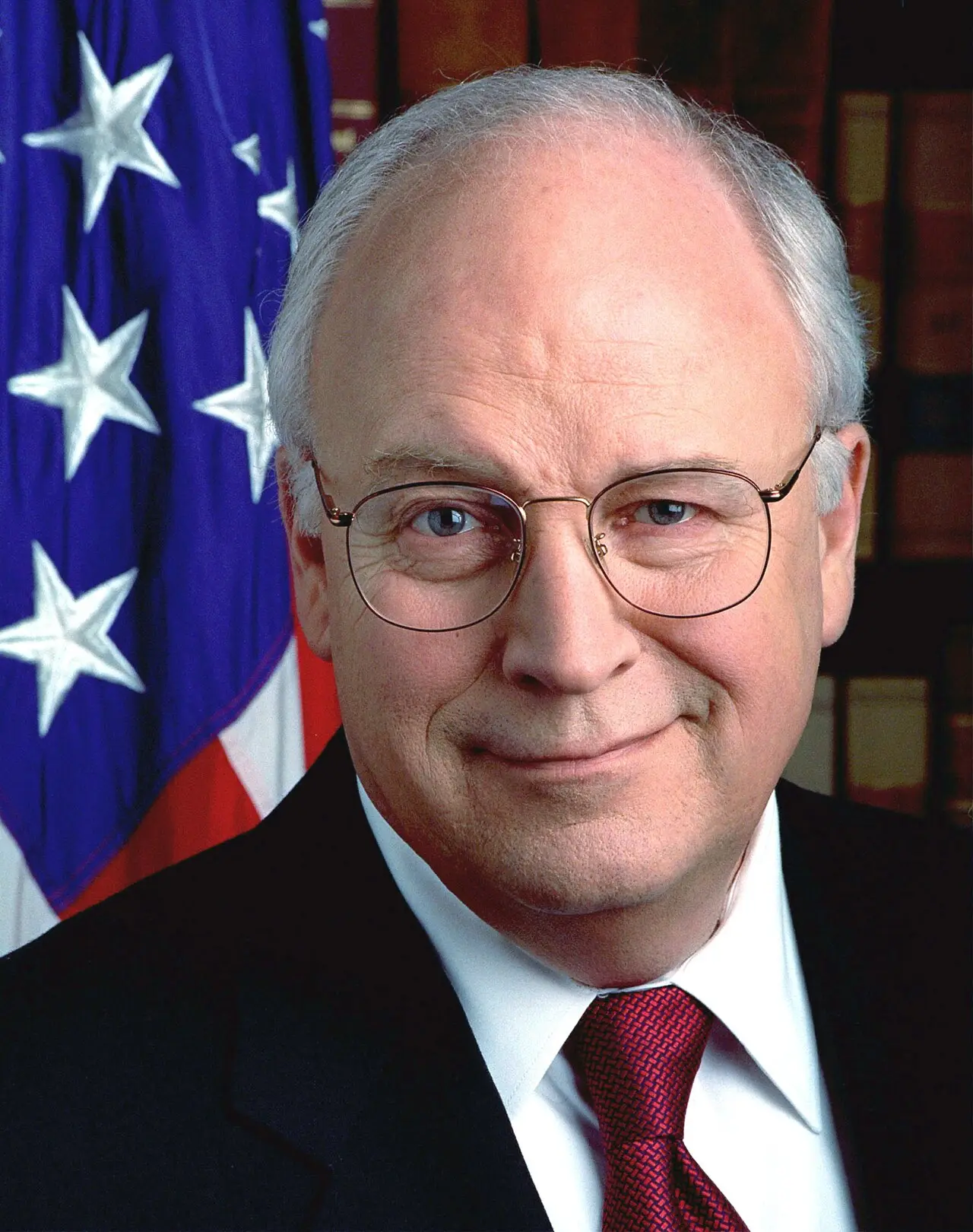
  • Dick Cheney
    1941 – 2025 · Politician

    Dick Cheney

    Dick Cheney was the American vice president under George W. Bush from 2001 to 2009, and is seen as the main architect of the Iraq War. Before that he had served as defence secretary and held senior roles at Halliburton, the oil services firm.

    Karen Ballard, White House. · Public domain

Died on January 30

54 more in the app
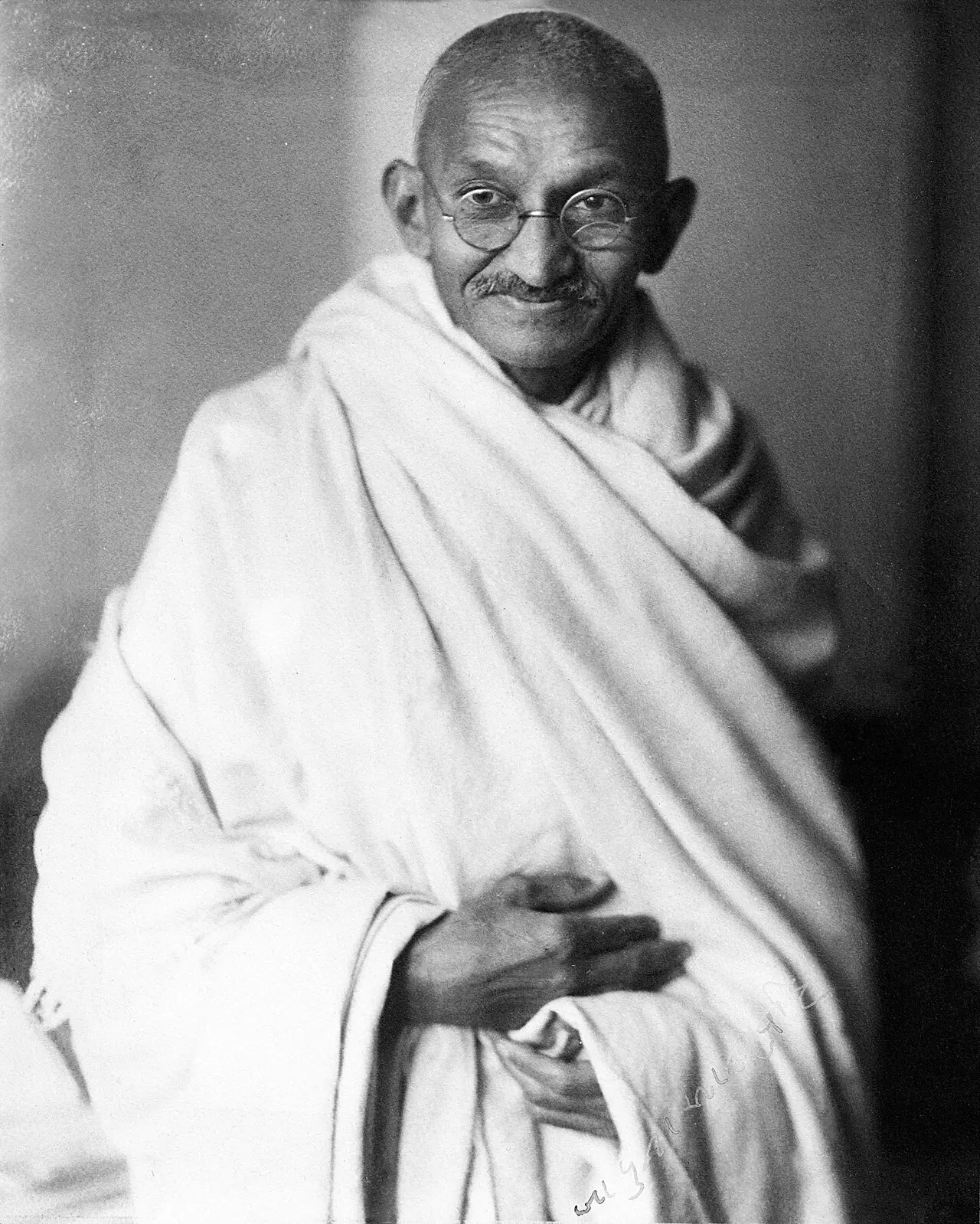
  • Mahatma Gandhi
    1869 – 1948 · Politician

    Mahatma Gandhi

    Gandhi led India's campaign for independence from British rule through nonviolent resistance, earning the name Mahatma, meaning great-souled. He was shot dead in Delhi in January 1948, a few months after independence.

    Elliott & Fry · Public domain
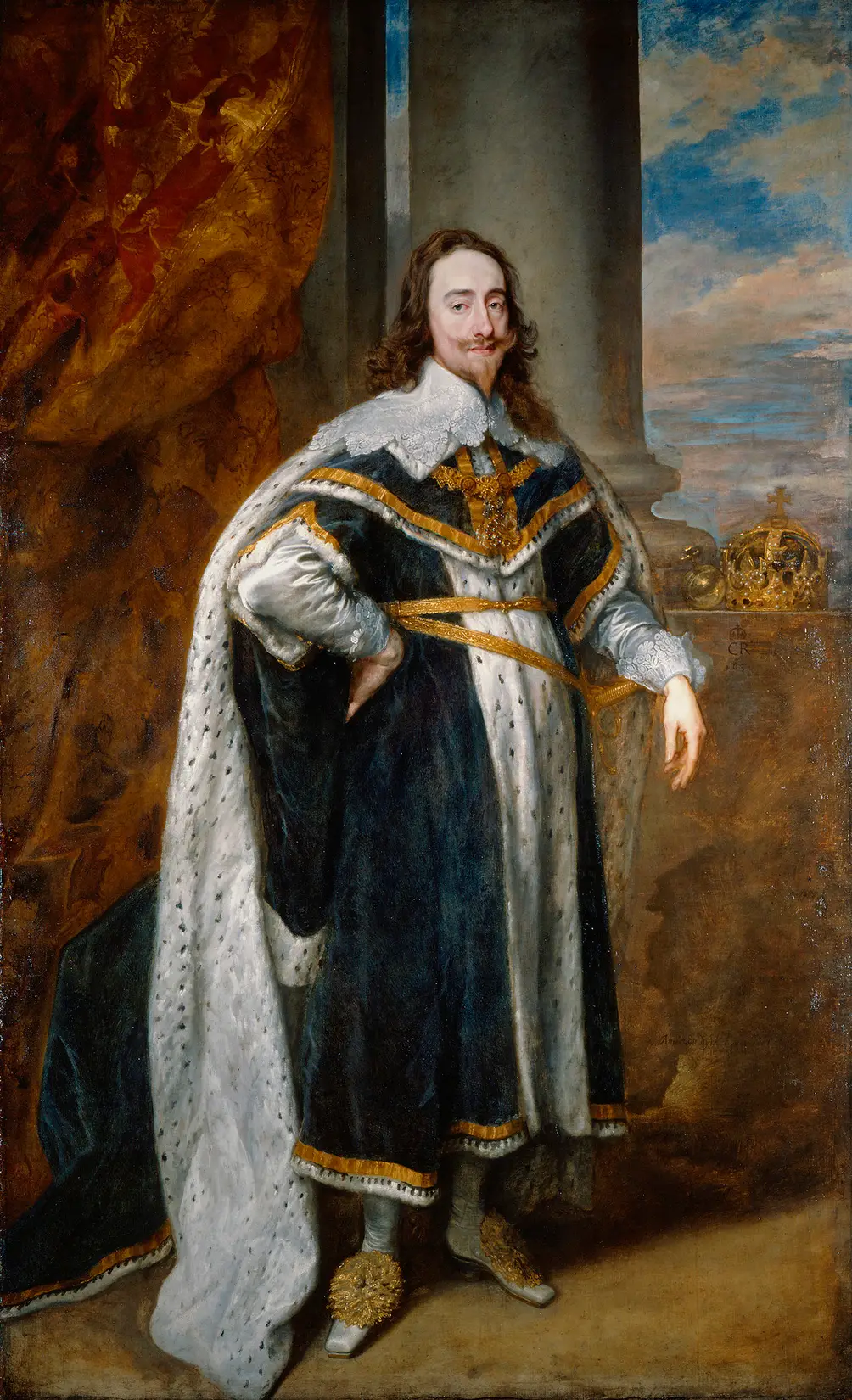
  • Charles I
    1600 – 1649 · Politician

    Charles I

    Charles I was King of England, Scotland and Ireland, who believed rulers answered to God alone and quarrelled with Parliament over taxes. His struggle with Parliament led to civil war, and he was executed in 1649.

    Anthony van Dyck · Public domain
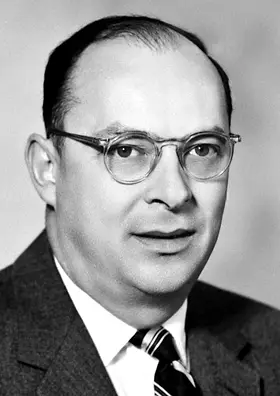
  • John Bardeen
    1908 – 1991 · Physicist

    John Bardeen

    John Bardeen is the only person to win the Nobel Prize in Physics twice. He shared the 1956 prize for helping invent the transistor, and the 1972 prize for his theory of superconductivity, work that feeds into MRI scanners.

    Nobel foundation · Public domain

Explore another day

Every date of the year has its own page. Try your birthday.