Skip to content

January 12
in history

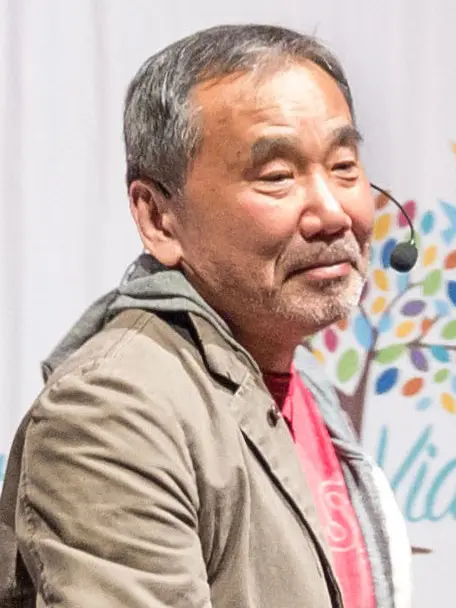
Lyndon B. Johnson says the United States should stay in South Vietnam (1966), and Security Council votes to let the PLO join a debate (1976). Born on this day: Jeff Bezos, Haruki Murakami and Jack London. Died: Agatha Christie, Pierre de Fermat and Maximilian I.

33 events, 83 births and 56 deaths on this date.

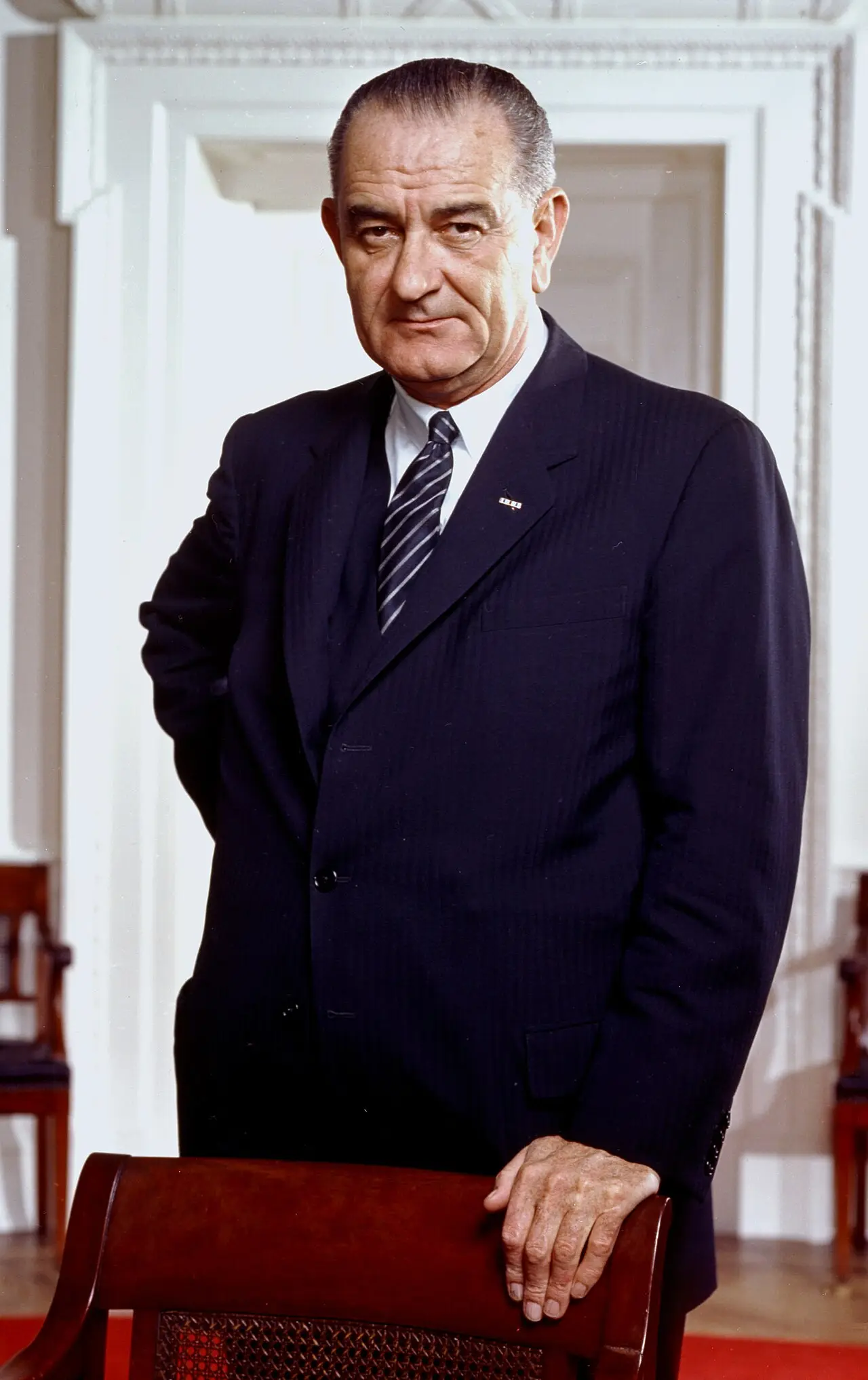
1966

Lyndon B. Johnson says the United States should stay in South Vietnam

Johnson told the public that American forces should remain in South Vietnam until what he called Communist aggression there had ended. The statement signalled that his administration would not withdraw while the war continued, deepening American involvement in Vietnam.

Arnold Newman · Public domain

Events

  1. 1976

    Security Council votes to let the PLO join a debate

    The Council voted 11 to 1 to let the Palestine Liberation Organization take part in a debate on the Middle East, though without a vote. The United States was the only member to oppose it, a sign of how contested the PLO's place in the UN still was.

  2. 1991

    US Congress authorises military force against Iraq over Kuwait

    Lawmakers in Washington approved American force to drive Iraqi troops out of Kuwait, which Saddam Hussein's army had seized in 1990. The vote came three days before a UN deadline expired, ahead of the air campaign that began on 17 January.

  3. 1616

    Portuguese captain founds Belém on the Amazon delta

    Captain Francisco Caldeira Castelo Branco set up the settlement on the Amazon delta for the Portuguese crown. It became the first European colony on the Amazon and is today the gateway to the river, also called the City of Mango Trees.

  4. 1876

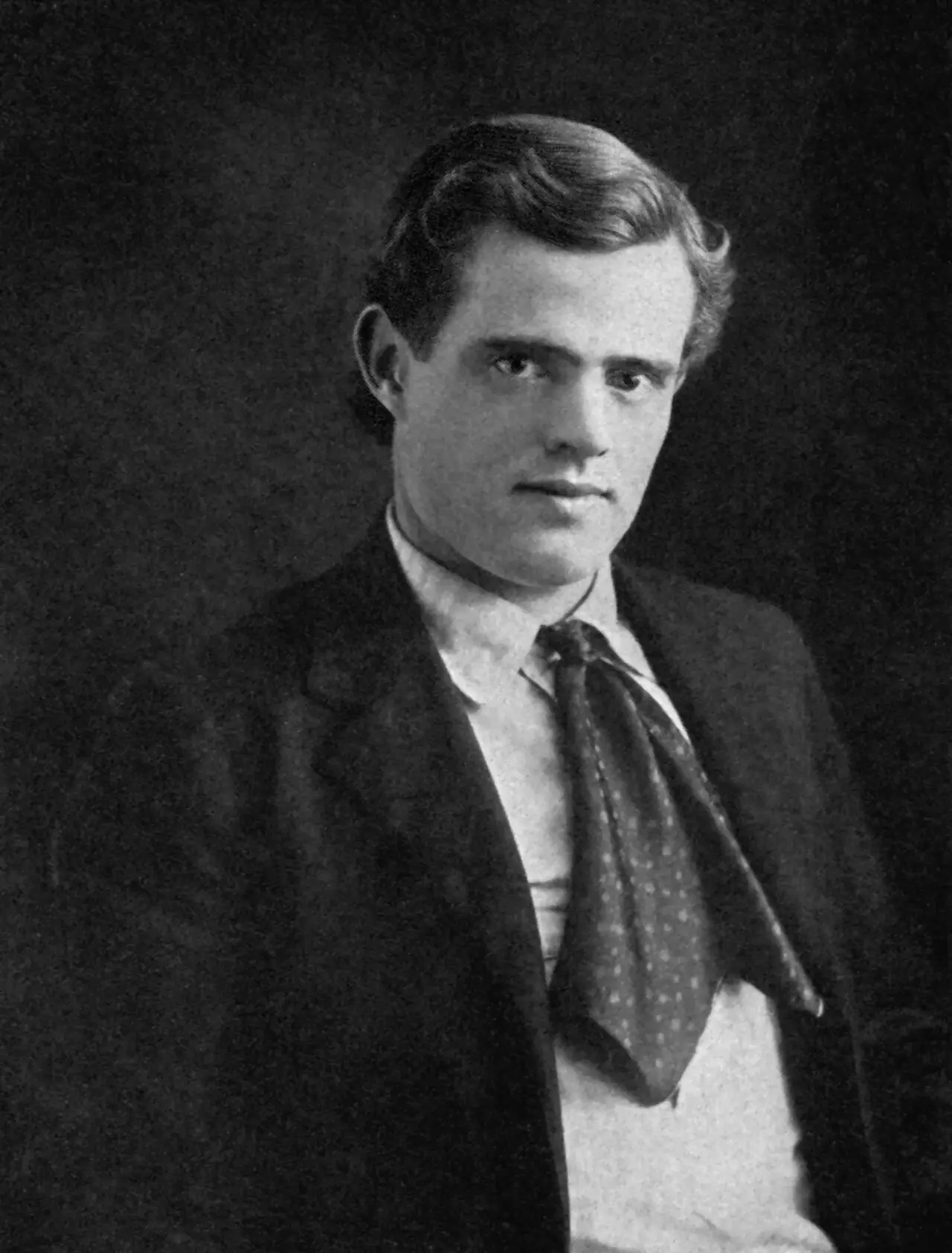
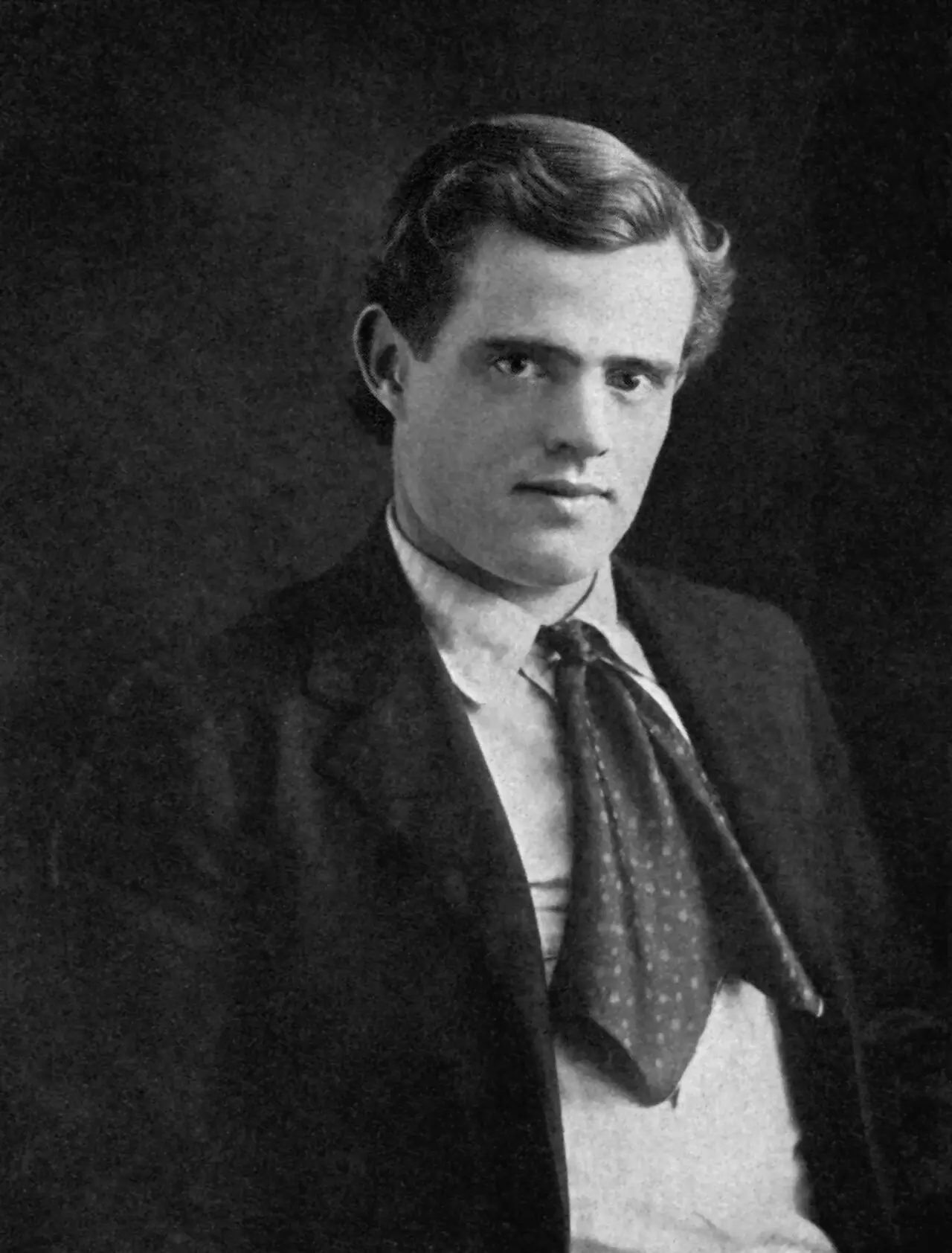
    Writer Jack London arrives in San Francisco

    Born John Griffith Chaney, he went on to write The Call of the Wild and White Fang, adventure novels set in the Klondike Gold Rush. He became one of the first American writers with an international following and a large fortune from his books.

    published by L C Page and Company Boston 1903 · Public domain
  5. 1915

    House of Representatives rejects women's suffrage amendment

    The House voted down a proposed constitutional amendment that would have forced every state to give women the vote. Votes for women across the country came later, through the Nineteenth Amendment.

  6. 2010

    Magnitude 7.0 earthquake severely damages Haiti

    In the app
  7. 475

    Zeno flees Constantinople as Basiliscus seizes the Byzantine throne

    In the app
  8. 1970

    Biafra surrenders, ending the Nigerian Civil War

    In the app

27 more events on January 12

For the full day, download Chunks today. Every date, the stories behind them, and a new day each morning. Free to start.

Born on January 12

80 more in the app
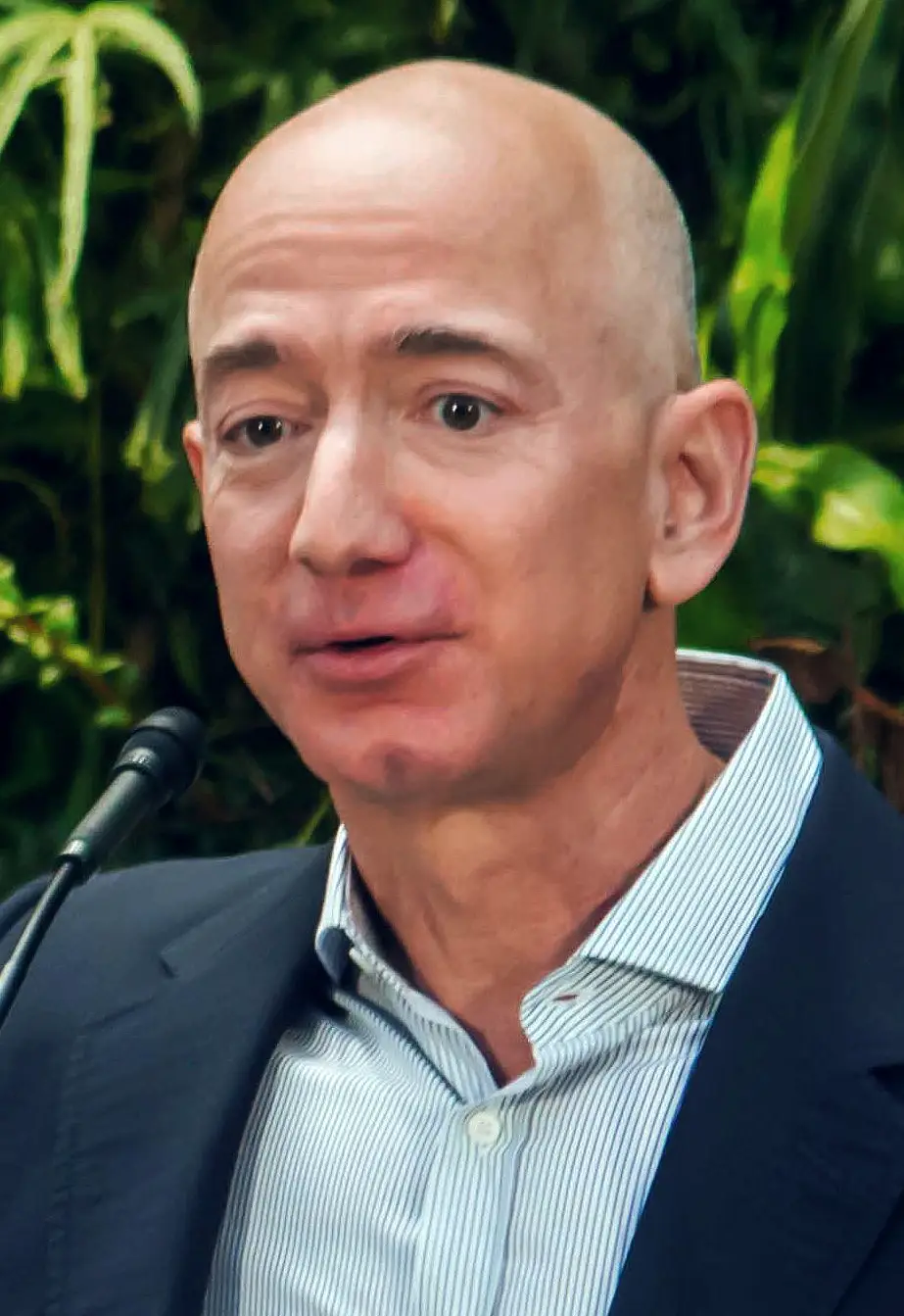
  • Jeff Bezos
    1964 · Computer scientist

    Jeff Bezos

    Bezos founded Amazon in 1994, starting with books sold online, and built it into the world's largest online retailer. He also started the space company Blue Origin and bought The Washington Post in 2013.

    Seattle City Council from Seattle · CC BY 2.0
  • Jack London
    1876 – 1916 · Writer

    Jack London

    Jack London was an American writer whose adventure novels, including The Call of the Wild and White Fang, drew on the Klondike Gold Rush. He was also a socialist campaigner whose work gained him wide fame and a large fortune.

    published by L C Page and Company Boston 1903 · Public domain

Died on January 12

53 more in the app
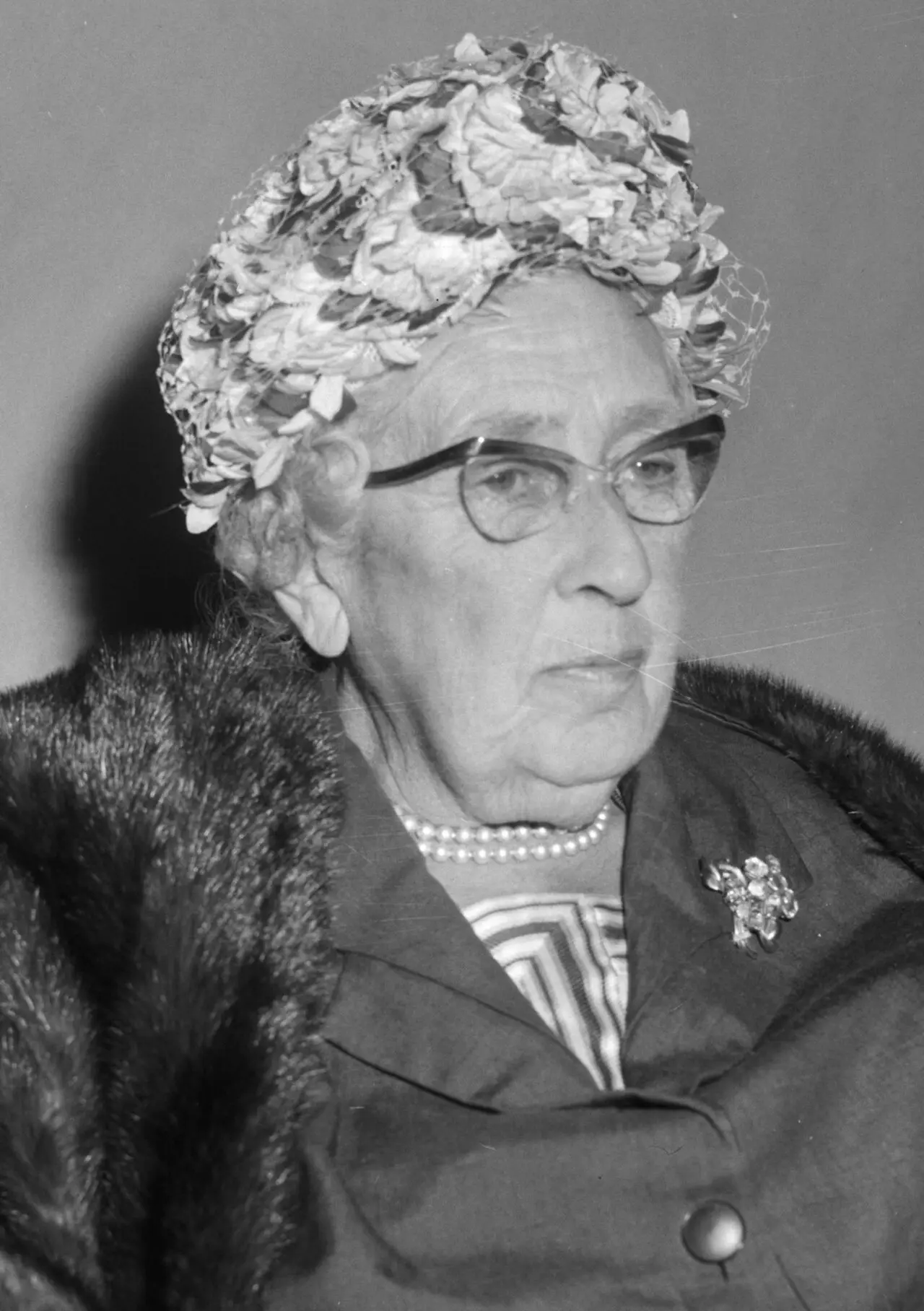
  • Agatha Christie
    1890 – 1976 · Writer

    Agatha Christie

    Agatha Christie created Hercule Poirot and Miss Marple, and her books have sold over two billion copies, making her the most widely read novelist ever. She wrote The Mousetrap, the longest-running play in the world, which has run in London's West End since 1952.

    Joop van Bilsen for Anefo · CC0
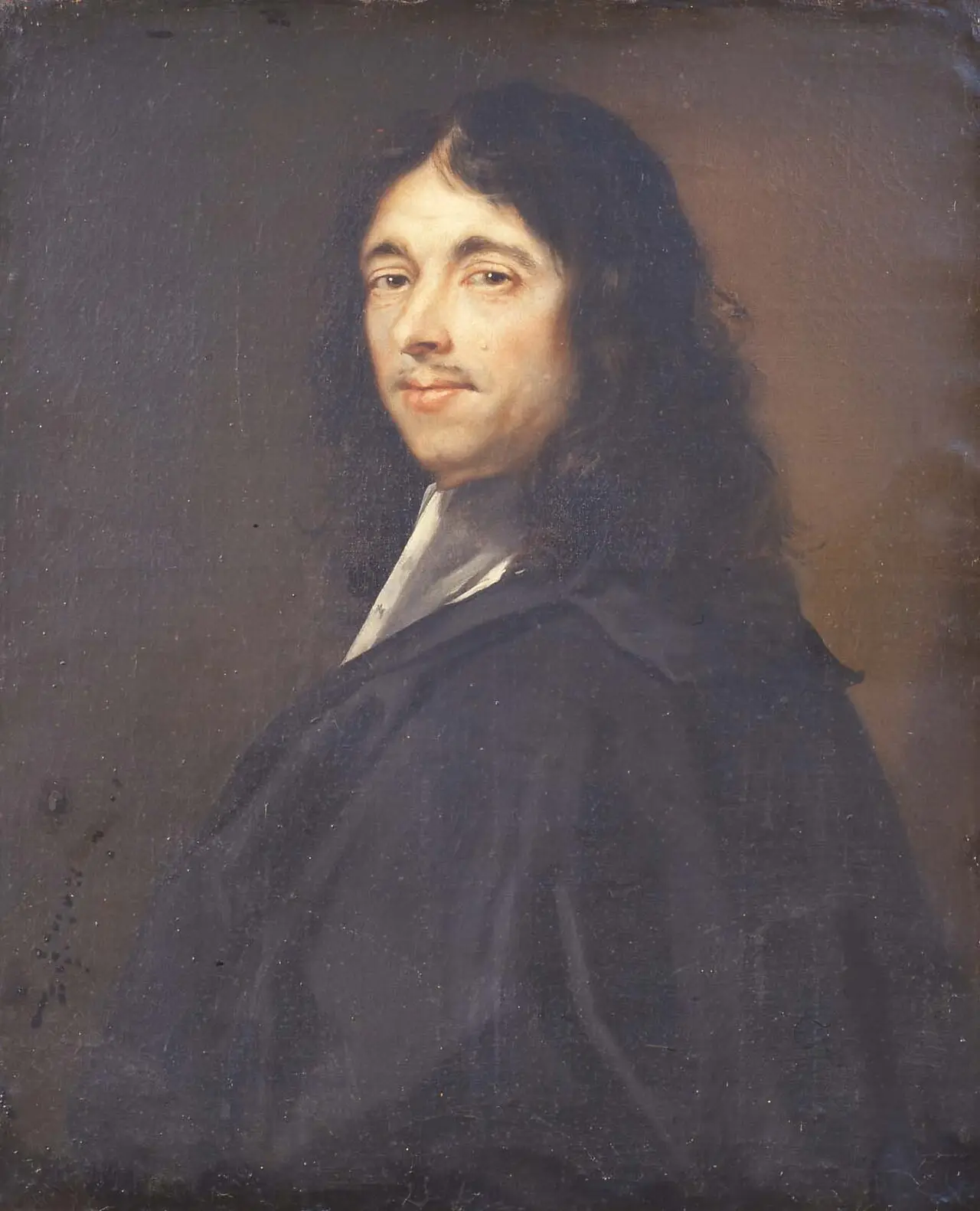
  • Pierre de Fermat
    1607 – 1665 · Mathematician

    Pierre de Fermat

    Pierre de Fermat was a French lawyer who did mathematics in his spare time. He is remembered for a margin note in a book about Diophantus, claiming a theorem he never wrote out in full.

    Rolland Lefebvre · Public domain
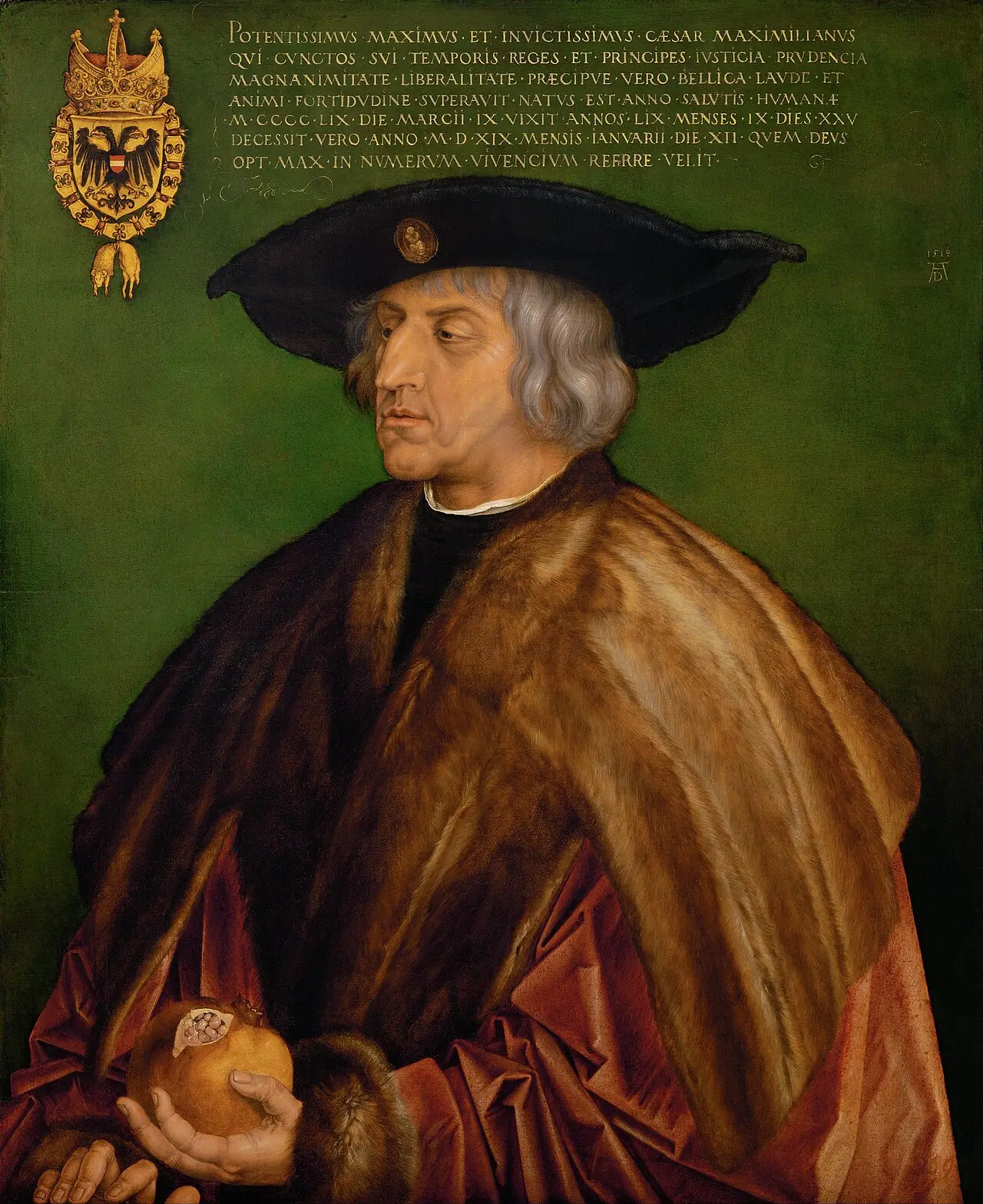
  • Maximilian I
    1459 – 1519 · Ruler

    Maximilian I

    Maximilian I ruled as Holy Roman Emperor without ever being crowned by the Pope, declaring himself emperor at Trento in 1508. He built Habsburg power across Europe, notably by securing Spain for his grandson Charles V, and was nicknamed the last knight.

    Albrecht Dürer · Public domain

Explore another day

Every date of the year has its own page. Try your birthday.