Skip to content

January 2
in history

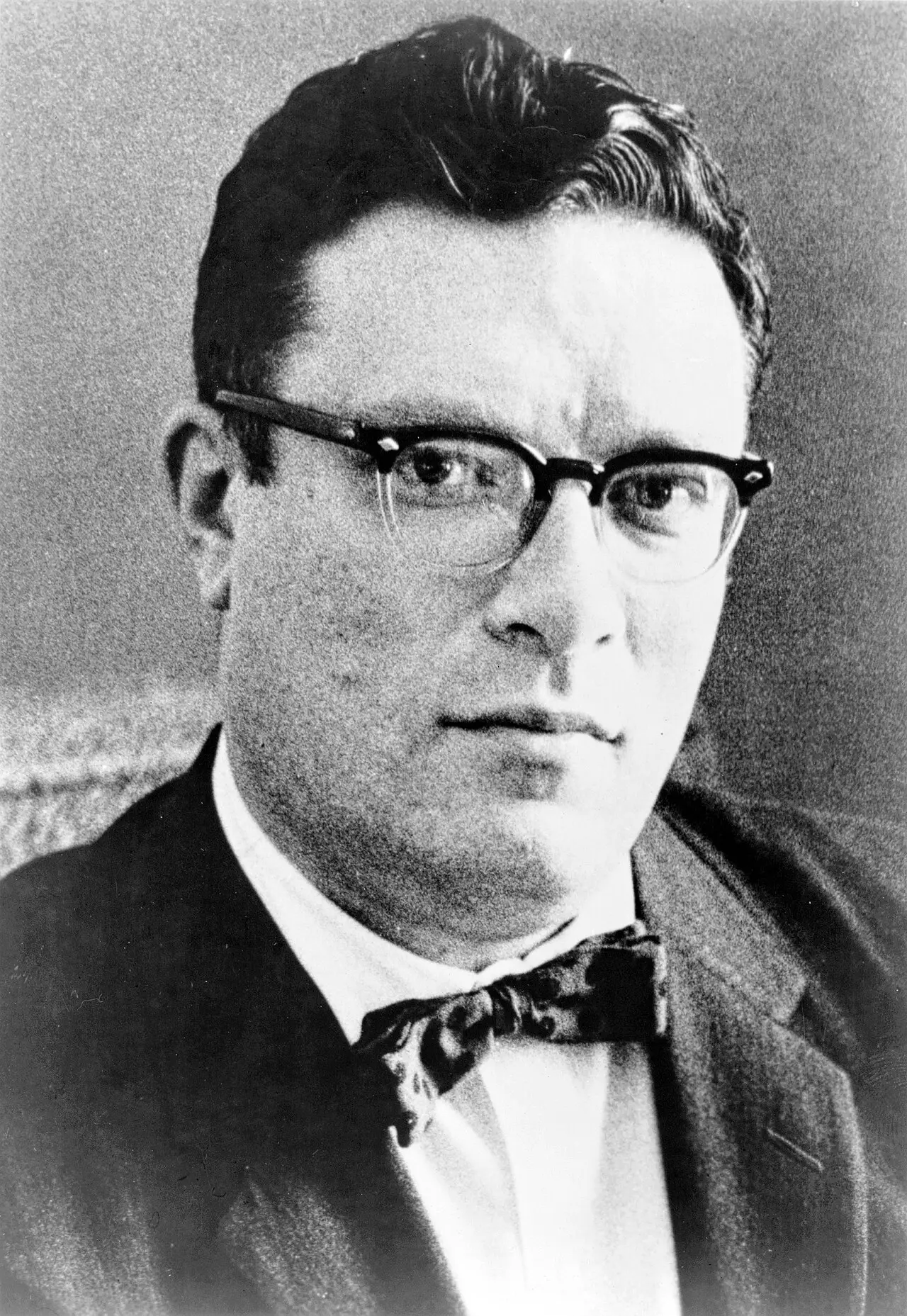
Maria Theresa abolishes torture across Habsburg Austria and Bohemia (1776), and Serial killer Peter Sutcliffe arrested in Sheffield (1981). Born on this day: Isaac Asimov, St. Thérèse of Lisieux and Rudolf Clausius. Died: Frederick William IV, Emil Jannings and Mohamed Siad Barre.

32 events, 61 births and 58 deaths on this date.

1776

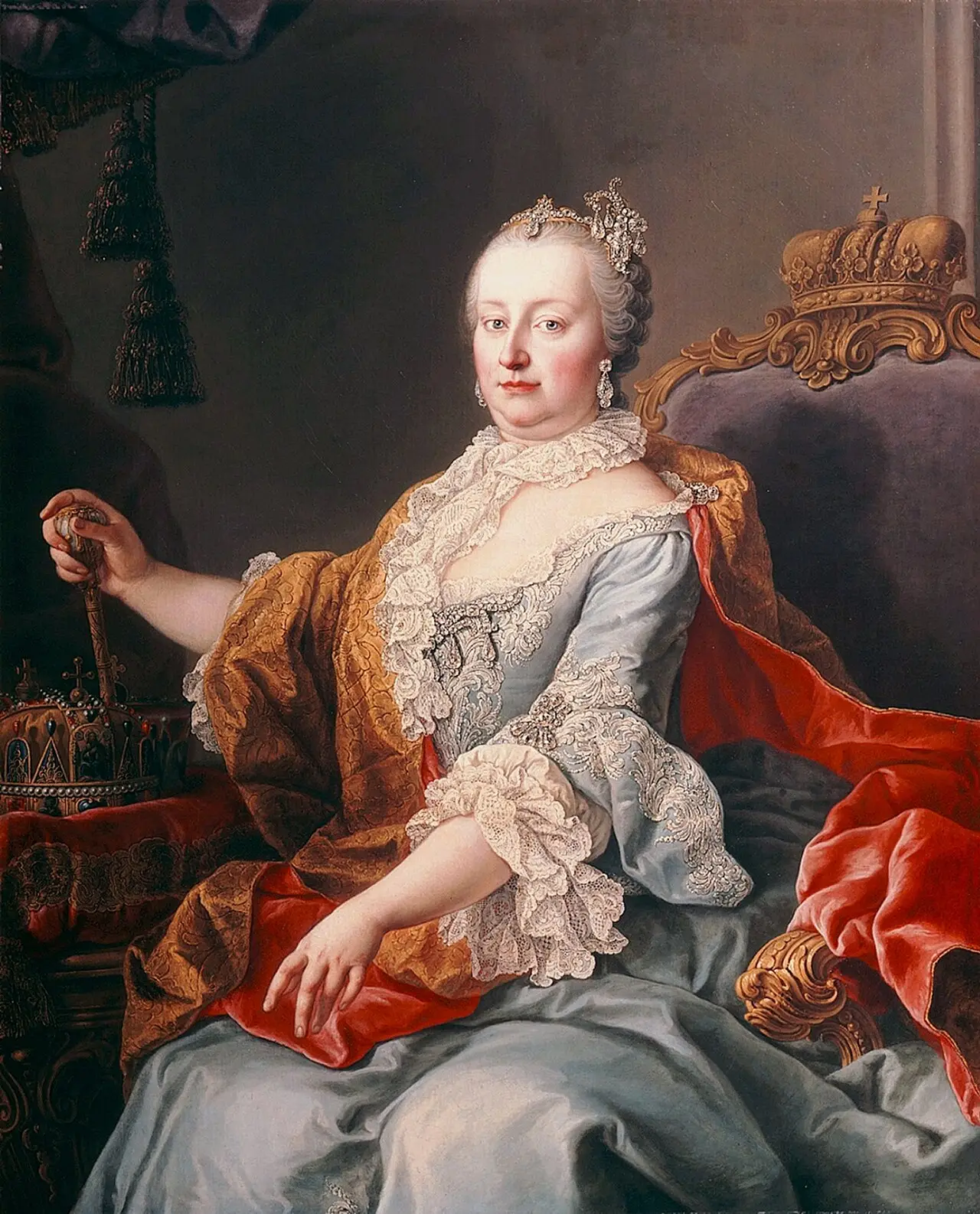
Maria Theresa abolishes torture across Habsburg Austria and Bohemia

Maria Theresa amended her criminal code, the Constitutio Criminalis Theresiana, to outlaw torture in her Austrian and Bohemian lands. She ruled the Habsburg monarchy for forty years and was its only woman sovereign in her own right.

Martin van Meytens · Public domain


Events

  1. 1981

    Serial killer Peter Sutcliffe arrested in Sheffield

    Police arrested Peter Sutcliffe in Sheffield, ending one of the largest investigations ever mounted by a British police force. The man known as the Yorkshire Ripper had killed women across northern England, and his capture closed the hunt for him.

  2. 1954

    India institutes Bharat Ratna and Padma Vibhushan honours

    Two new honours were created that day: Bharat Ratna and Padma Vibhushan. They sat at the top of India's system of civilian decorations, recognising service to the nation across many fields.

  3. 1955

    Panama's deputy president José Ramón Guizado is deposed

    Guizado had taken power after the assassination of president José Antonio Remón Cantera, but he was ousted within days once investigators linked him to the killing. The episode exposed deep rot in Panamanian politics in the mid-1950s.

  4. 1788

    Georgia ratifies the United States Constitution

    Georgia voted to adopt the new US Constitution, becoming the fourth state to do so and helping bring the document closer to taking effect. Ratification needed nine states, so each vote mattered in the young republic.

  5. 1942

    Japanese forces capture Manila in the Philippines

    Japanese troops took Manila early in the Second World War, giving them control of the Philippines' capital and much of the archipelago. The capture was a major step in Japan's campaign across the Pacific.

  6. 69

    Legions in Germania Superior proclaim Vitellius emperor

    In the app
  7. 533

    Mercurius, a Roman priest, is elected Pope John II

    In the app
  8. 366

    Alemanni cross the frozen Rhine into Roman territory

    In the app

26 more events on January 2

For the full day, download Chunks today. Every date, the stories behind them, and a new day each morning. Free to start.

Born on January 2

58 more in the app
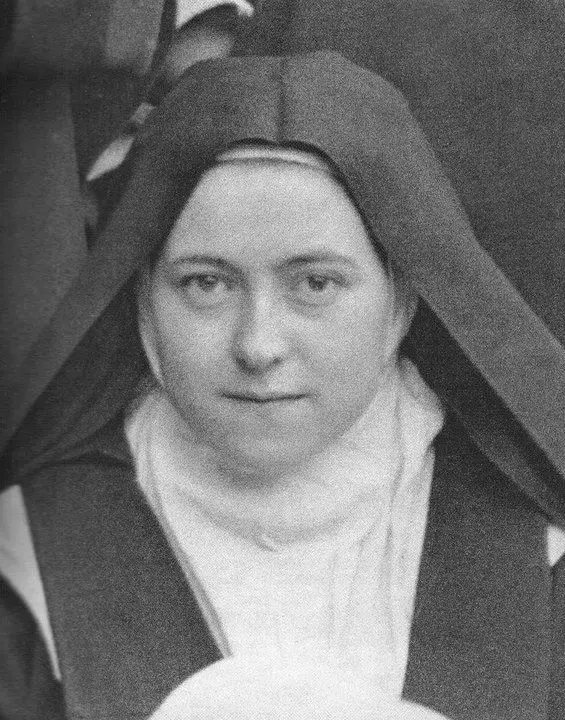
  • St. Thérèse of Lisieux
    1873 – 1897 · Theologian

    St. Thérèse of Lisieux

    A French Carmelite nun who died of tuberculosis at 24, she became a beloved saint after her memoir, The Story of a Soul, spread her simple Little Way of holiness. Pope John Paul II made her a Doctor of the Church in 1997.

    Céline Martin · Public domain
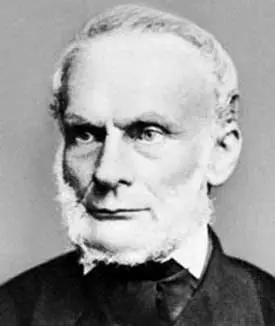
  • Rudolf Clausius
    1822 – 1888 · University teacher

    Rudolf Clausius

    Clausius was a mathematician and physicist from Prussia, one of the founders of thermodynamics, the science of heat and energy. He restated Sadi Carnot's principle on heat engines, and in 1865 he introduced entropy, a measure of energy's loss of usefulness.

    Unknown Unknown · Public domain

Died on January 2

55 more in the app
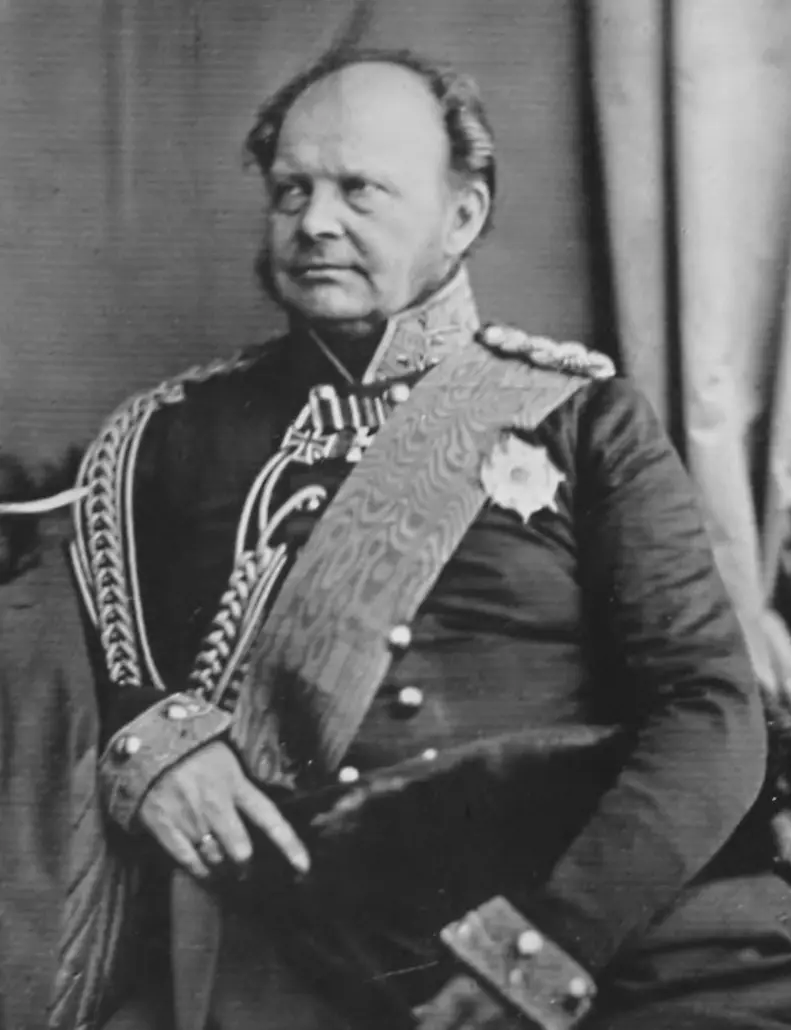
  • Frederick William IV
    1795 – 1861 · Politician

    Frederick William IV

    Frederick William IV was King of Prussia from 1840 until his death, a deeply religious monarch who ruled by divine right. He answered the revolutions of 1848 with a constitution he granted on his own terms, and he backed the completion of Cologne Cathedral.

    Hermann Biow · Public domain
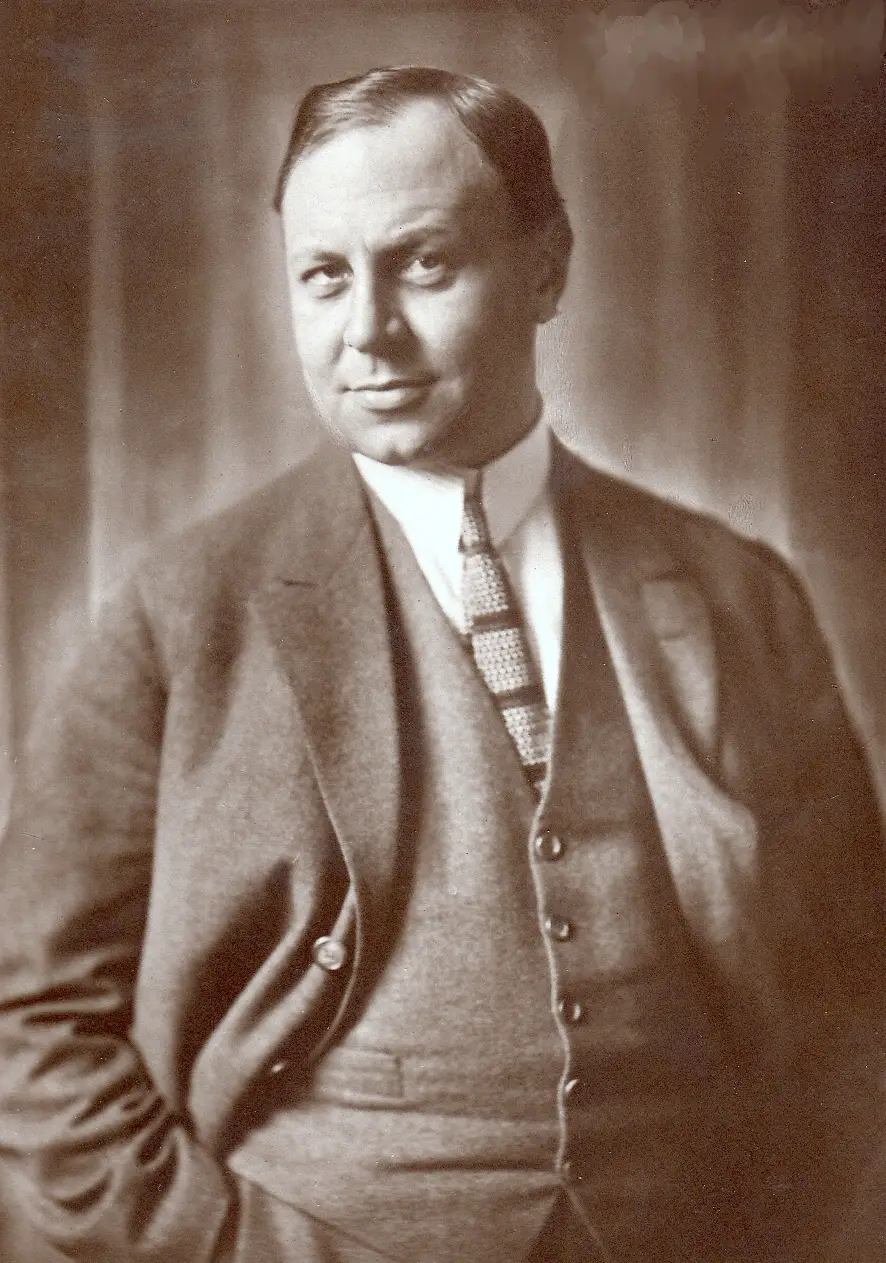
  • Emil Jannings
    1884 – 1950 · Actor

    Emil Jannings

    Swiss-born German actor who won the first Academy Award for Best Actor, and starred in The Blue Angel with Marlene Dietrich. He later took leading roles in state-commissioned films in Nazi Germany.

    Unknown author Unknown author · Public domain
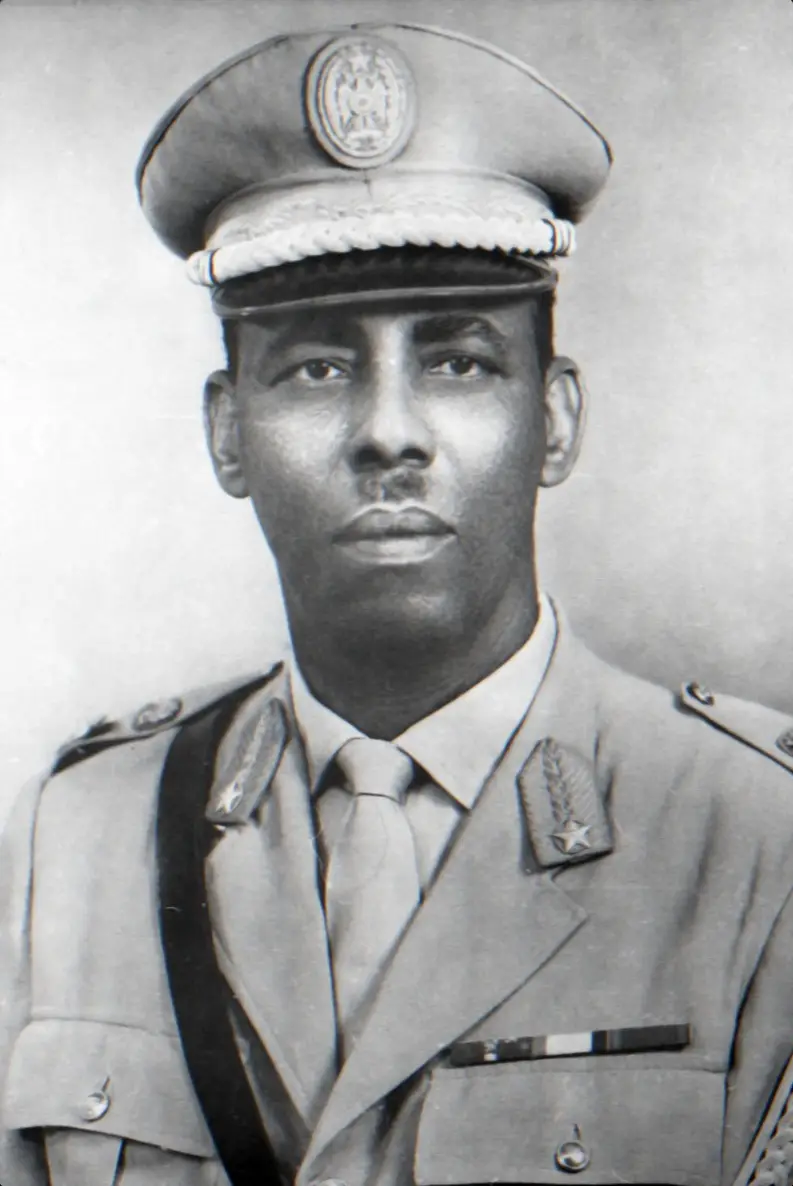
  • Mohamed Siad Barre
    1919 – 1995 · Politician

    Mohamed Siad Barre

    Barre ruled Somalia for over twenty years after seizing power in a 1969 coup, turning it into a one-party Marxist state. He was ousted in 1991, and the country's collapse that followed left it without a stable government for decades.

    Government of Somalia · Public domain

Explore another day

Every date of the year has its own page. Try your birthday.