
275
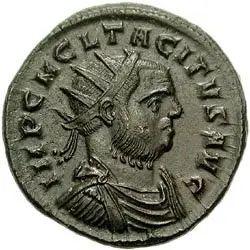
The Roman Senate elects Marcus Claudius Tacitus as emperor
The Senate chose Tacitus as emperor, the last time it made such a choice. He was a senator in his seventies and reigned only a few months before dying in 276.
CC BY-SA 3.0The Roman Senate elects Marcus Claudius Tacitus as emperor (275), and Algeria is formally proclaimed a republic (1962). Born on this day: Will Smith, Lu Xun and William Faulkner. Died: Wangari Maathai, Erich Maria Remarque and Clement VII.
28 events, 85 births and 72 deaths on this date.
The Senate chose Tacitus as emperor, the last time it made such a choice. He was a senator in his seventies and reigned only a few months before dying in 276.
CC BY-SA 3.0Algeria became an independent republic after years of war with France. Ferhat Abbas, a pharmacist turned nationalist leader, was chosen to head its first provisional government.
Belize, which had won independence from Britain only four days earlier, became a member of the United Nations. It was the newest sovereign state in Central America to take its seat at the world body.
Representatives signed the founding charter of what became the Organisation of Islamic Cooperation, then known as the Organisation of the Islamic Conference. Today its 57 member states, 48 of them Muslim-majority, describe it as the collective voice of the Muslim world.
Following the murder of Emperor Aurelian, the Senate turned to Tacitus to take the imperial throne. Aurelian had spent his short reign reuniting an empire that had come close to falling apart, so the choice of successor mattered a great deal.
Soldiers from the United States Army escorted nine Black students through a hostile crowd so they could attend Central High School. The move, ordered by President Eisenhower, forced desegregation of a Southern school after the state's governor had tried to block it.

For the full day, download Chunks today. Every date, the stories behind them, and a new day each morning. Free to start.
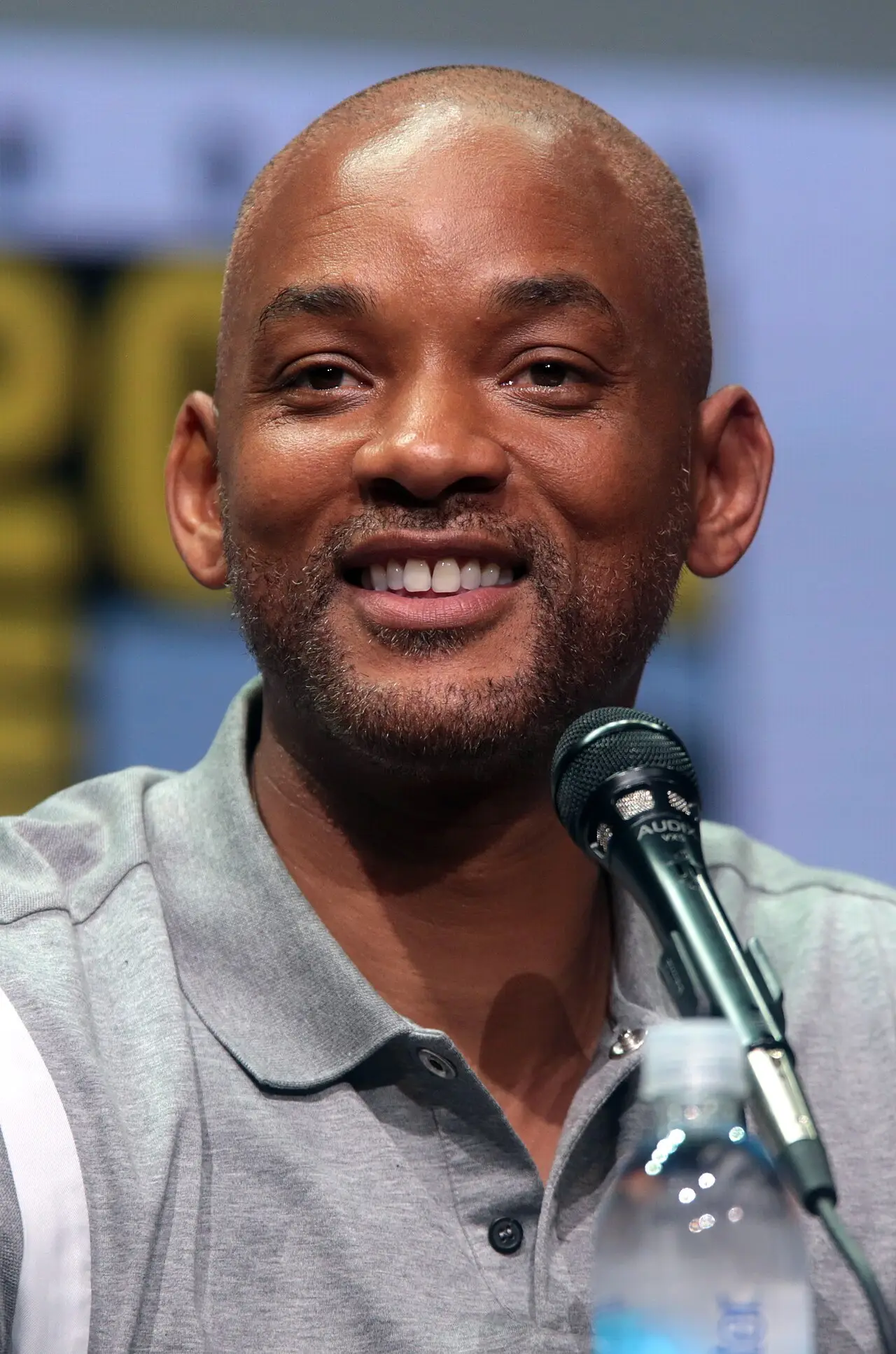
American actor, rapper and film producer who first found fame as the Fresh Prince on the NBC sitcom The Fresh Prince of Bel-Air. He later became one of Hollywood's biggest leading men and won an Academy Award for playing Richard Williams in King Richard.
Gage Skidmore · CC BY-SA 3.0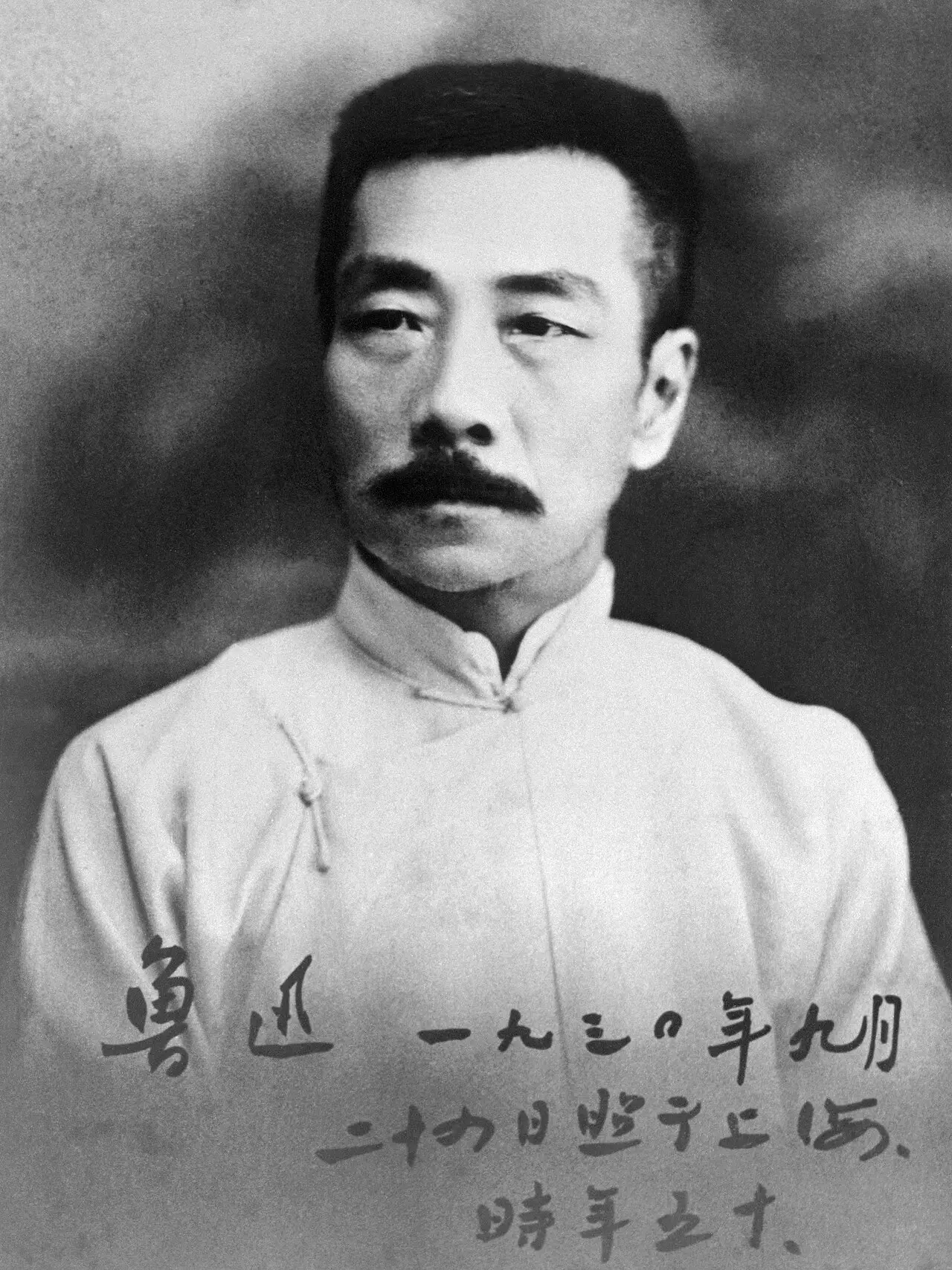
Lu Xun was a Chinese writer whose sharp, satirical essays and stories helped shape modern Chinese literature. He is remembered for Diary of a Madman, published in 1918, which is widely counted as the first novel written in vernacular Chinese.
Unknown author Unknown author · Public domain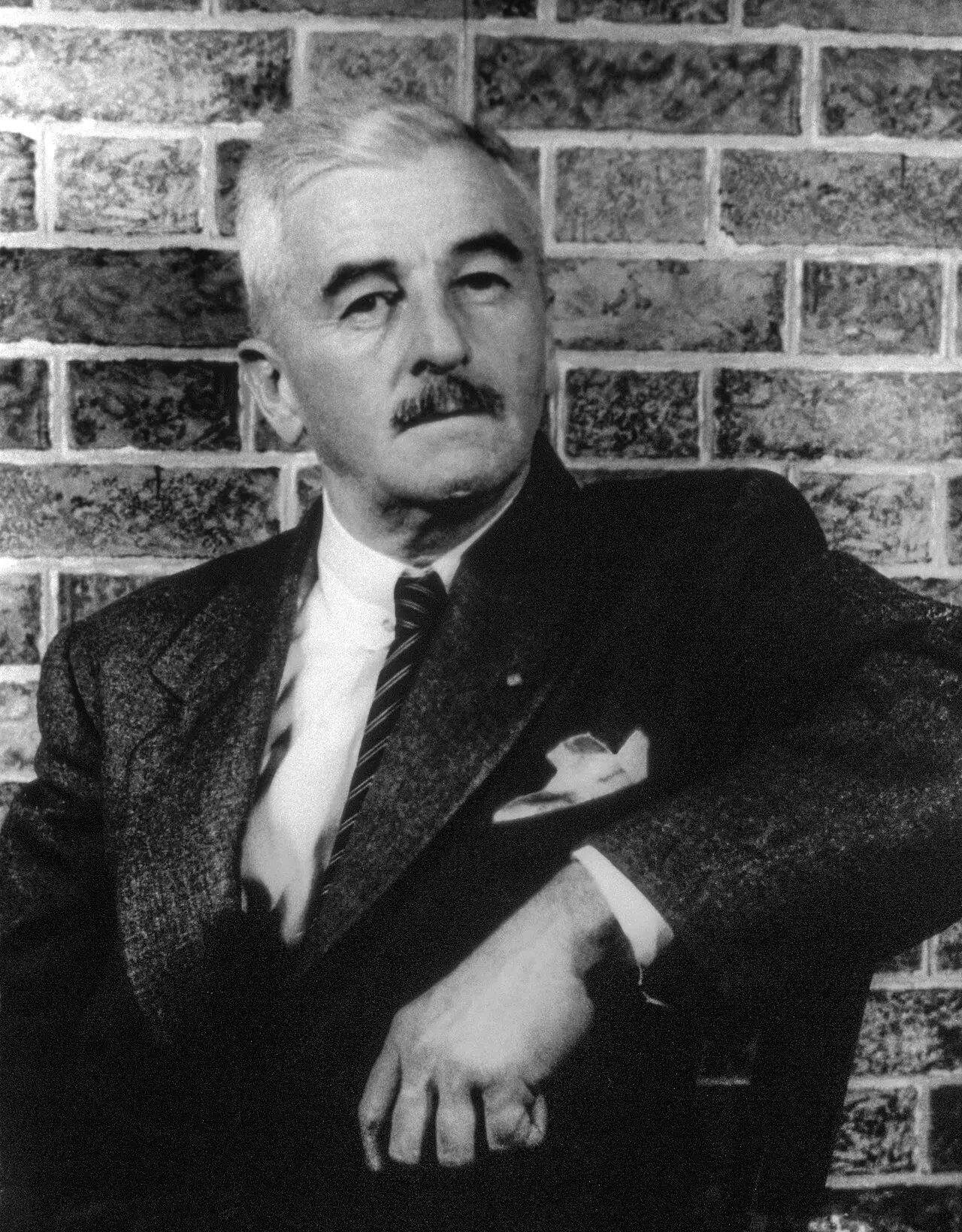
Faulkner set most of his novels and stories in the invented Yoknapatawpha County, Mississippi, drawing on the land where he grew up. He won the 1949 Nobel Prize in Literature and is often called the greatest writer of Southern American fiction.
Carl Van Vechten · Public domain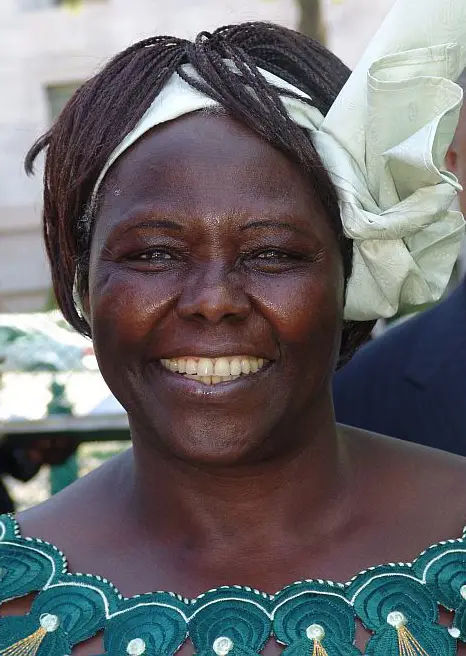
Kenyan environmentalist who founded the Green Belt Movement, a grassroots tree-planting campaign that also championed women's rights. In 2004 she became the first African woman to receive the Nobel Peace Prize, and she died of ovarian cancer in 2011.
Kingkongphoto & www.celebrity-photos.com from Laurel Maryland, USA · CC BY-SA 2.0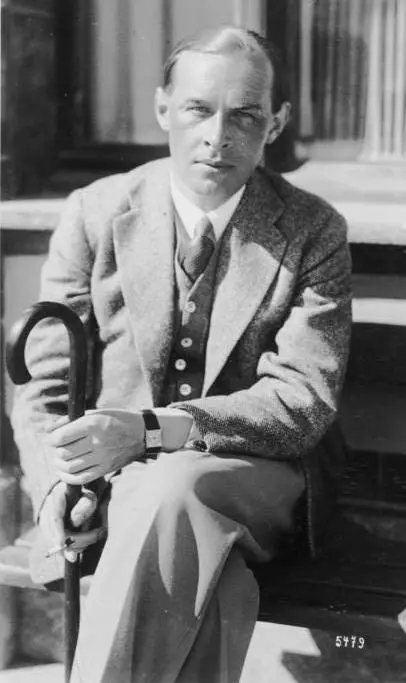
German novelist remembered for All Quiet on the Western Front, a 1928 war novel drawn from his own service in the First World War. Its anti-war stance drew condemnation from the Nazis, and he later settled in the United States.
Unknown author Unknown author · CC BY-SA 3.0 de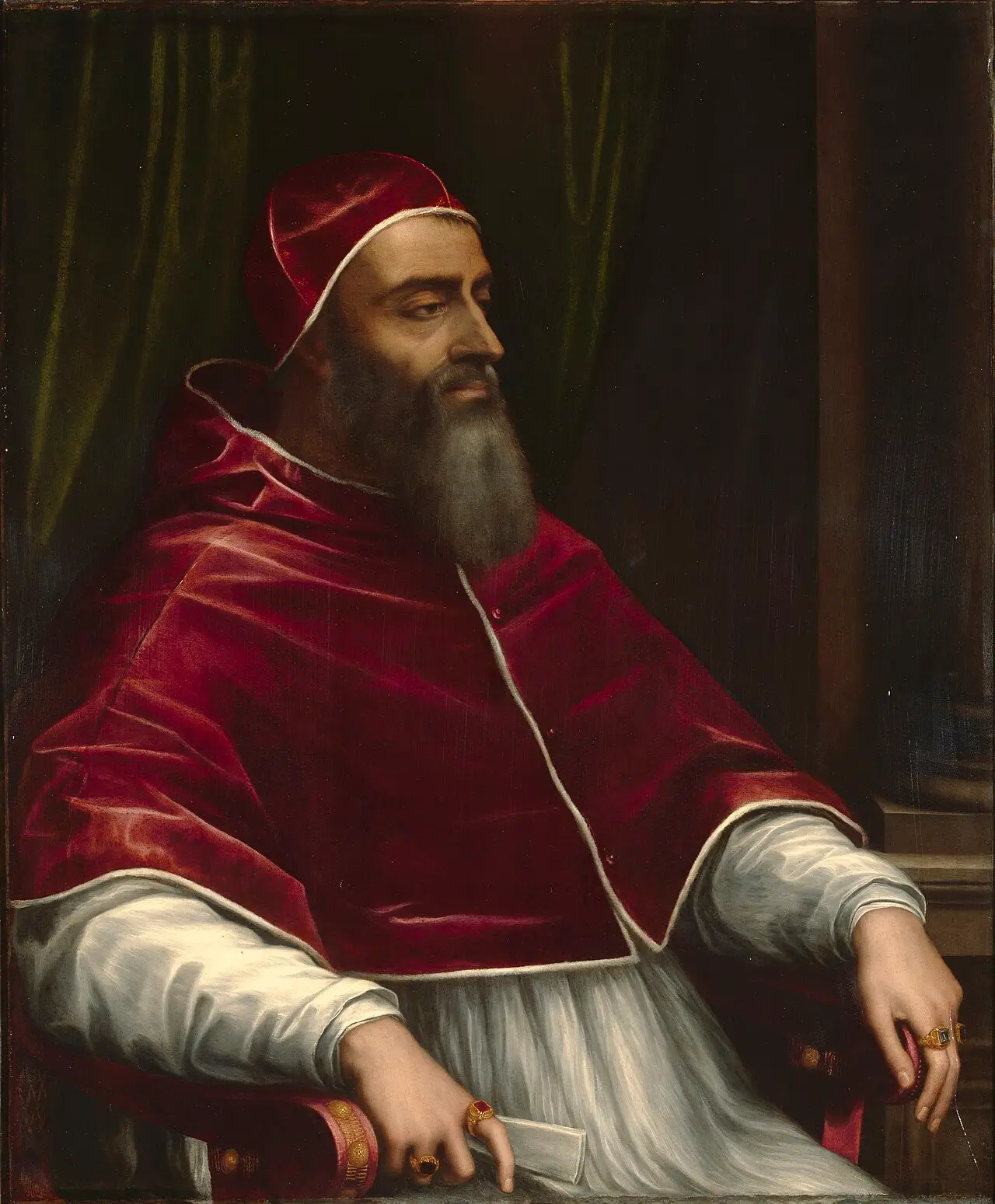
Giulio de' Medici led the Catholic Church through the Reformation and the Sack of Rome, a reign marked by crisis after crisis. Earlier, as a statesman in Florence and papal adviser, he had built a reputation for skill that his papacy struggled to live up to.
Sebastiano del Piombo · Public domain Download on iOS
 Download on Android