Skip to content

March 3
in history

First issue of Time magazine published in New York (1923), and Florida becomes the 27th state of the United States (1845). Born on this day: Alexander Graham Bell, Georg Cantor and Jean Harlow. Died: Ōe Kenzaburō, Robert Hooke and Aurangzeb.

31 events, 63 births and 60 deaths on this date.

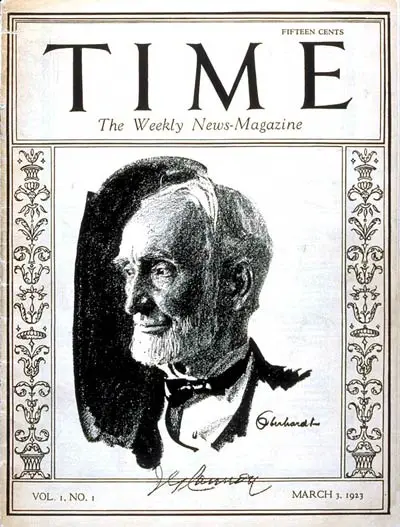
1923

First issue of Time magazine published in New York

Time, the American news magazine, first appeared from New York under co-founder Henry Luce, who guided it for many years. Today it belongs to Salesforce founder Marc Benioff, who bought it from Meredith Corporation in 2018.

William Oberhardt · Public domain

Events

  1. 1845

    Florida becomes the 27th state of the United States

    On this day in 1845, Florida joined the Union as its twenty-seventh member, having spent centuries under Spanish and then American control. The peninsula's long coastline and warm climate shaped much of its early settlement and later growth.

  2. 1939

    Gandhi begins a hunger strike against autocratic rule

    Gandhi went without food to challenge autocratic governance, a method he relied on throughout his campaign for Indian independence. Fasting was central to his approach of nonviolent resistance, which drew wide attention to his cause.

  3. 1938

    Oil is discovered in Saudi Arabia

    Prospectors working in the kingdom struck oil, a find that would later transform it into one of the world's largest producers. Its wealth from that discovery went on to shape the country's economy and its place in global energy markets.

  4. 1820

    Congress passes the Missouri Compromise

    Congress agreed to admit Missouri as a slave state and Maine as a free state, keeping the number of slave and free states in the Senate level. The deal delayed sectional conflict over slavery for decades, until the 1850s.

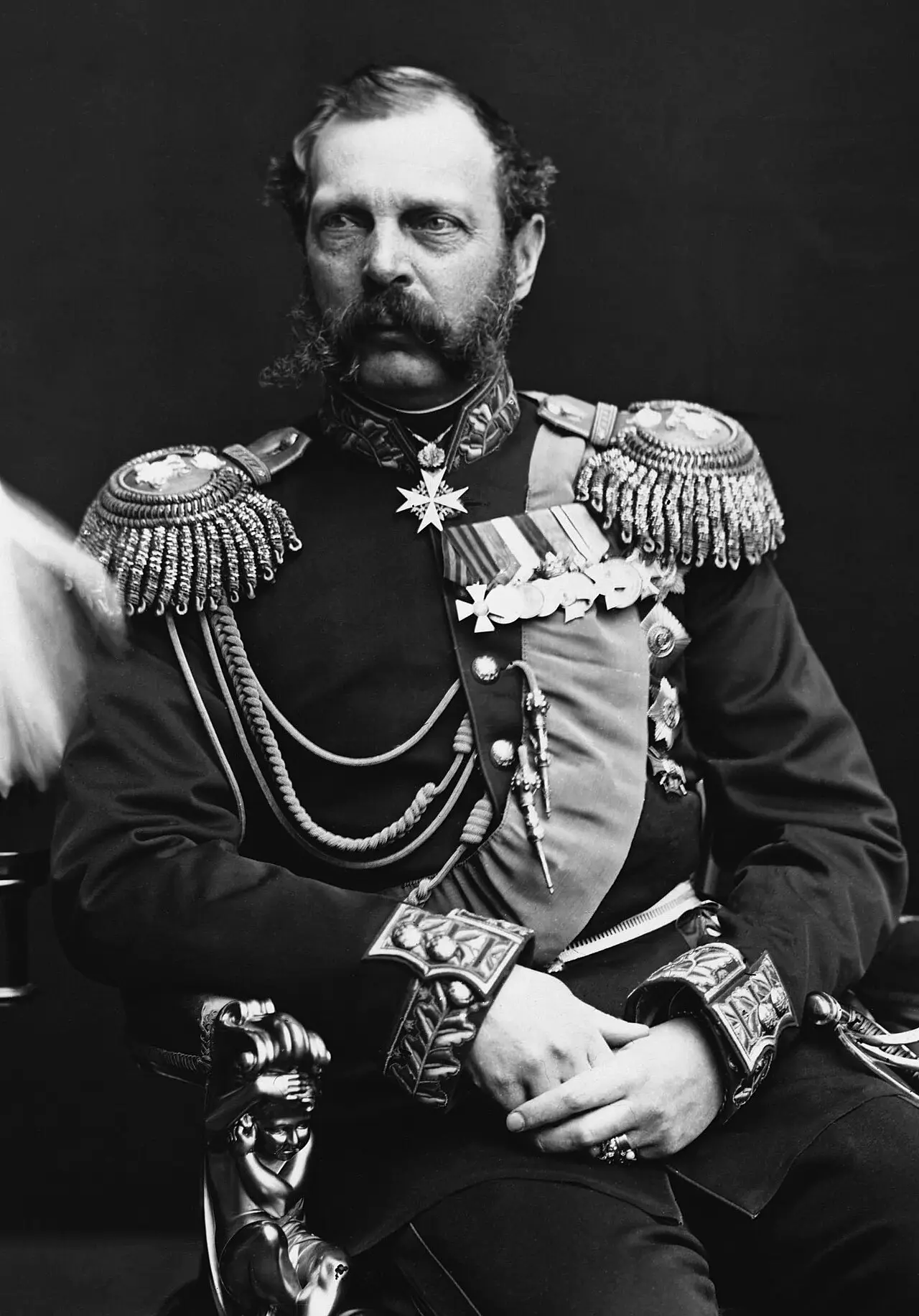
  5. 1861

    Alexander II signs the Emancipation Manifesto, freeing Russia's serfs

    Tsar Alexander II put his name to the decree that ended serfdom across the Russian Empire, a move that earned him the nickname Alexander the Liberator. Many of his other reforms were later rolled back, but the emancipation itself remained in place.

    Attributed to W. & D. Downey · Public domain
  6. 1878

    Russo-Turkish War ends with the Treaty of San Stefano

    In the app
  7. 1875

    Bizet's Carmen premieres at the Opéra-Comique in Paris

    In the app
  8. 1918

    Russia signs the Treaty of Brest-Litovsk, leaving the war

    In the app

25 more events on March 3

For the full day, download Chunks today. Every date, the stories behind them, and a new day each morning. Free to start.

Born on March 3

60 more in the app
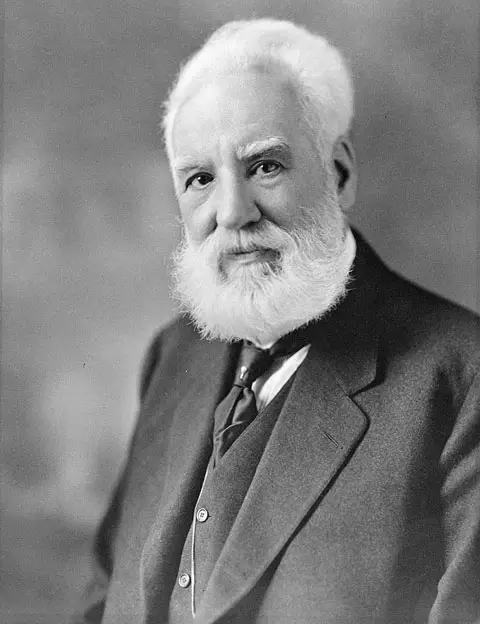
  • Alexander Graham Bell
    1847 – 1922 · Physicist

    Alexander Graham Bell

    A Scottish-born inventor who later lived in Canada and the United States, Bell is best known for the telephone, which he patented. He also helped found the company AT&T and served as second president of the National Geographic Society.

    Moffett Studio · Public domain
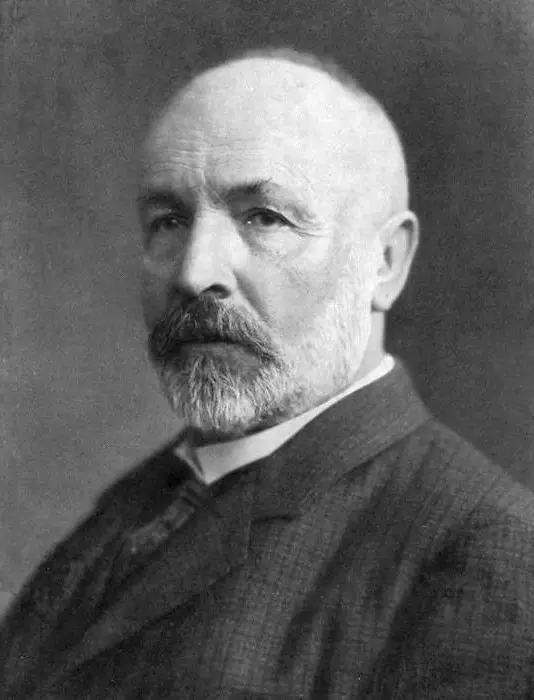
  • Georg Cantor
    1845 – 1918 · Mathematician

    Georg Cantor

    Cantor founded set theory, the branch of mathematics that treats collections of objects, and showed that infinity comes in different sizes. His ideas were first met with hostility, yet they reshaped how mathematicians think about the infinite.

    Unknown author Unknown author · Public domain
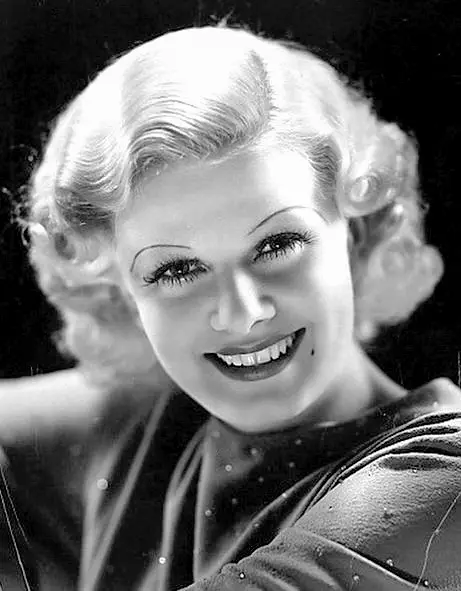
  • Jean Harlow
    1911 – 1937 · Film actor

    Jean Harlow

    Born Harlean Carpenter, she became the leading sex symbol of early 1930s Hollywood, known for her comic "bad girl" roles. Her career was short, but she is remembered as one of the defining stars of the pre-Code era.

    studio · Public domain

Died on March 3

57 more in the app
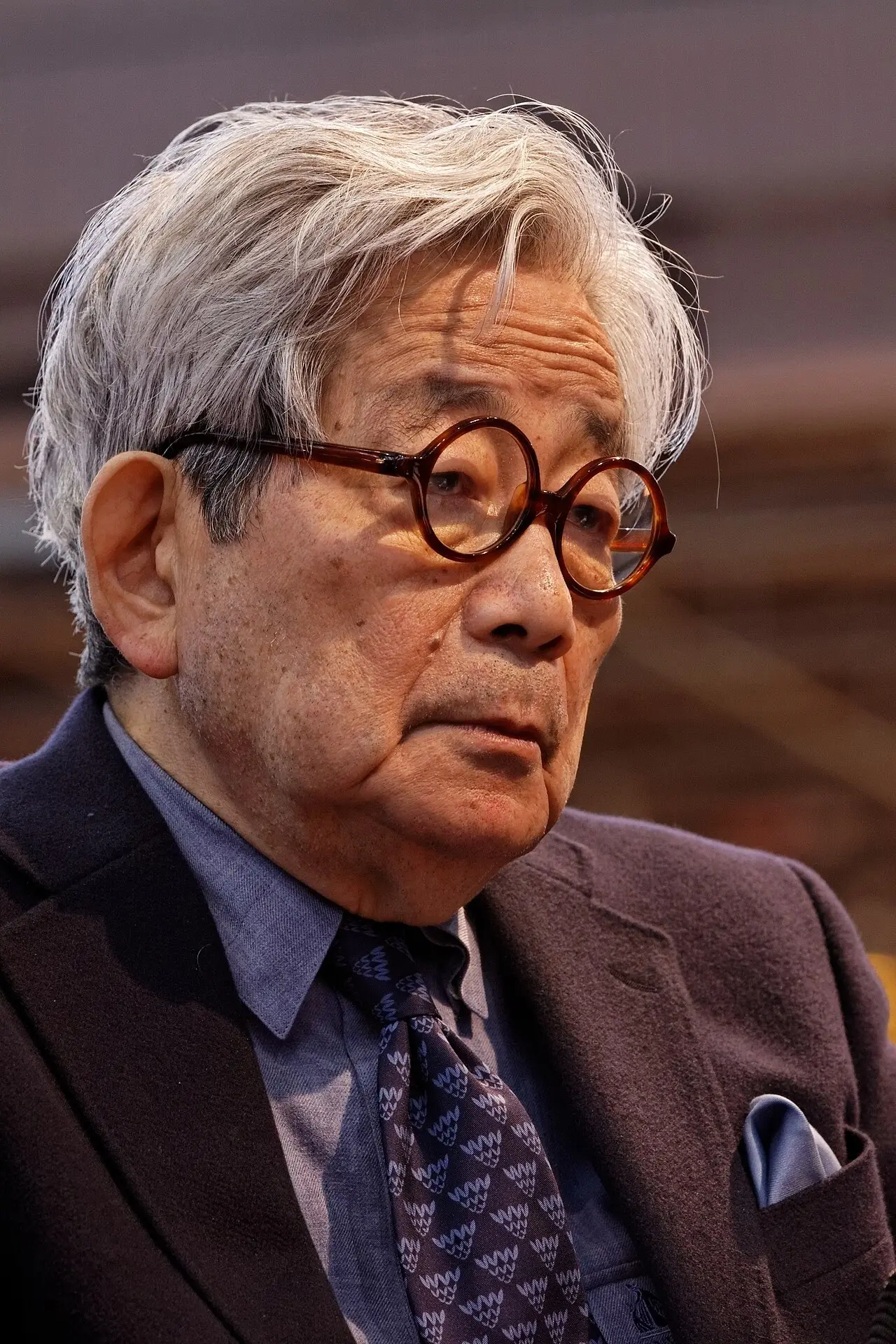
  • Ōe Kenzaburō
    1935 – 2023 · Novelist

    Ōe Kenzaburō

    Japanese novelist and essayist whose fiction tackled nuclear weapons, nuclear power and personal anguish. He won the Nobel Prize in Literature in 1994, becoming only the second Japanese writer to receive it.

    Thesupermat · CC BY-SA 3.0
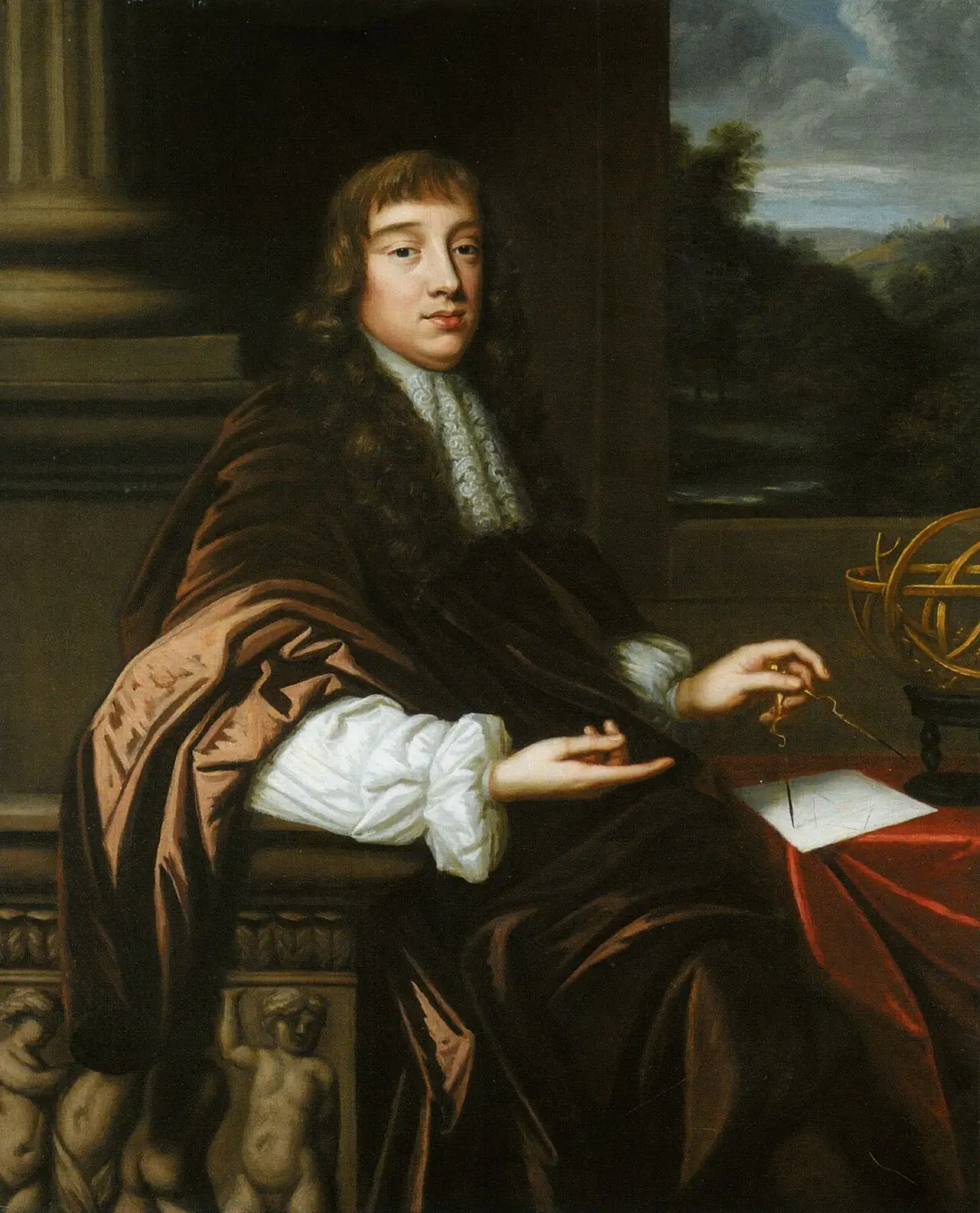
  • Robert Hooke
    1635 – 1703 · Architect

    Robert Hooke

    Hooke was an English polymath who built the vacuum pumps for Robert Boyle's gas experiments and coined the term cell in his 1665 book Micrographia. After the Great Fire of London he became a leading surveyor and architect in the city's rebuilding.

    Mary Beale · Public domain
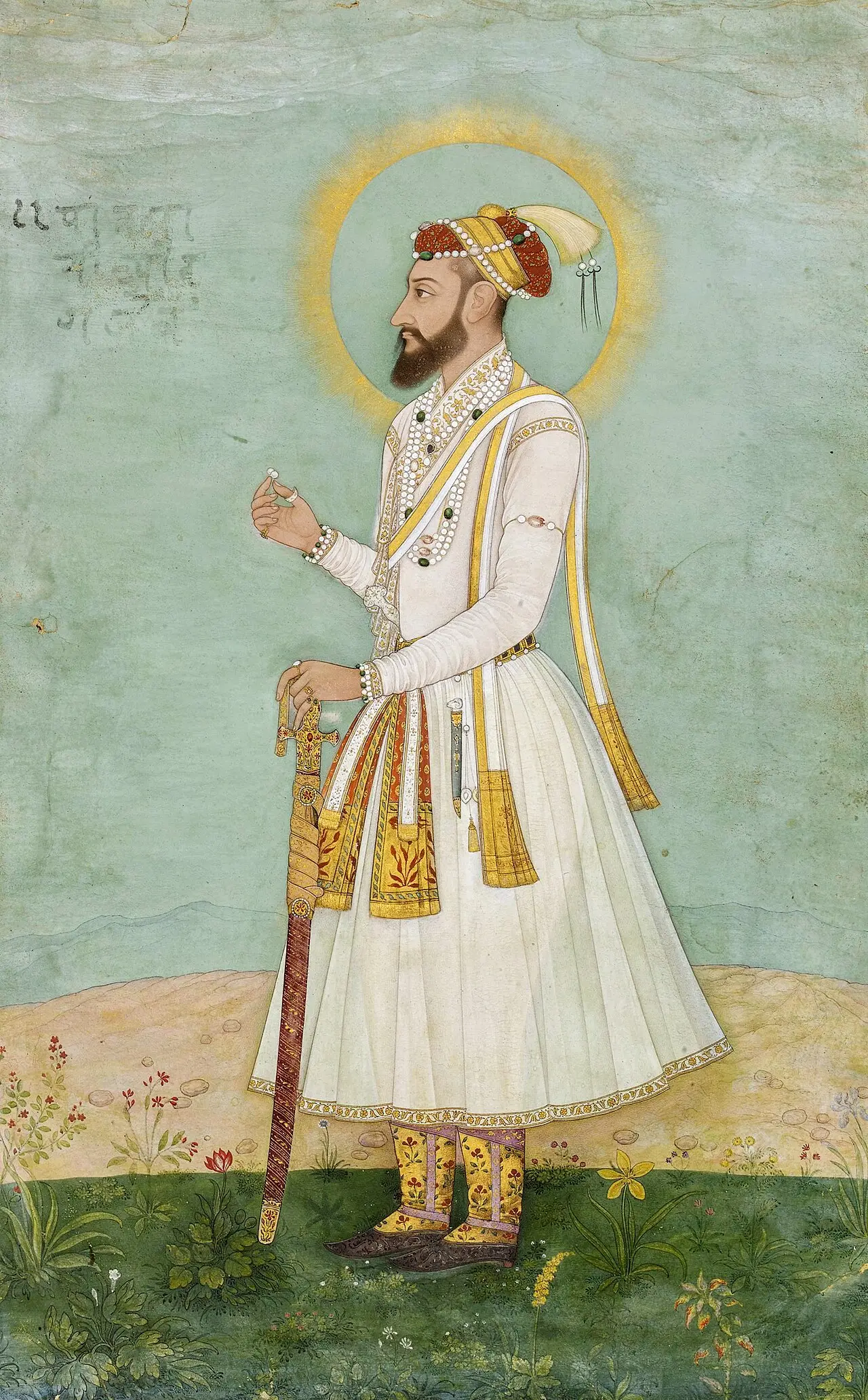
  • Aurangzeb
    1618 – 1707 · Monarch

    Aurangzeb

    Aurangzeb ruled the Mughal Empire for almost fifty years, presiding over its greatest territorial extent across nearly the whole Indian subcontinent. He imprisoned his father, Shah Jahan, in Agra Fort after seizing the throne through a series of military victories.

    Unknown author Unknown author · Public domain

Explore another day

Every date of the year has its own page. Try your birthday.