Skip to content

December 10
in history

Edmond Halley presents Newton's orbital paper to Royal Society (1684), and Winston Churchill wins the Nobel literature prize (1953). Born on this day: Ada Lovelace, Emily Dickinson and Nelly Sachs. Died: Alfred Nobel, Luigi Pirandello and Augusto Pinochet.

29 events, 64 births and 72 deaths on this date.

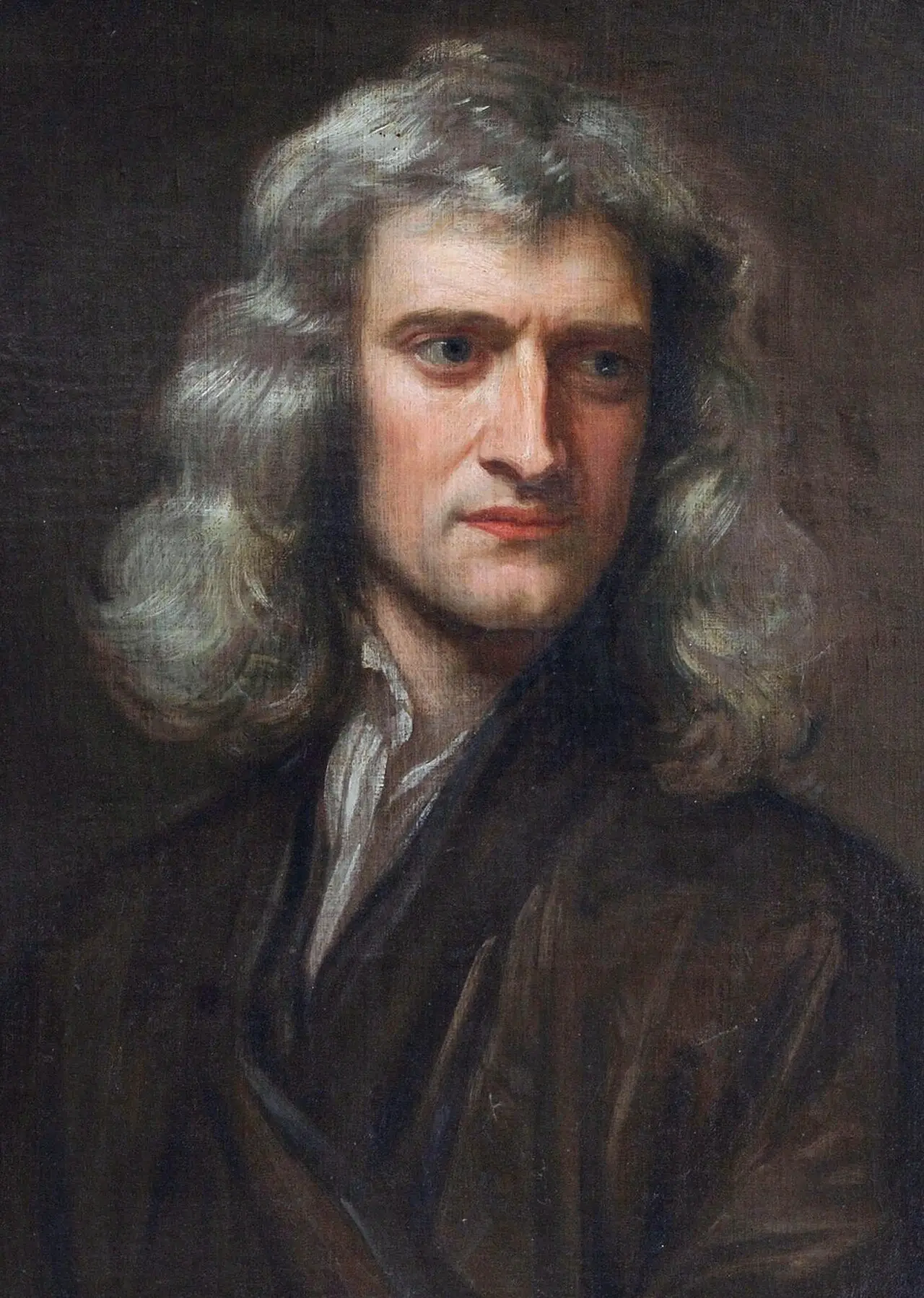
1684

Edmond Halley presents Newton's orbital paper to Royal Society

Halley reads out a paper in which Isaac Newton shows that his theory of gravity accounts for the orbits Johannes Kepler had described. It belongs to the work that became the Principia, published in 1687.

Godfrey Kneller · Public domain
Events

  1. 1953

    Winston Churchill wins the Nobel literature prize

    Still prime minister, Churchill was honoured by the Swedish Academy with the literature prize, a choice that surprised many who knew him as a wartime leader. The award praised his histories, biographies and speeches.

  2. 1996

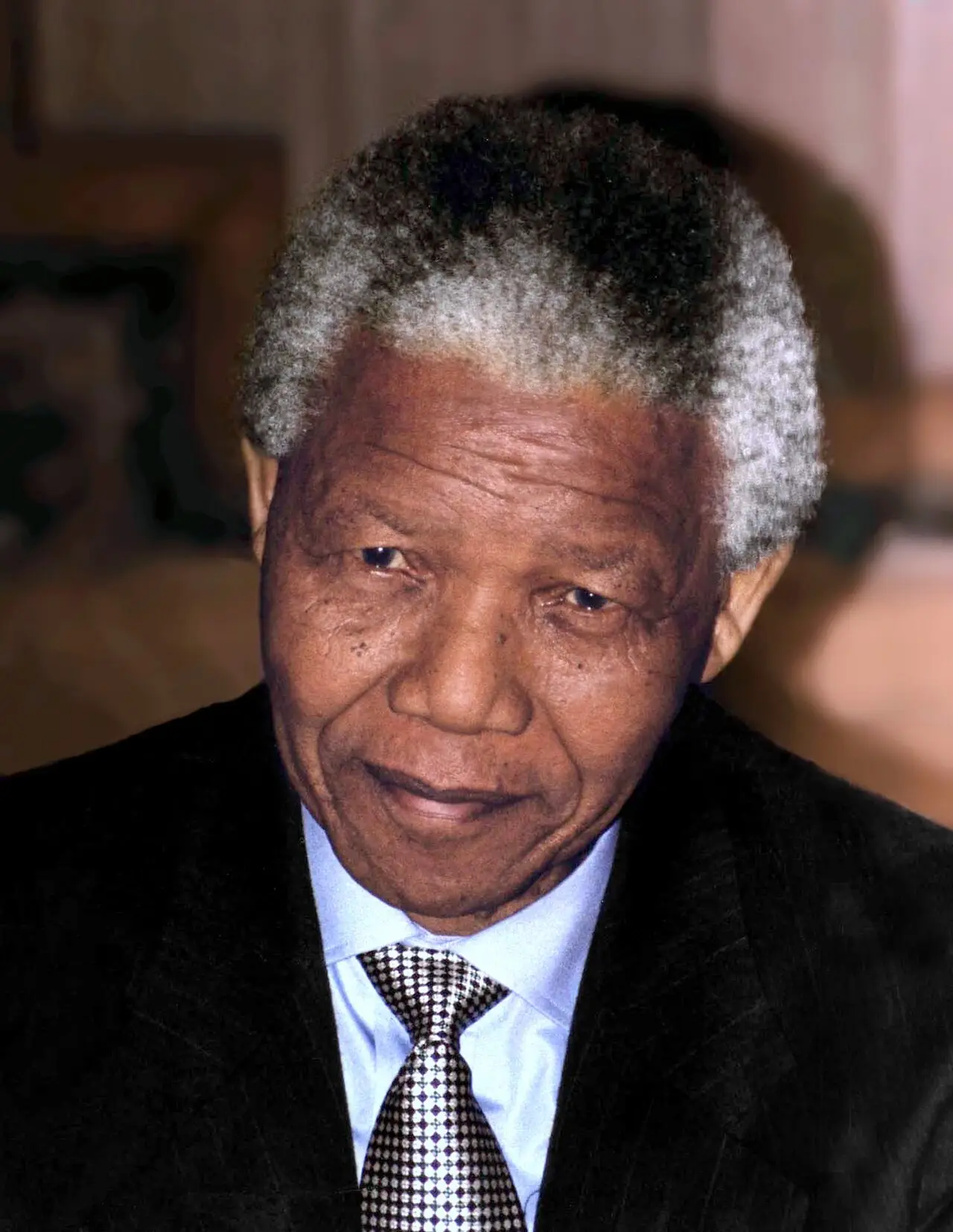
    Nelson Mandela signs South Africa's new constitution

    Mandela put his name to South Africa's new constitution, the founding law of a democratic country after decades of apartheid. It came as his government worked to undo racial segregation and build reconciliation between communities.

    Kingkongphoto & www.celebrity-photos.com from Laurel · CC BY-SA 2.0
  3. 1520

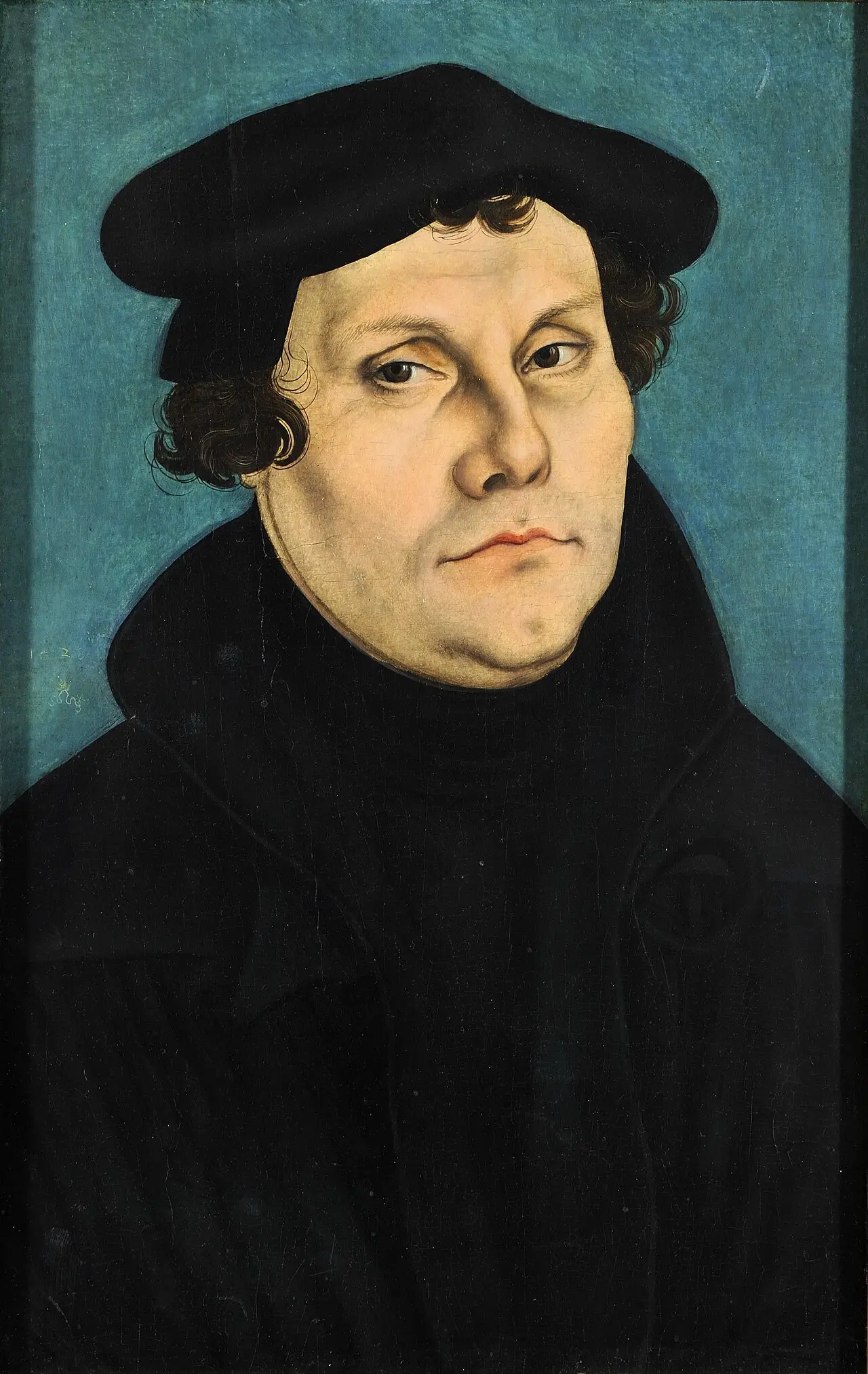
    Martin Luther burns the papal bull Exsurge Domine outside Wittenberg

    Luther publicly burned a papal bull that condemned his writings and demanded he recant. The act was a decisive break with Rome, and it pushed the Reformation toward open confrontation.

    Lucas Cranach the Elder · Public domain
  4. 1817

    Mississippi becomes the 20th US state

    On this day in 1817, Mississippi joined the Union as the twentieth state, carved from the Mississippi Territory. Its admission added another slave state to the Union and helped set the stage for its later role in the American Civil War.

  5. 1948

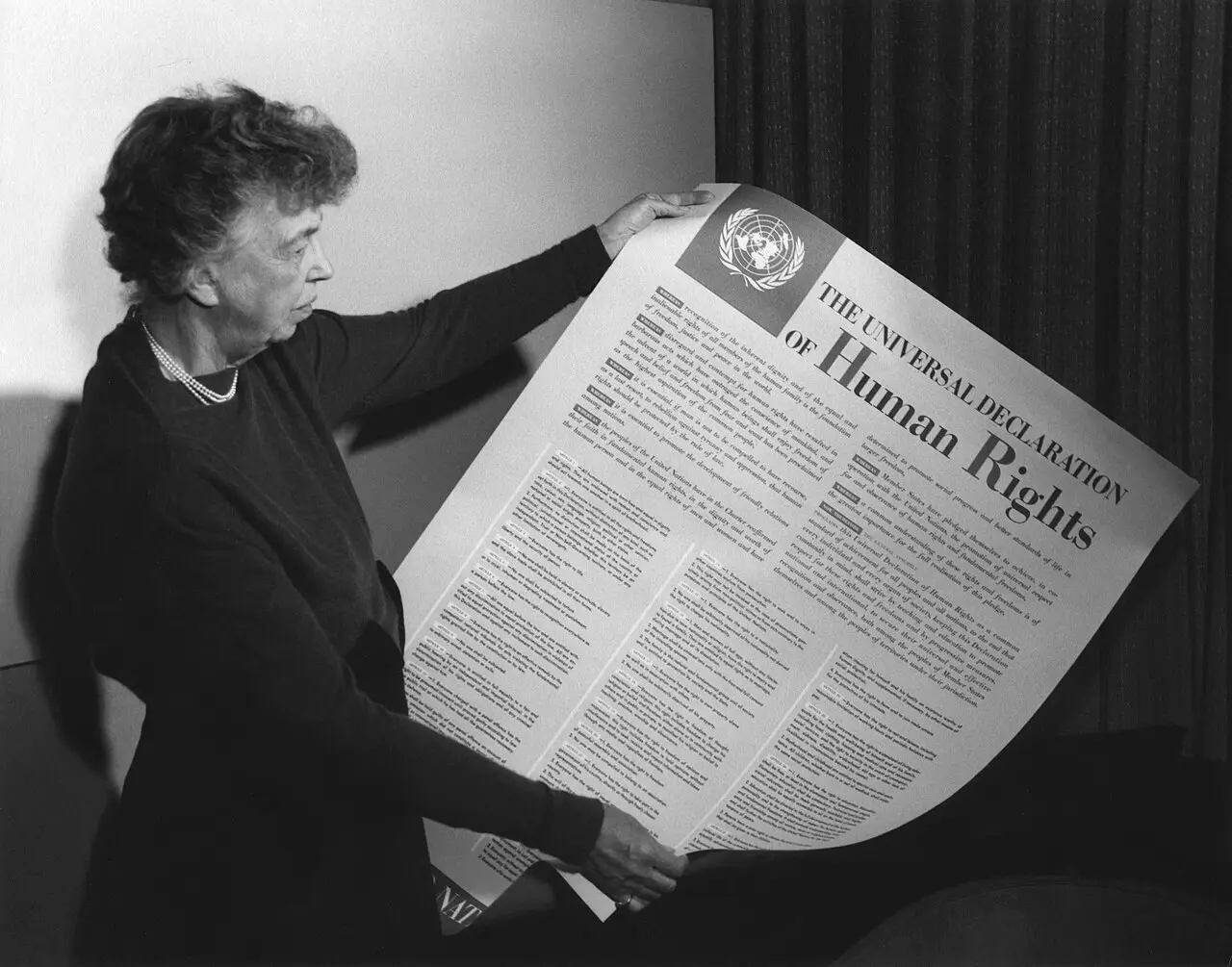
    UN General Assembly adopts the Universal Declaration of Human Rights

    In Paris, the UN General Assembly adopted a 30-article charter setting out rights every person holds regardless of nationality, sex, religion or origin. Drafted under Eleanor Roosevelt's chairmanship, it was not legally binding, but it became the foundation of modern international human rights law.

    FDR Presidential Library & Museum · CC BY 2.0
  6. 1815

    Ada Lovelace, First Computer Programmer

    In the app
  7. 1936

    Edward VIII signs his instrument of abdication

    In the app
  8. 1861

    Confederacy accepts Kentucky as its twelfth state

    In the app

23 more events on December 10

For the full day, download Chunks today. Every date, the stories behind them, and a new day each morning. Free to start.

Born on December 10

61 more in the app
  • Ada Lovelace
    1815 – 1852 · Mathematician

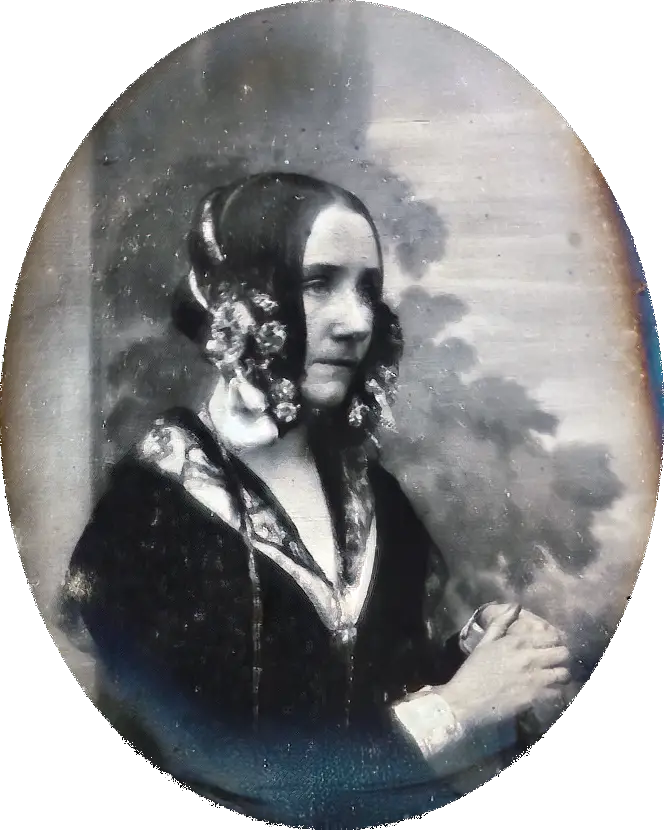
    Ada Lovelace

    Ada Lovelace was an English mathematician who saw that Charles Babbage's proposed analytical engine could do far more than calculate. She is often called the first computer programmer, and her notes on the machine remain a landmark.

    Antoine Claudet · Public domain
  • Emily Dickinson
    1830 – 1886 · Writer

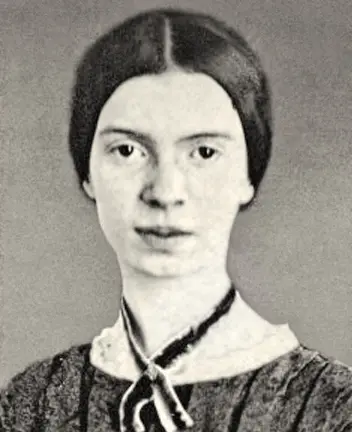
    Emily Dickinson

    Emily Dickinson wrote close to 1,800 poems, yet only ten appeared in print during her lifetime. Her short, sharp lines and off-rhymes, dealing mostly with nature and mortality, went largely unrecognised until after her death.

    Unknown author Unknown author · Public domain
  • Nelly Sachs
    1891 – 1970 · Poet

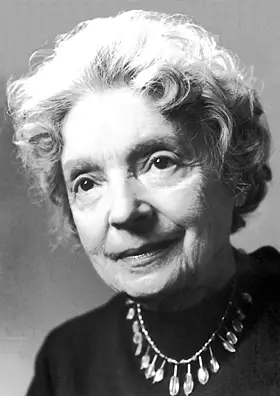
    Nelly Sachs

    Nelly Sachs was a German-Swedish poet and playwright who turned the grief of Jewish suffering under the Nazis into some of the most moving verse of the twentieth century. She fled to Sweden in 1940 and shared the 1966 Nobel Prize in Literature.

    Nobel Foundation · Public domain

Died on December 10

69 more in the app
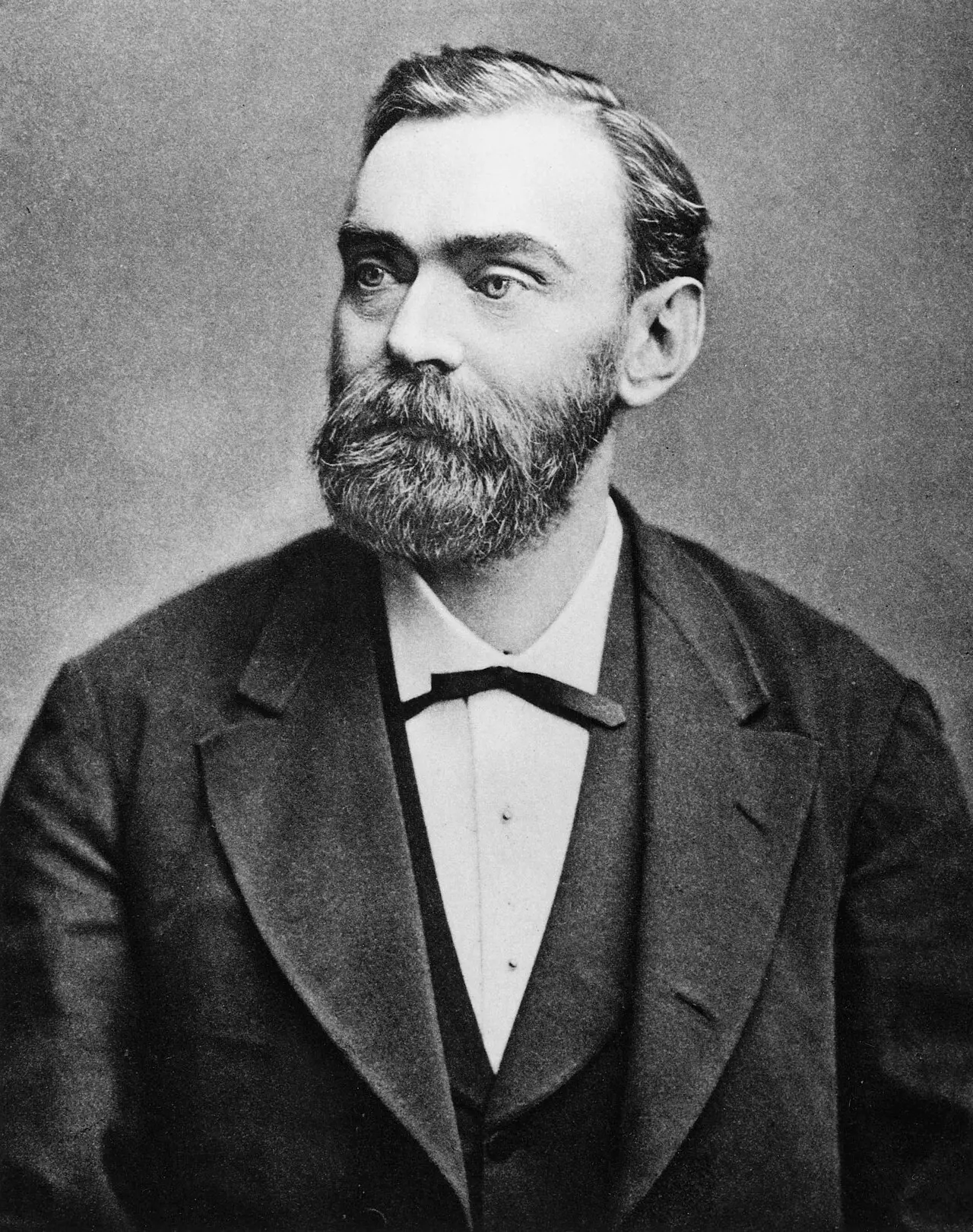
  • Alfred Nobel
    1833 – 1896 · Chemist

    Alfred Nobel

    Swedish chemist and inventor best known for dynamite, who left his fortune to fund the Nobel Prizes. He died in Sanremo, Italy, on this day in 1896.

    Unknown author Unknown author · Public domain
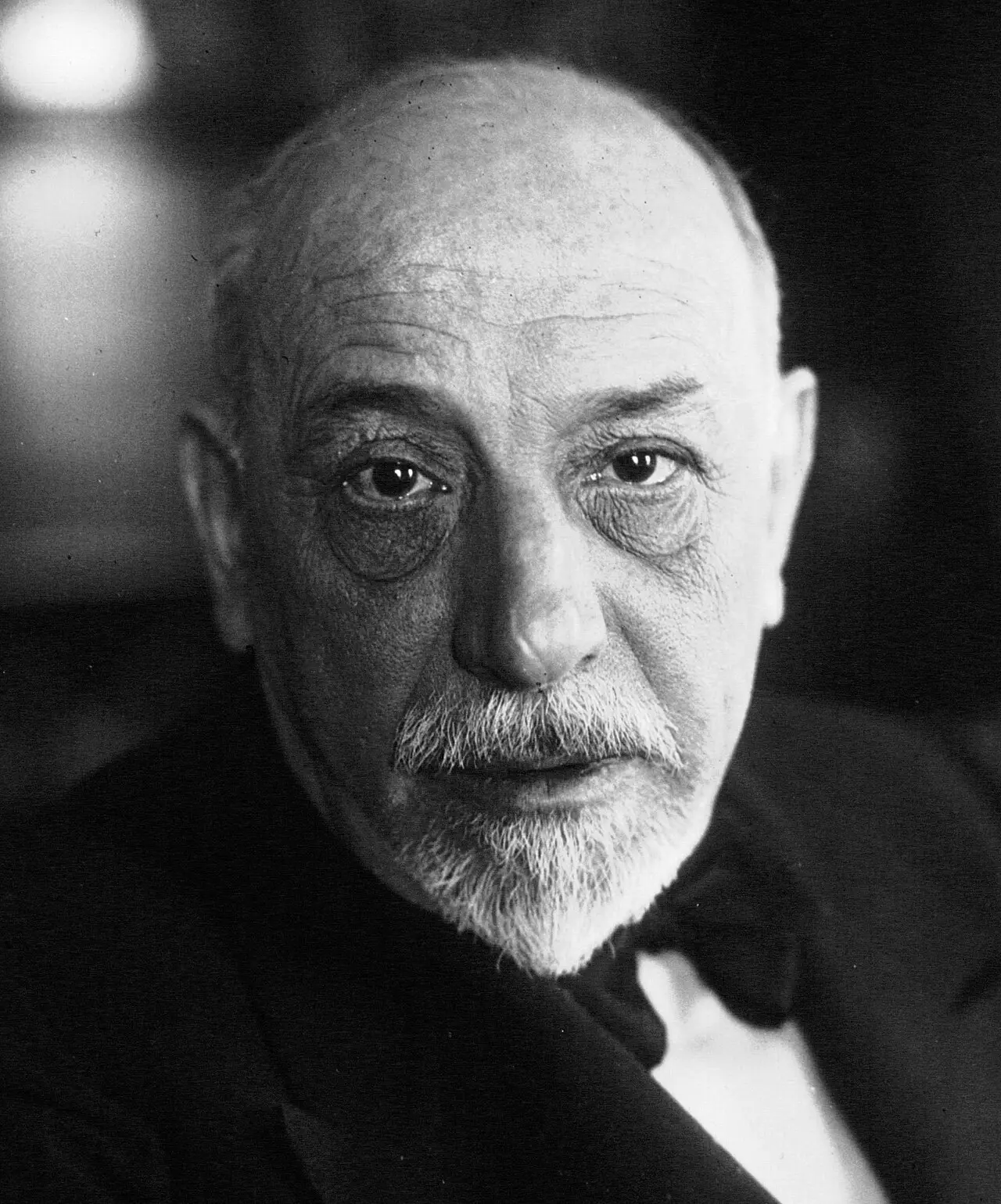
  • Luigi Pirandello
    1867 – 1936 · Playwright

    Luigi Pirandello

    Italian playwright whose experimental plays questioned identity and reality, earning him the 1934 Nobel Prize in Literature. He also wrote novels and hundreds of short stories, several in Sicilian.

    Agence de presse Meurisse · Public domain
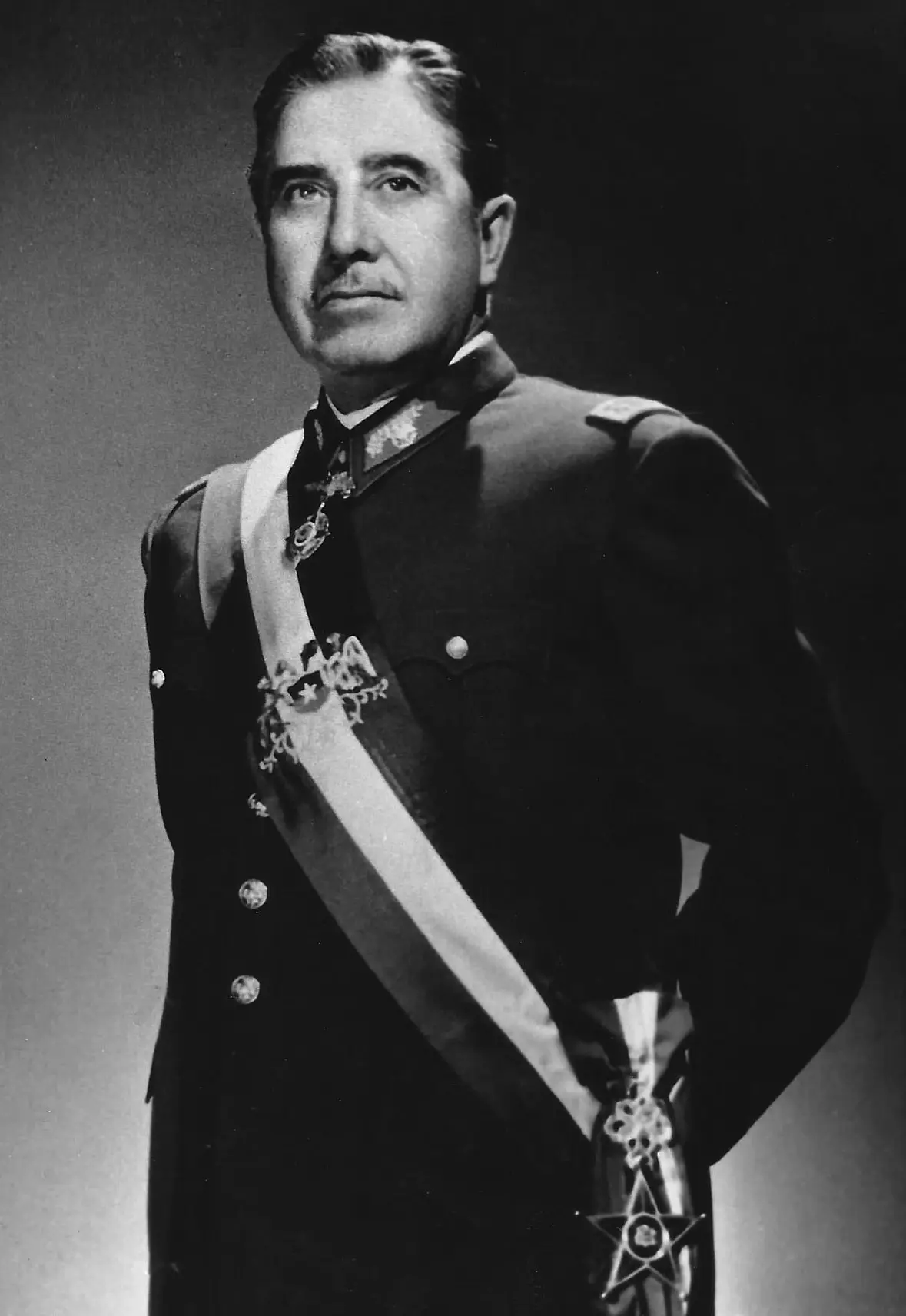
  • Augusto Pinochet
    1915 – 2006 · Military personnel

    Augusto Pinochet

    Chilean army officer who seized power in a 1973 coup and ruled as military dictator until 1990. His regime was marked by widespread torture and political killings, and he is remembered as one of the most brutal leaders in Latin American history.

    Ministerio de Relaciones Exteriores de Chile · CC BY 2.0 cl

Explore another day

Every date of the year has its own page. Try your birthday.