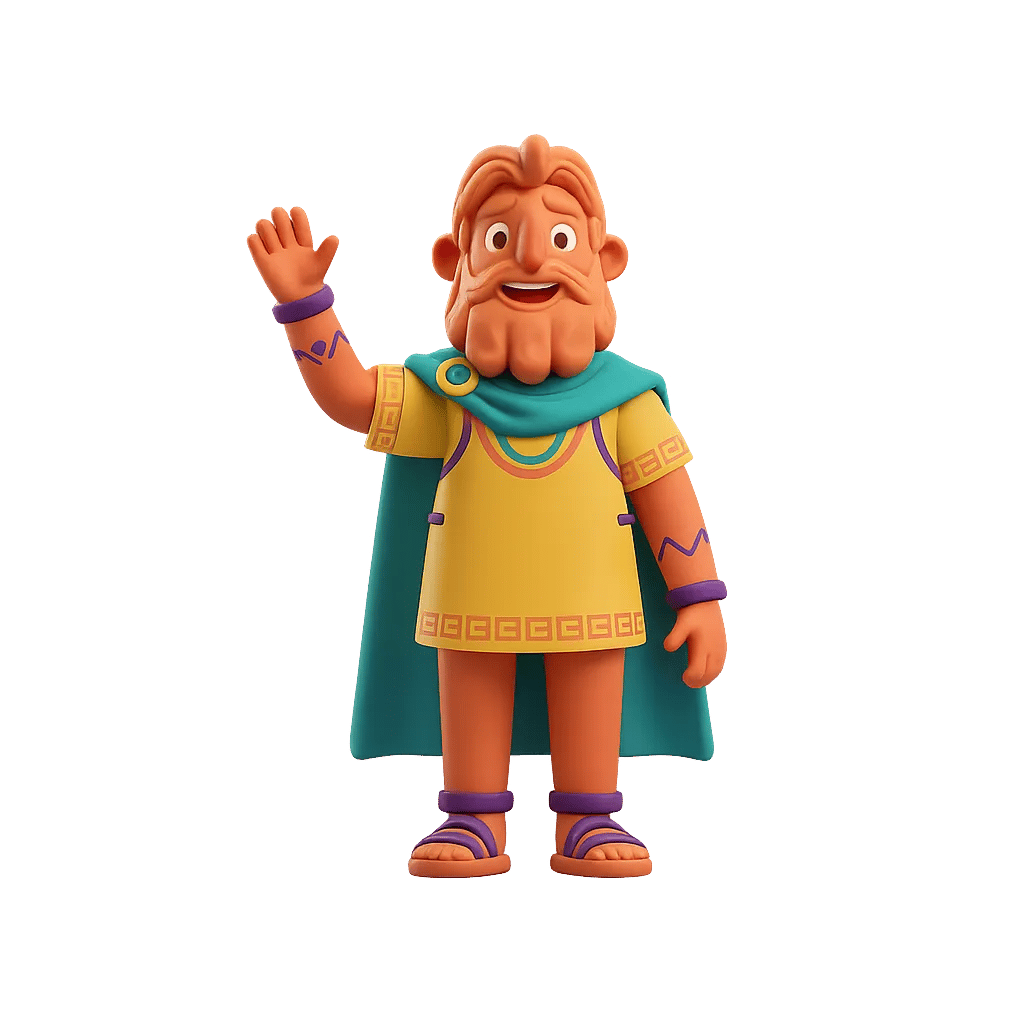
The Golem of Prague: Myth, Legend, and Influence


The Legend of the Golem of Prague
The Golem of Prague is one of the most enduring and fascinating figures in Jewish folklore. It tells the tale of a giant, anthropomorphic creature made of clay, brought to life through mystical means to protect the Jewish community of Prague from persecution. This powerful, silent guardian embodies themes of creation, protection, and the potential dangers of unchecked power.
While the legend has various iterations, the most famous version is associated with Rabbi Judah Loew ben Bezalel, known as the Maharal of Prague, a renowned Talmudic scholar and mystic who lived in the 16th century.
Origin of the Legend
The concept of a golem, a being animated from inanimate matter, has roots in early Jewish mysticism, particularly in the Sefer Yetzirah (Book of Creation). This ancient text describes how to create life using combinations of Hebrew letters. Early golem stories were often parables about the power of language and divine creation, with golems serving as servants or protectors.
However, the specific legend of the Golem of Prague, as we know it today, largely developed in the 19th century. Earlier accounts of Rabbi Loew do not mention a golem. It was through the writings of authors like Jacob Grimm (of the Brothers Grimm fame) and later, popularizers of Jewish folklore, that the story of Rabbi Loew and his Golem became firmly established and widely known.
What Was Its Purpose?
According to the most popular versions of the legend, Rabbi Loew created the Golem, named Josef or Yossele, to defend the Jewish ghetto of Prague from antisemitic attacks and blood libels. During periods of intense persecution, Jewish communities often faced false accusations, leading to violence and expulsions.
The Golem was said to be activated by placing a parchment bearing one of God's holy names (a "shem") or a specific kabbalistic word, often "Emet" (אמת, meaning "truth"), into its mouth or forehead. It would then carry out its duties, typically involving patrolling the ghetto, uncovering plots against the Jews, and sometimes even performing manual labor.
The Golem was powerful and tireless, but it lacked free will and emotion. It was a literal interpretation of its master's commands. This lack of independent thought eventually led to the Golem becoming uncontrollable or dangerous in some narratives, requiring Rabbi Loew to deactivate it by removing the shem or changing "Emet" to "Met" (מת, meaning "death").
How Has It Influenced Culture?
The Golem of Prague has had a profound and lasting influence on literature, film, and popular culture, far beyond its origins in Jewish folklore:
Literature and Film
- Mary Shelley's Frankenstein: Many scholars draw parallels between the Golem and Frankenstein's monster. Both are artificially created beings, brought to life to serve a purpose, but ultimately become uncontrollable and tragic figures.
- Gustav Meyrink's The Golem (1915): This influential novel cemented the Golem's place in modern literature, portraying it as a mysterious, almost supernatural entity haunting the Prague ghetto.
- Early Cinema: The Golem was a popular subject in early German Expressionist cinema, most notably in Paul Wegener's 1920 film The Golem: How He Came into the World, which significantly shaped the visual representation of the creature.
- Modern Fantasy and Sci-Fi: The Golem archetype, of a created being that turns against its master, is a recurring theme in science fiction (robots, AI gone rogue) and fantasy (magical constructs).
Cultural Symbolism
The Golem represents several powerful ideas:
- Protection and Justice: It symbolizes the desperate need for defense against oppression and the yearning for justice in the face of injustice.
- The Dangers of Playing God: The stories often serve as a cautionary tale about the hubris of humans attempting to create life and the potential for such creations to exceed their creators' control.
- The Power of the Word: In Jewish mysticism, the creation of the Golem through sacred letters emphasizes the immense power attributed to language and divine names.
The Golem's story continues to resonate because it taps into universal human fears and desires: the desire for protection, the fear of the unknown, and the ethical dilemmas surrounding creation and control. It's a testament to the enduring power of folklore to explore complex philosophical and social questions.
Discover more fascinating tales from Jewish folklore and history with Chunks. Our story on "The Dybbuk: A Possessing Spirit" offers another glimpse into the rich tapestry of ancient legends. Download the Chunks app today and immerse yourself in captivating historical narratives at https://chunks.app.

Founder of Chunks Microlearning. Software engineer with 15 years of experience.
 Download on iOS
 Download on Android