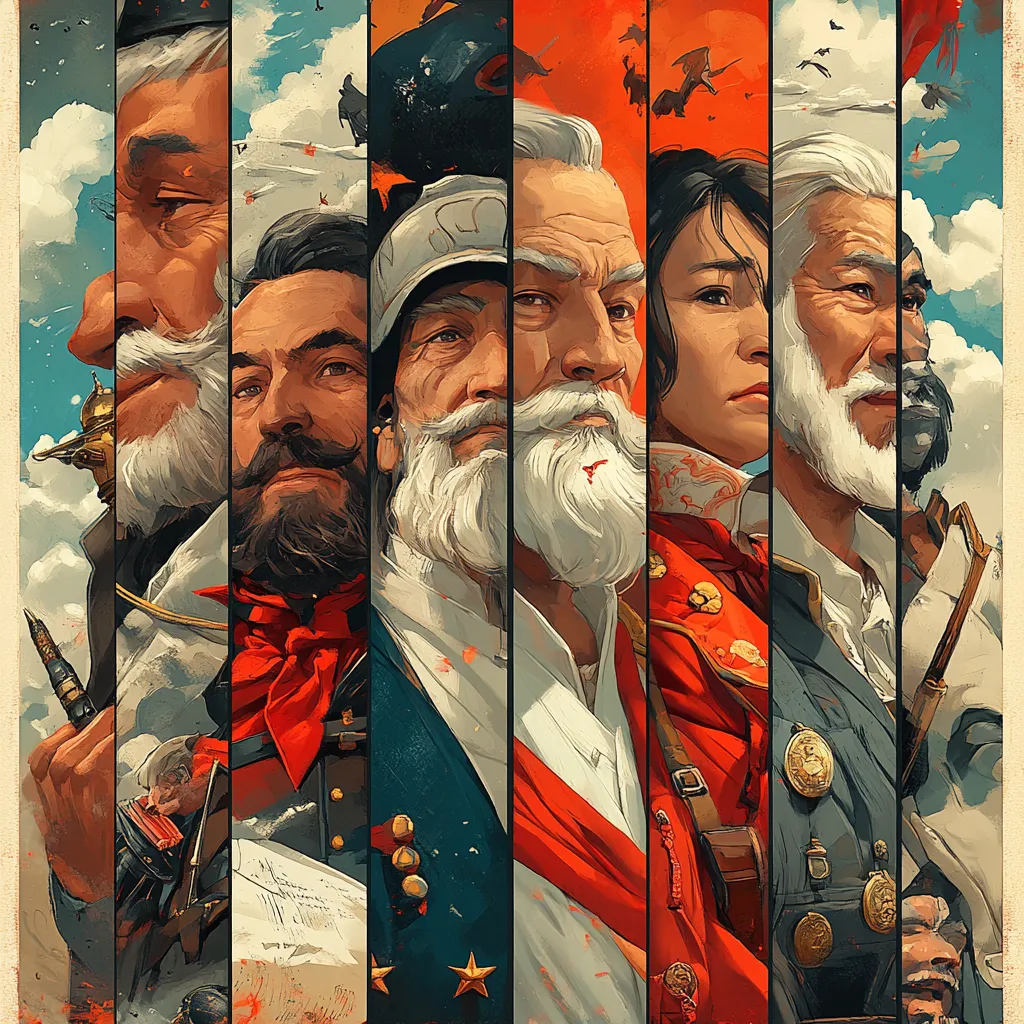
What is Chunks Microlearning?
 Andy Shephard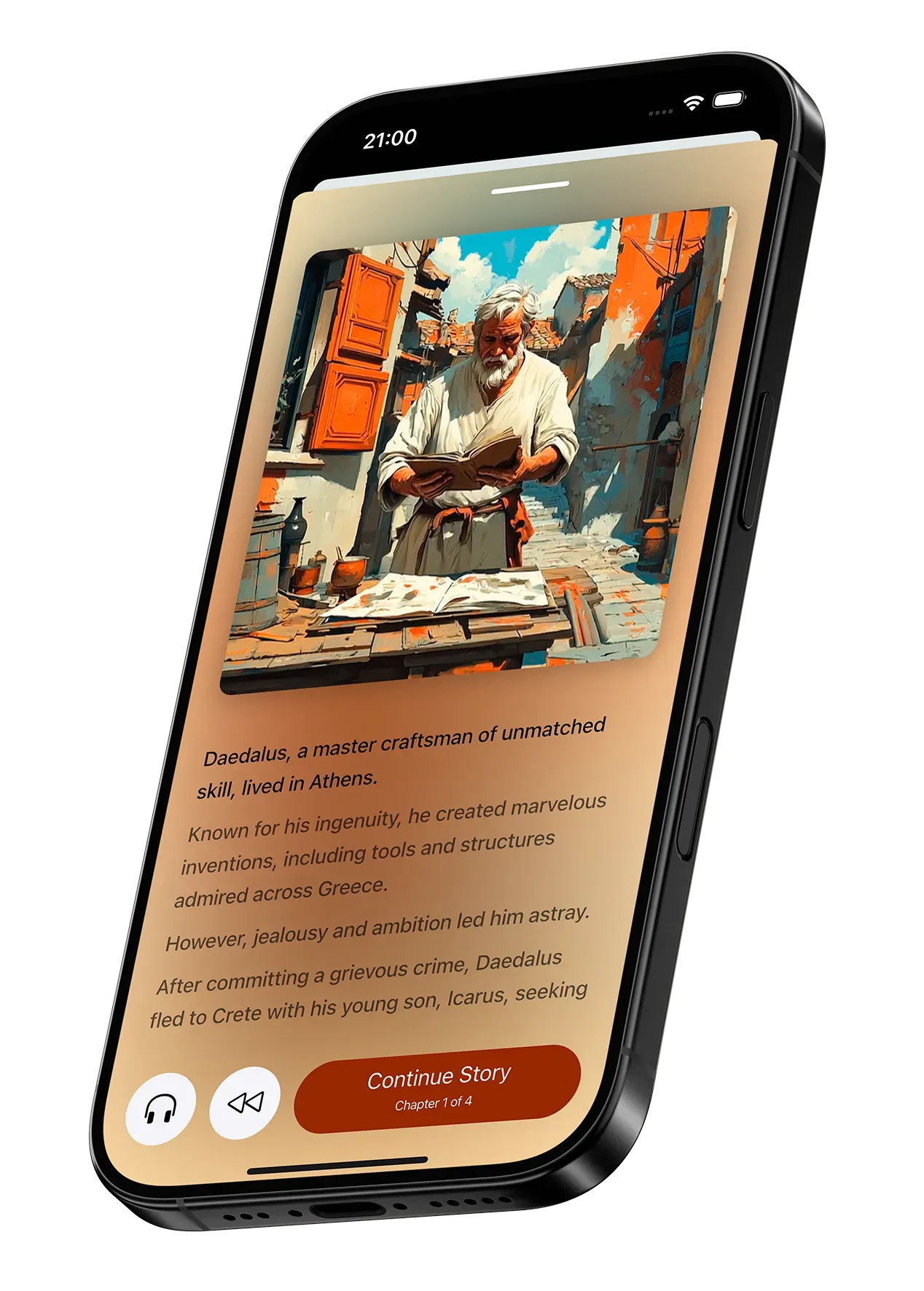
Chunks Microlearning is a mobile app that breaks complex topics into bite-sized chapters you can finish in minutes. Think of it as a library of short, well-researched stories covering history, philosophy, science, literature, art, music, nature, health, and more.
I (Andy) created Chunks because I had a problem: I was spending too much time doomscrolling. Most evenings I'd open Instagram or TikTok for "a few minutes" and somehow lose an hour — without really enjoying it or learning anything. I wanted an app that could fill those 5-10 minute gaps in my day with something genuinely interesting instead.
How it works
Each topic in Chunks is broken down into a series of short chapters. A typical story takes about 5-10 minutes to read — short enough to finish on a commute or while waiting in line, but long enough to actually teach you something new.
Stories also include audio narration, so you can listen while you read or switch to audio-only if you prefer. Every story is personally researched and reviewed by me before it goes live. I use AI as a drafting tool to help with structure, but fact-checking, editing, and quality control are all done manually.
What makes Chunks different
There are other microlearning apps out there — Paladin, Yuno, and Nibble to name a few. I tried several of them before building Chunks, and while some had promise, they felt shallow in ways that didn't work for me. Some relied too heavily on quizzes and gamification. Others had content that read like it was generated and published without much review.
What I wanted was something closer to reading a well-written magazine article — something that tells a real story with real depth, but doesn't demand an hour of your time. That's what I've tried to build with Chunks.
What topics does Chunks cover?
The content library is always growing, but currently covers:
- History — The California Gold Rush, the Harlem Hellfighters, the Titanic, the Christmas Truce of 1914, and more
- Philosophy — Stoicism, existentialism, the great thinkers and their ideas
- Science — How everyday things work, space, the human body
- Literature — Classic works and the stories behind them
- Art & Music — Movements, masterpieces, and the people who created them
- Mythology — Greek myths, Norse mythology, and ancient legends
- Nature & Health — The natural world and practical health topics
Pricing
Chunks is free to download on both iOS and Android. Some stories are free to access, and a subscription or lifetime purchase unlocks the full library. If you can't afford a subscription but want access, email me at hello@chunks.app — I'm happy to help.
What's next
This blog will serve as a place to announce new content, features, and changes to the app as it develops. I'm actively adding new stories every week and building features based on user feedback.
If you have questions, content suggestions, or feedback, you can reach me at hello@chunks.app.
Thanks,
Andy.

Andy Shephard
Founder of Chunks Microlearning. Software engineer with 15 years of experience.
LinkedIn →


 Download on iOS
 Download on Android